Research & Studies
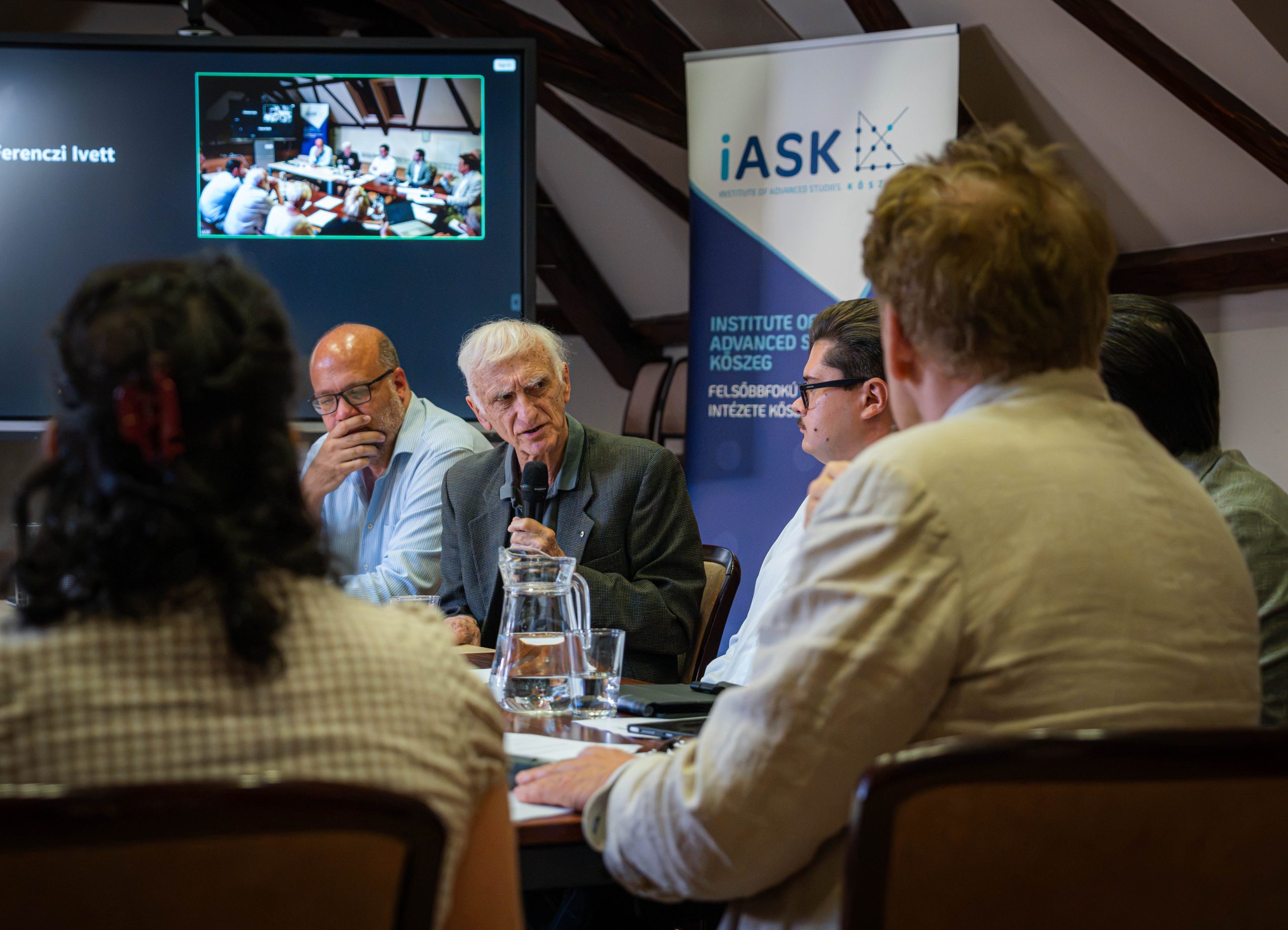
How can Central Europe navigate a world shaped by geopolitical uncertainty, climate and economic disruption, energy dependence, rapid technological change and the growing militarisation of Europe? These questions are at the heart of the iASK Summer Seminar: European Perspectives on Global Transformation, taking place on 24–25 August 2026 at the Institute of Advanced Studies Kőszeg (iASK).
The two-day seminar was initiated by participants and students of iASK’s 31st International Summer University as a follow-up opportunity to continue conversations that began during the summer programme. Bringing together researchers, academics, students and experts from different disciplines, the seminar examined some of the most pressing and interconnected challenges facing Europe and the wider world.
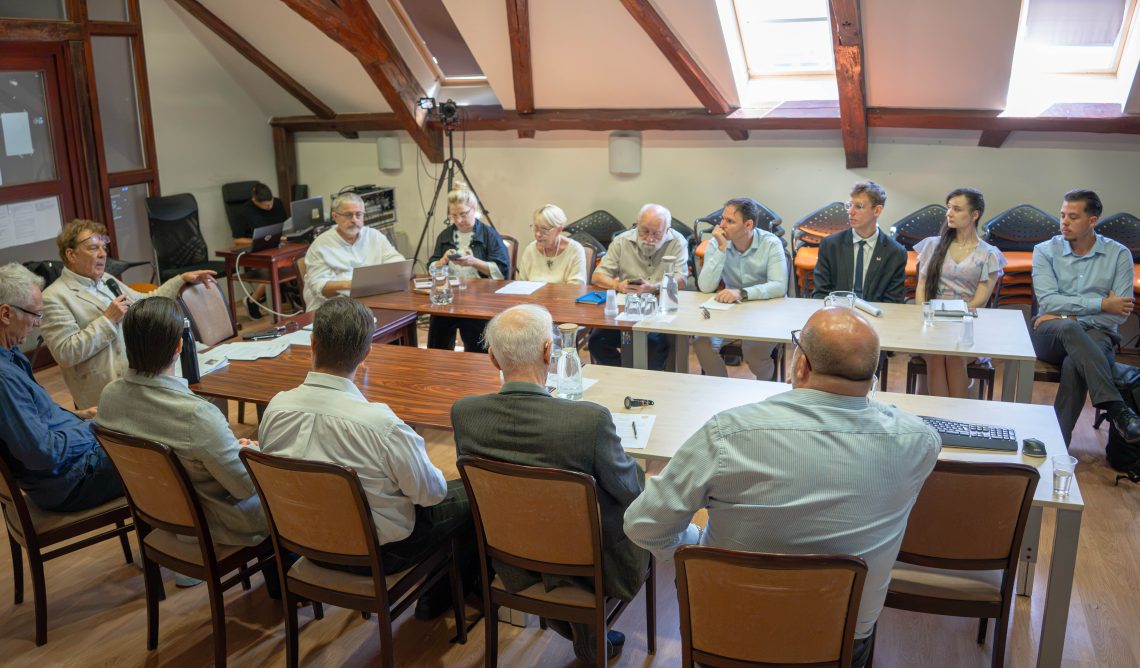
Rather than treating these developments as isolated phenomena, the program approaches them as deeply intertwined processes. Historical traumas and identities in East and Central Europe intersect with questions of security and defence; Europe’s energy and raw-material dependencies are connected to geopolitical vulnerability; while technological progress and artificial intelligence raise both new opportunities and fundamental ethical questions.
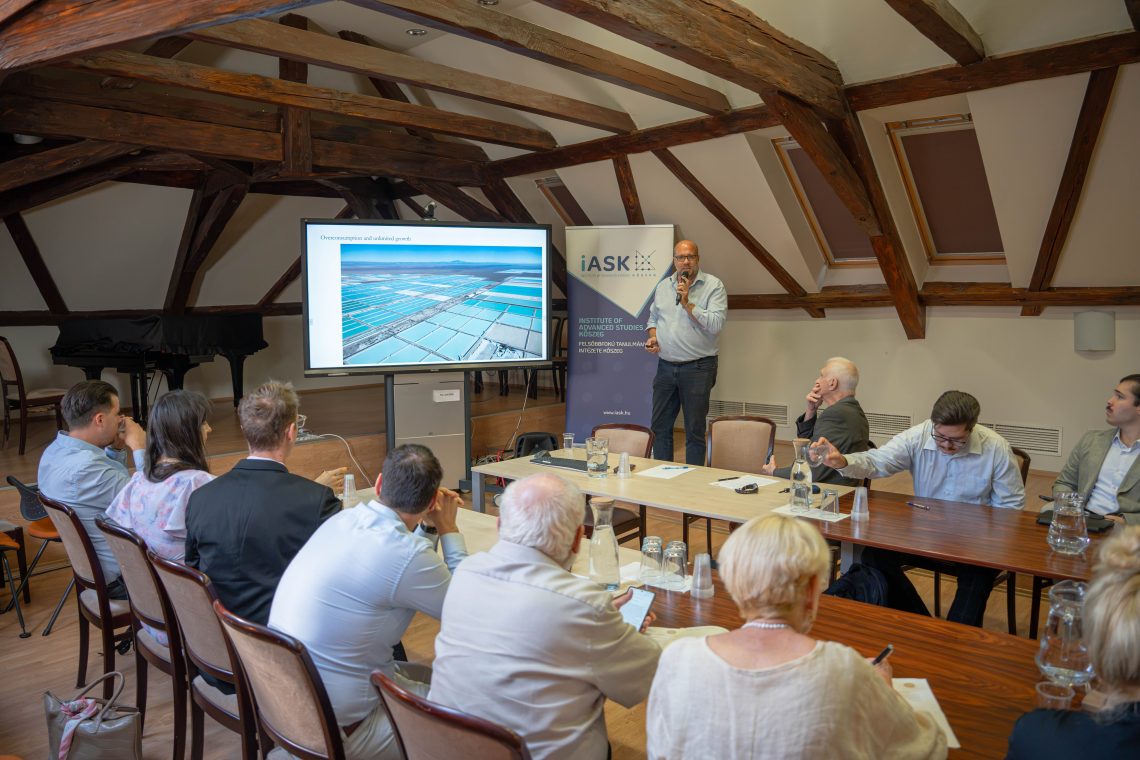
The first day opened with a keynote by Ferenc Jordán of the Institute of Biological Research, who presented “Socio-ecological adaptation to the unpredictable.” His contribution explored how societies and ecosystems respond to uncertainty and changing conditions.
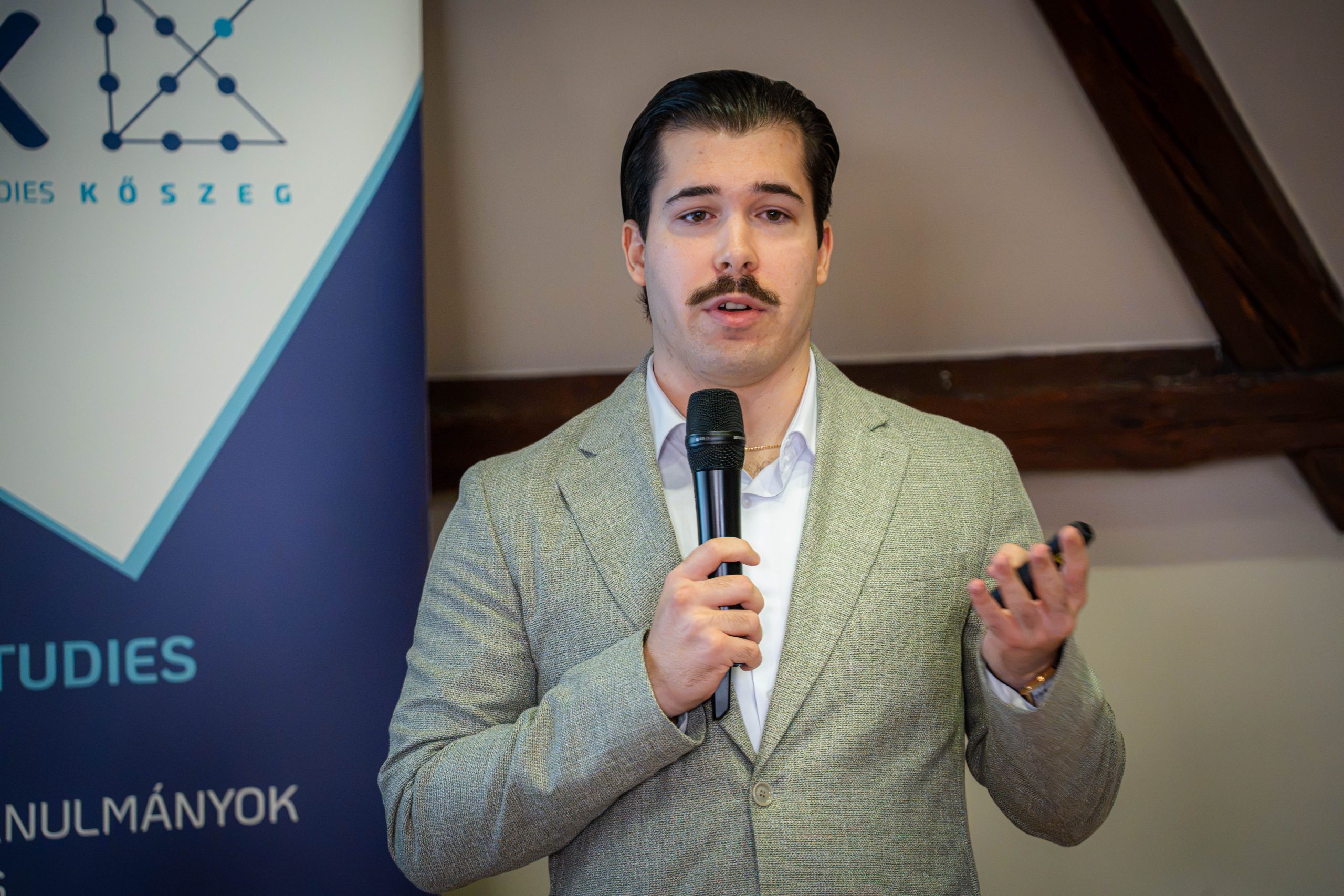
The morning session continued with Tom Beer, who addressed “Risk management under uncertainty,” followed by a student, Hunor Mohácsi, who examined EU energy dependence, shortages of critical raw materials, reliance on imports and the bilateral agreements shaping Europe’s energy security.
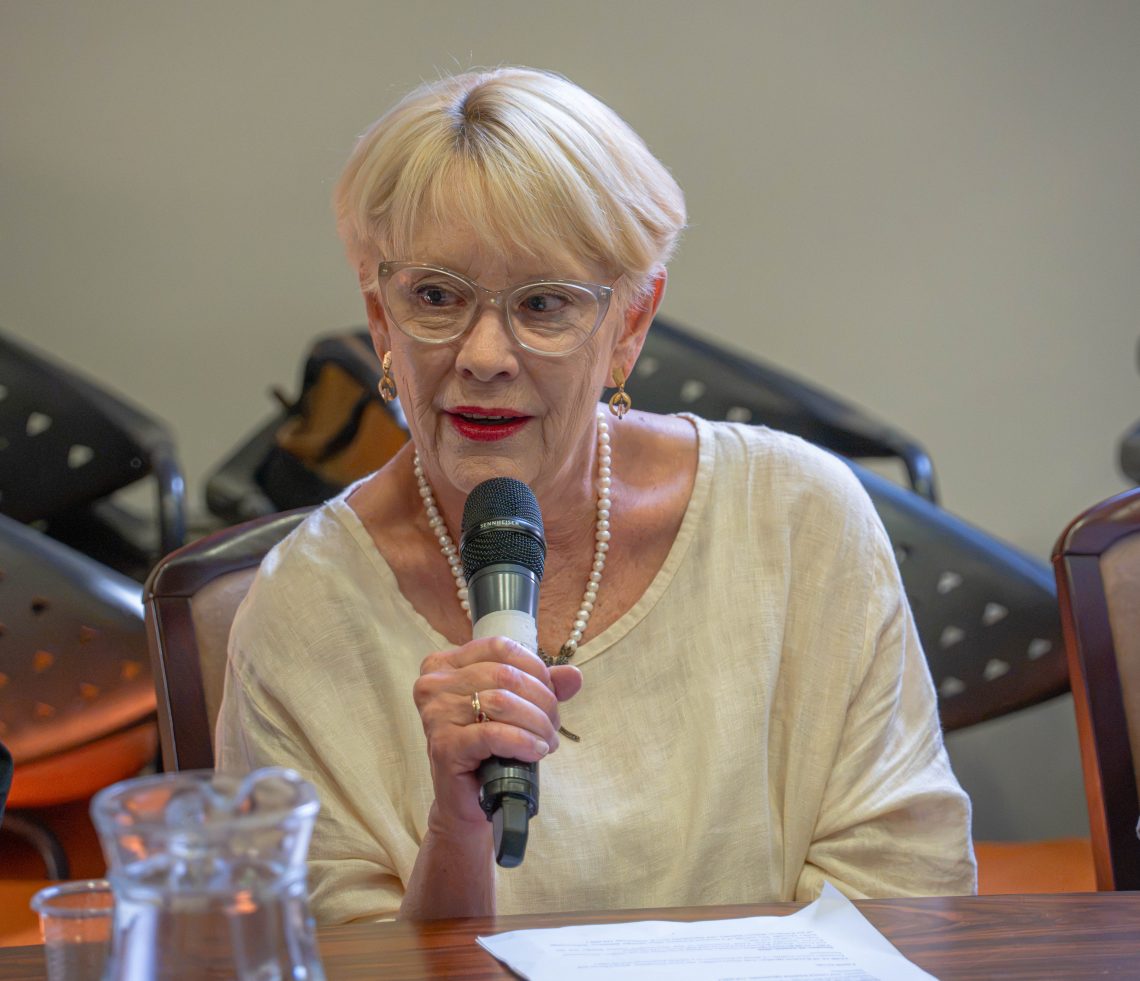
The afternoon session turned to the intersection of climate and economic disruption. Jody Jensen of iASK delivered the keynote “The Great Disruption: When Climate and Economic Crises Collide—A World of Resistance or a Global Awakening?” The presentation opened a broader discussion about whether converging global crises could deepen social and political resistance or instead create momentum for a wider global awakening and transformation.
Europe between hard and soft power
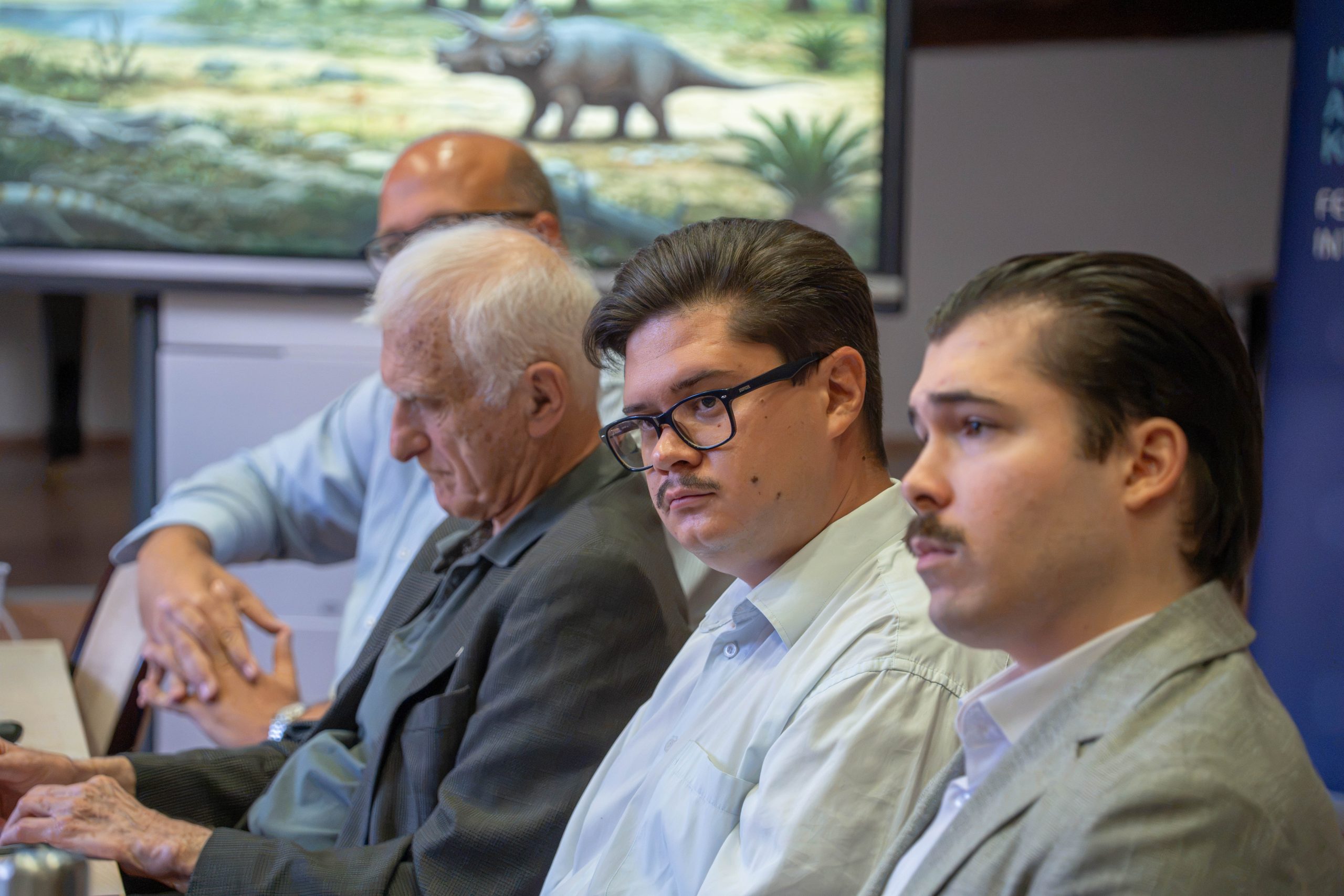
The second day shifted the focus towards Europe’s geopolitical position and its changing understanding of power.
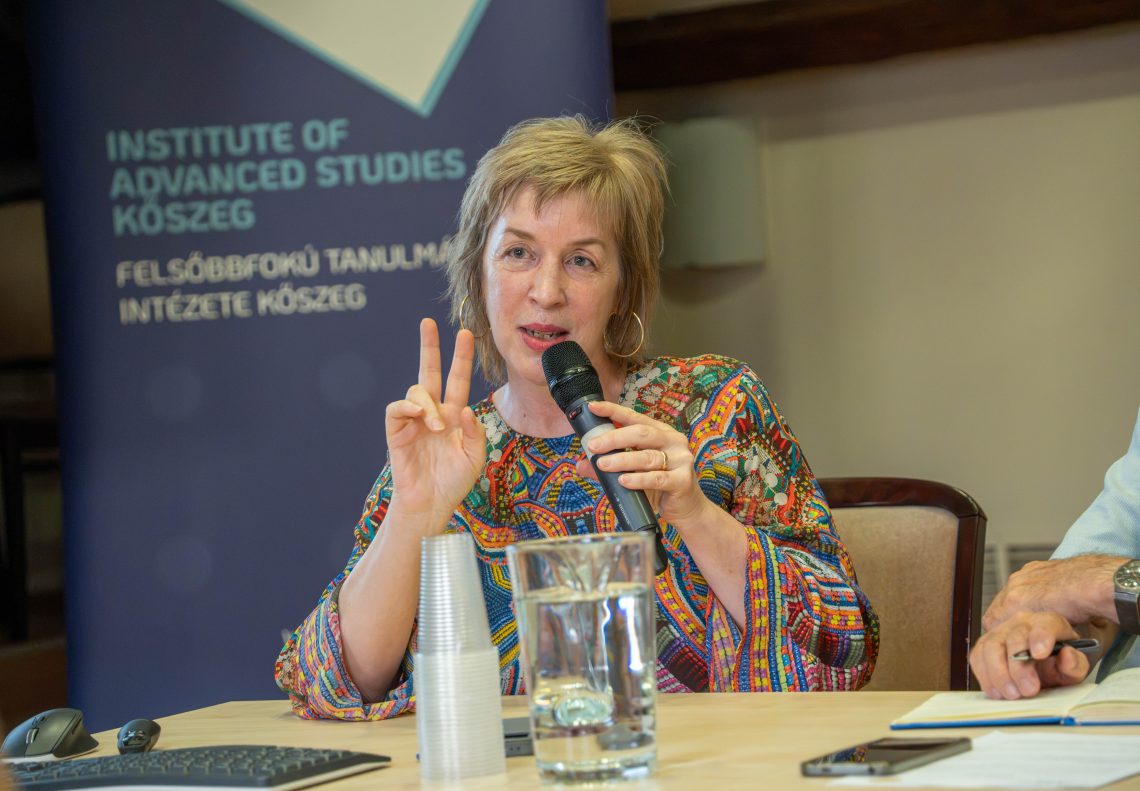
Veronika Wittmann from the University of Linz opened the day with “Development and Peace: Europe Between Hard Power and Soft Power.” Her keynote was followed by student contributions that placed Europe’s current strategic challenges in a broader historical and regional context.
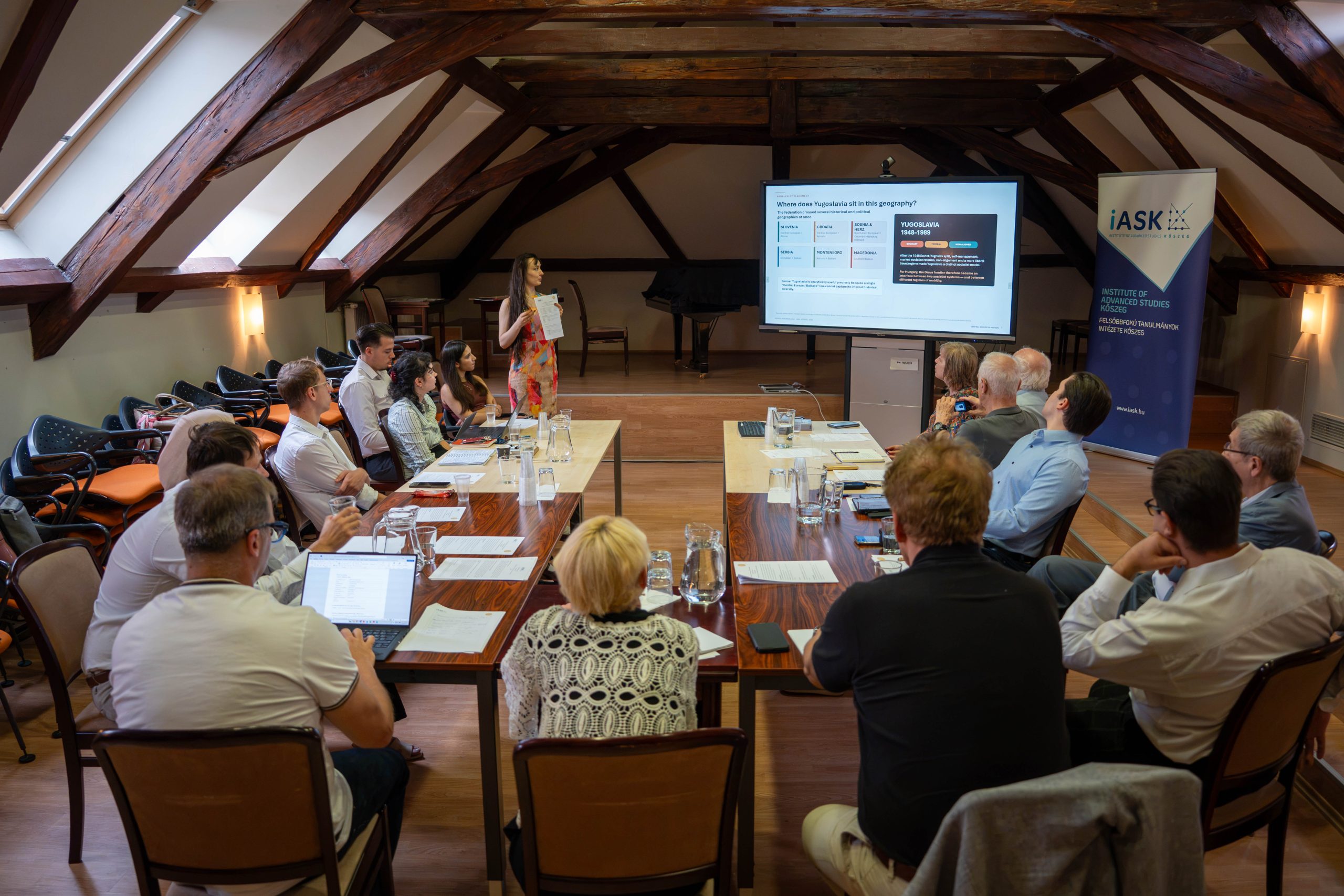
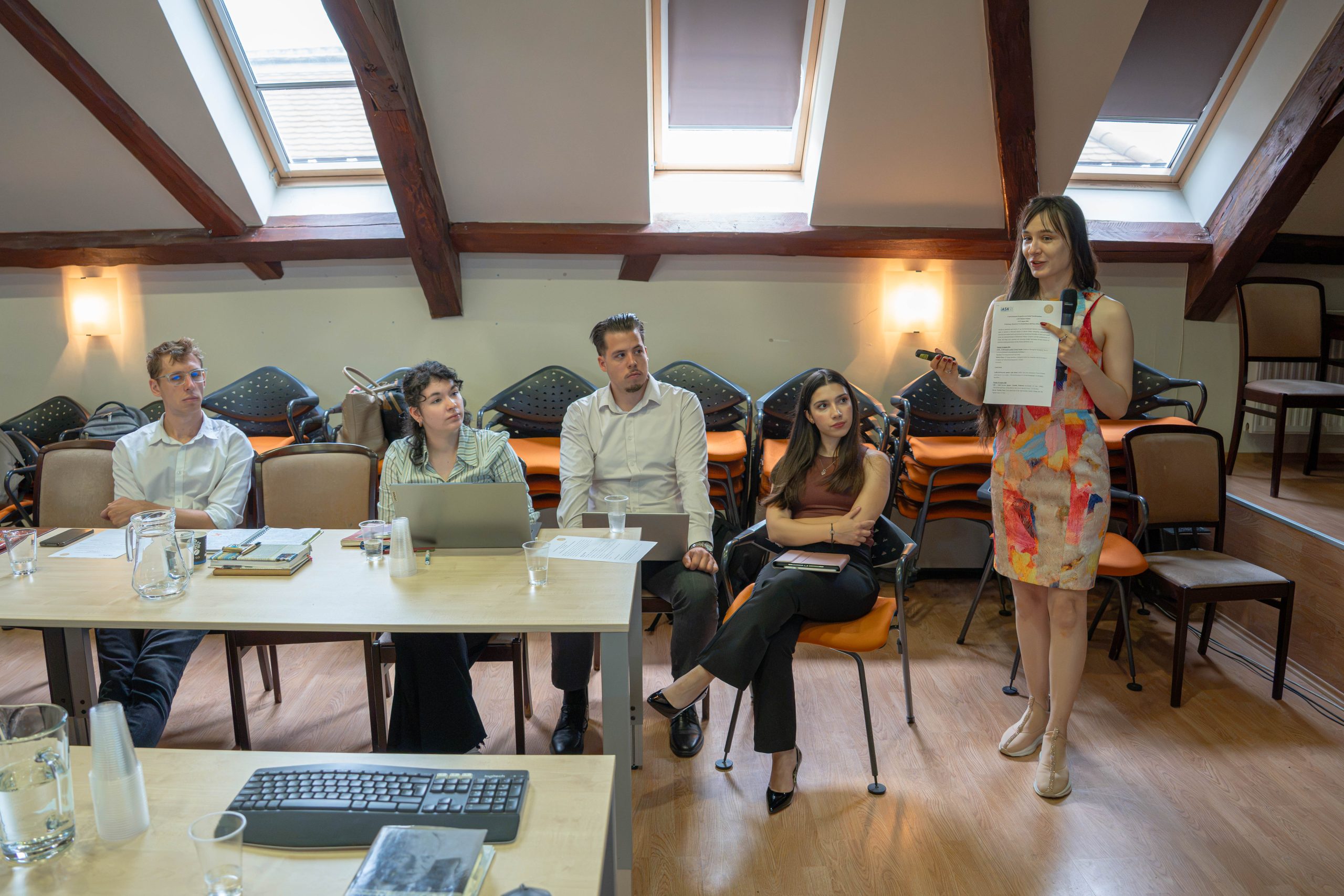
Veronika Luca Kovács explored local connections in late state-socialist Central Europe and the Yugoslav region, focusing on regional cooperation, historical experiences and political coping strategies.
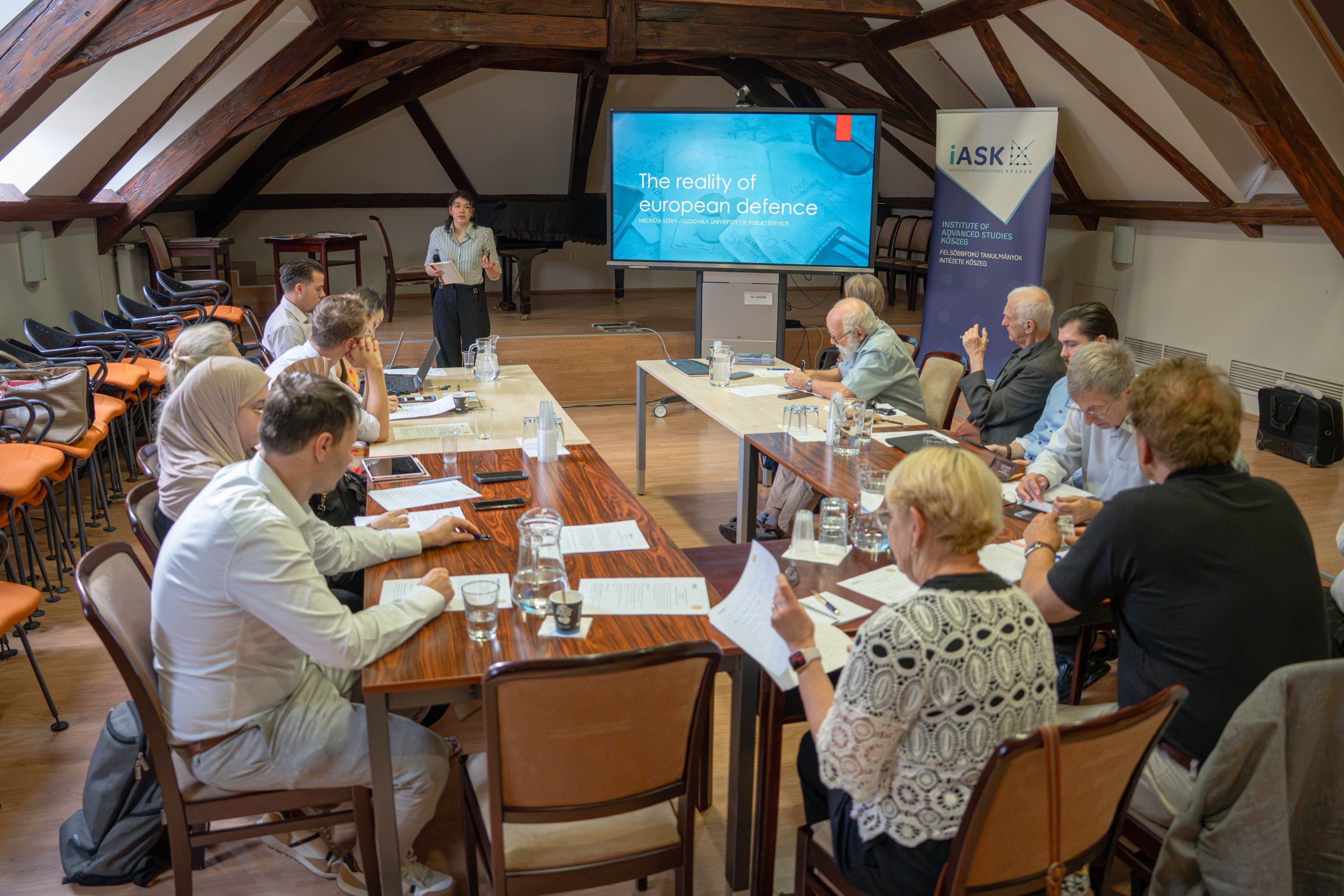
Melinda Széky examined the concept of a common European army, strategic autonomy, the shortcomings of the European defence industry and Europe’s dependence on US technology.
Together, the presentations provided a multifaceted discussion of Europe’s security environment and raised important questions about what strategic autonomy could mean for the European Union in an increasingly complex international system.
AI, education and the future of society
The final thematic block focused on one of the most transformative forces of our time: artificial intelligence.
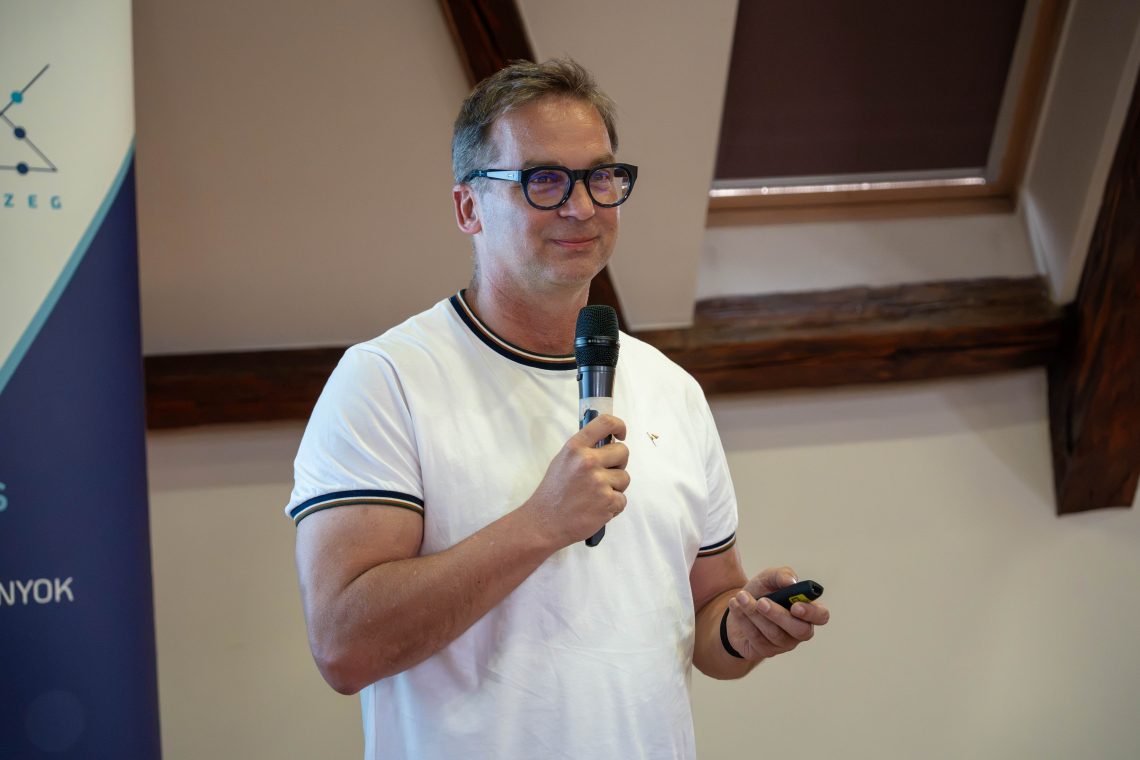
Balázs Barta of the Pannon Business Network and iASK delivered the keynote “Ethical considerations of AI in social applications – through the example of human-robot interface.” His presentation examined the ethical questions emerging as increasingly sophisticated technologies become integrated into human and social environments.
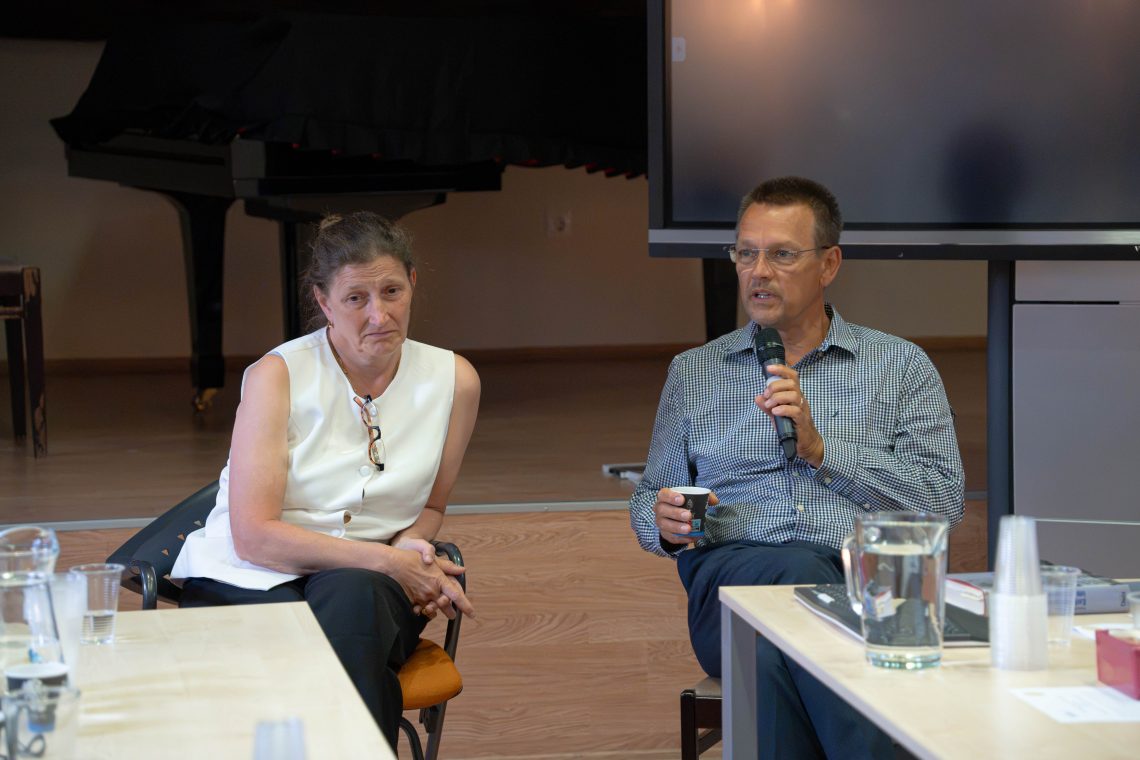
The program continued with Zsuzsa Márka and Szabolcs Márka from Columbia University, who engaged in a conversation entitled “Education or Mentoring? Academia in the Future of AI.” Their discussion considered how higher education and academic knowledge-sharing might evolve as artificial intelligence increasingly transforms the ways in which knowledge is created, accessed and transferred.
Feyrouz Ahlam Saidi from iASK also contributed to the discussion with a presentation on “Small Towns and Regional Development: Challenges, Opportunities and Strategies,” bringing the seminar’s broader global themes back to the challenges and opportunities facing local communities and regions.
Giving students a platform
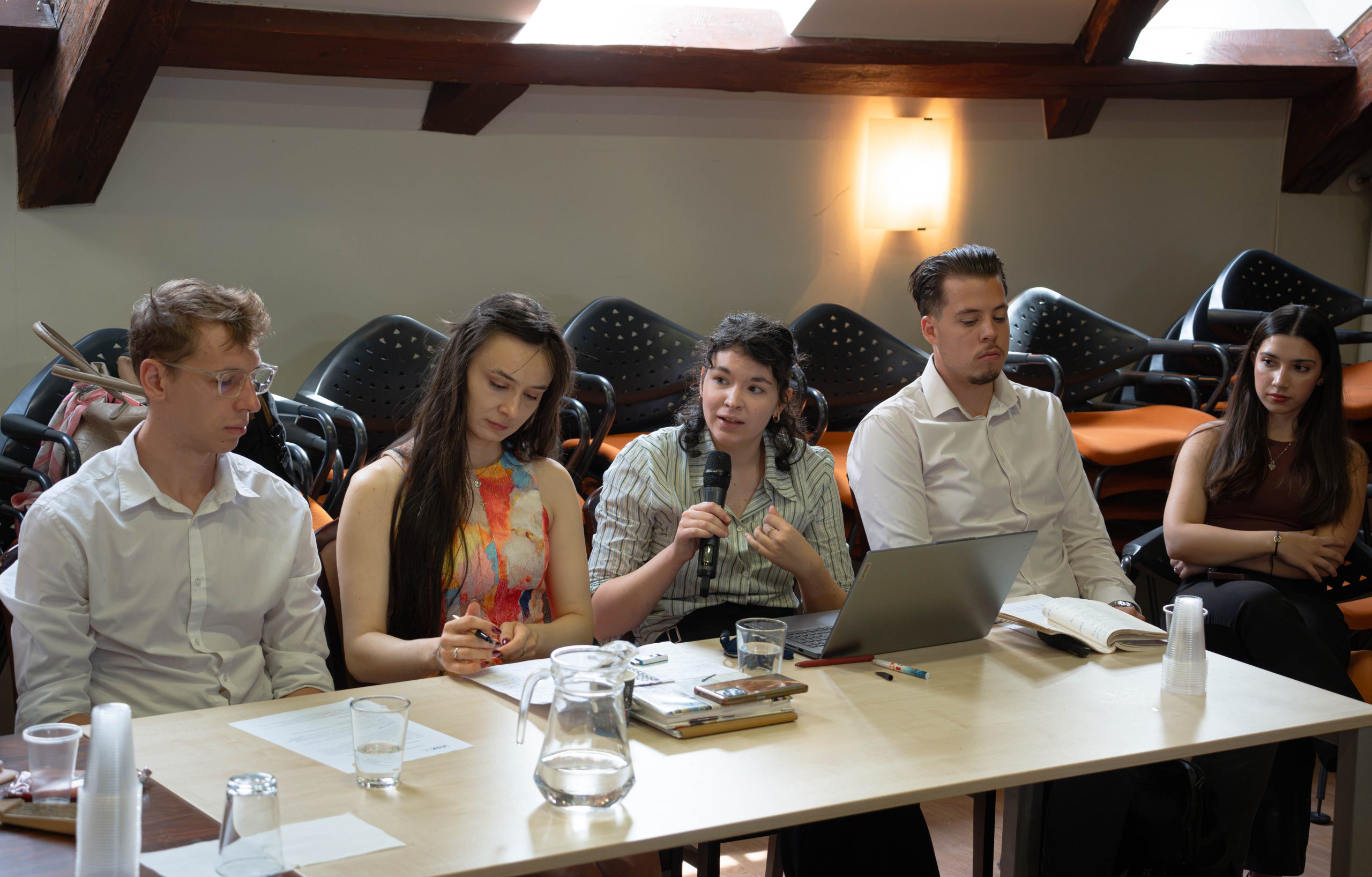
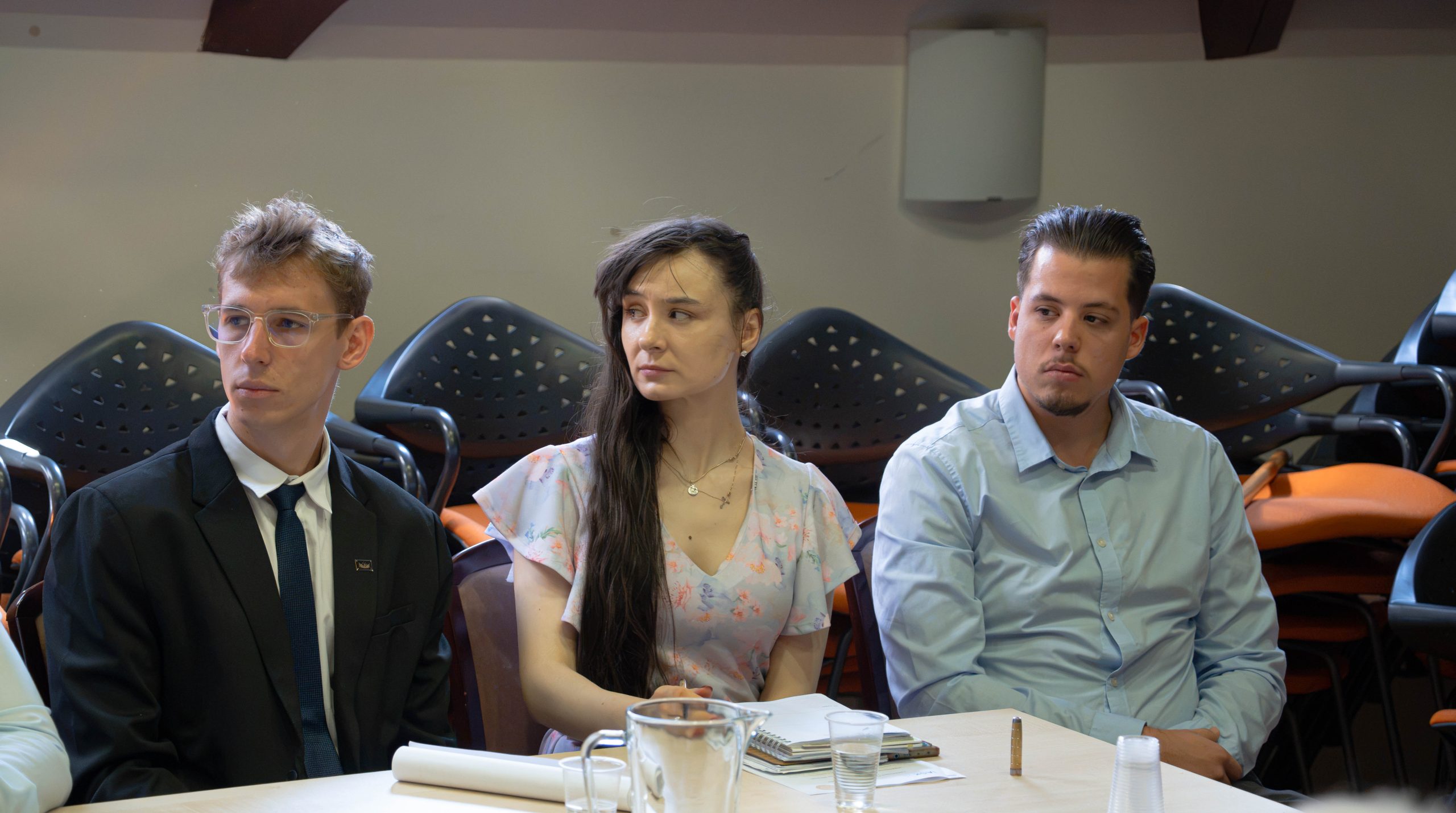
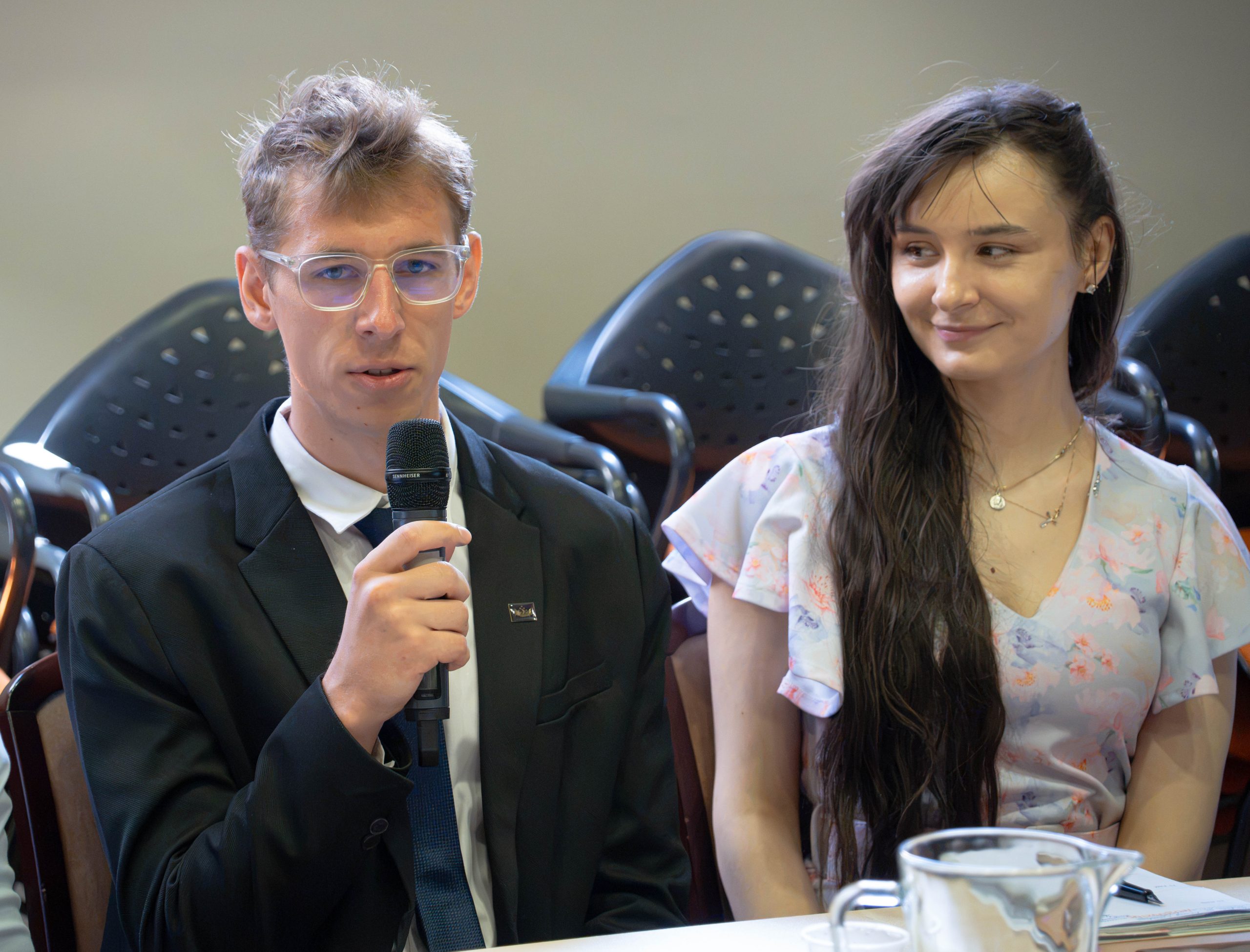
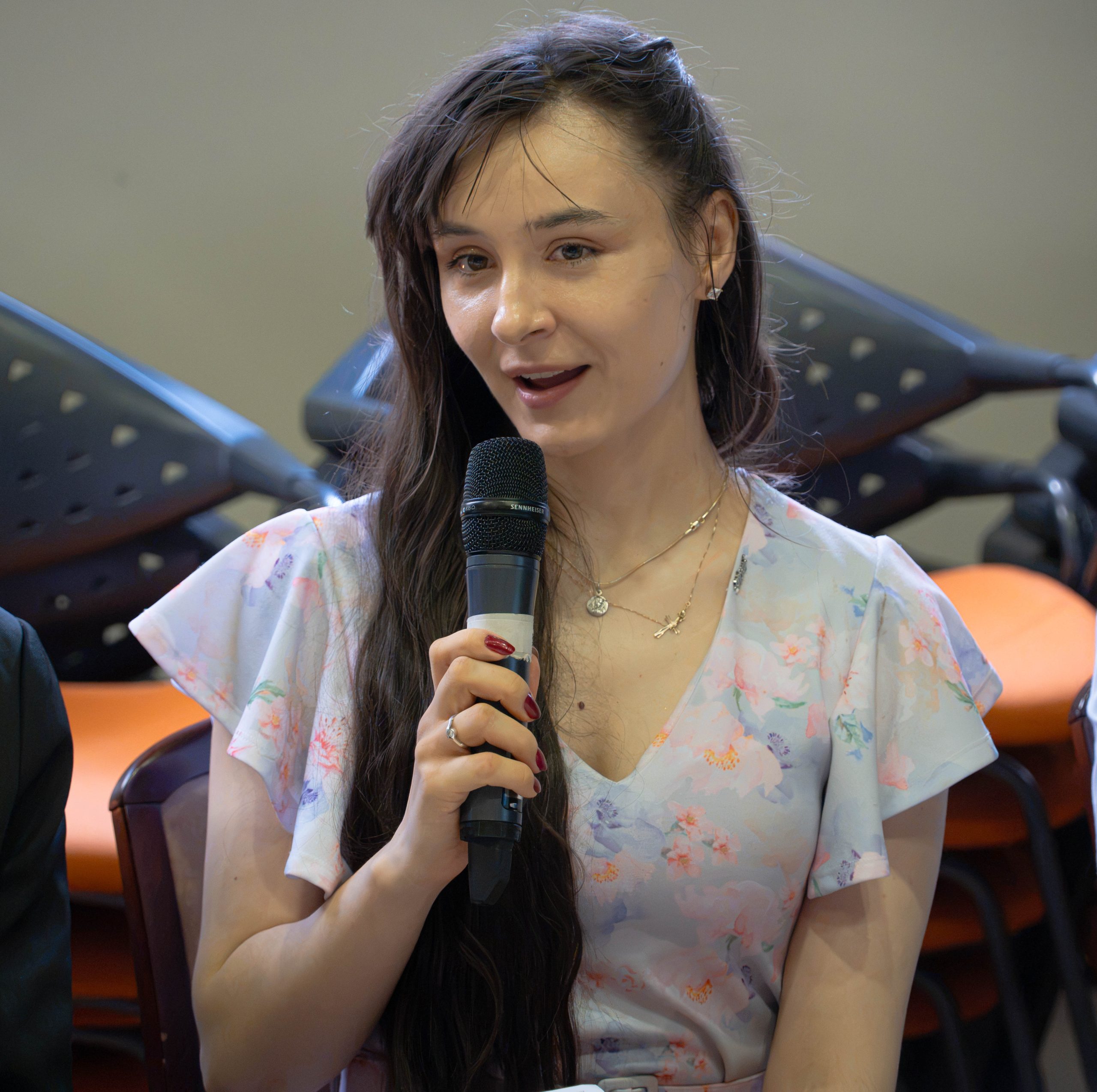
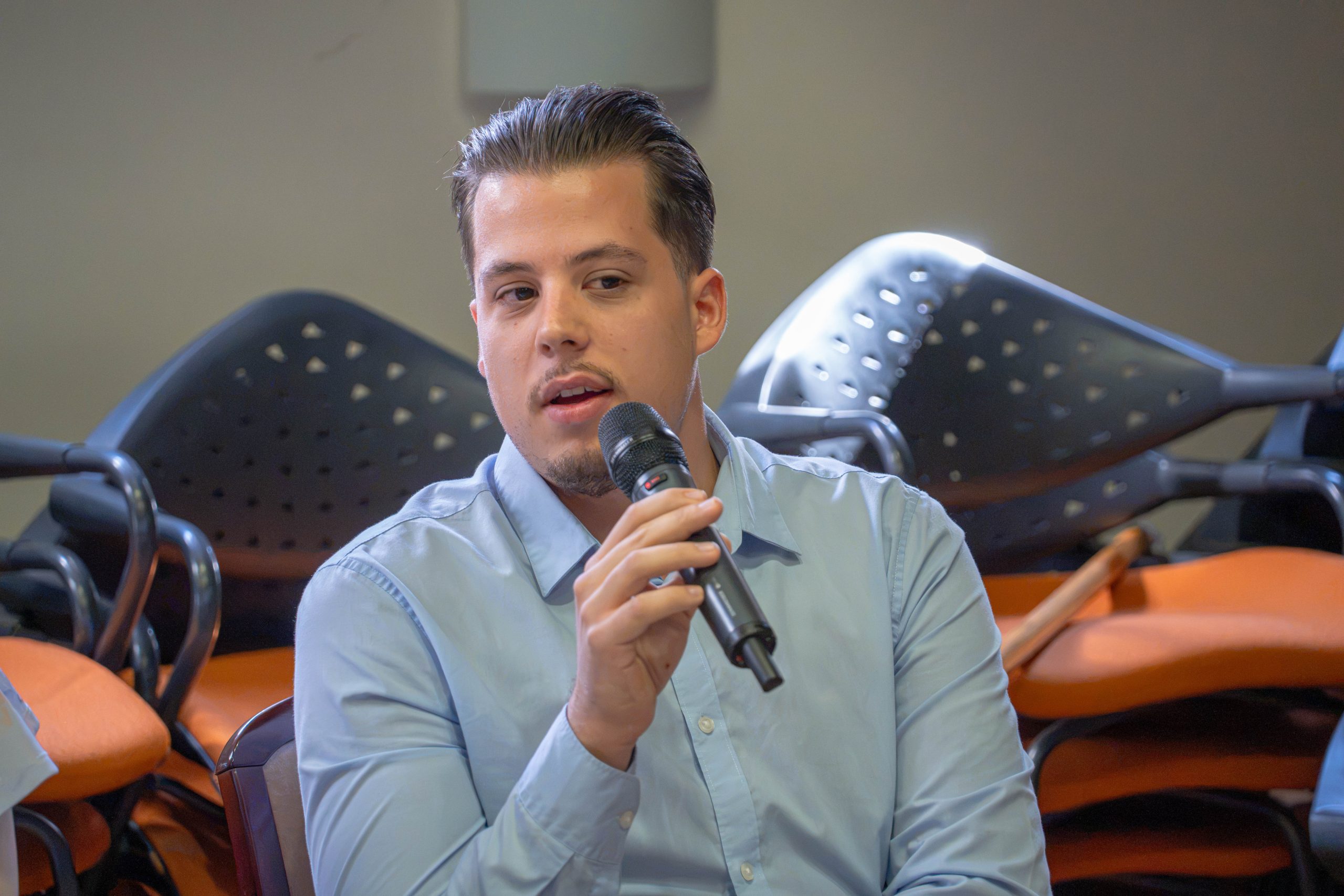
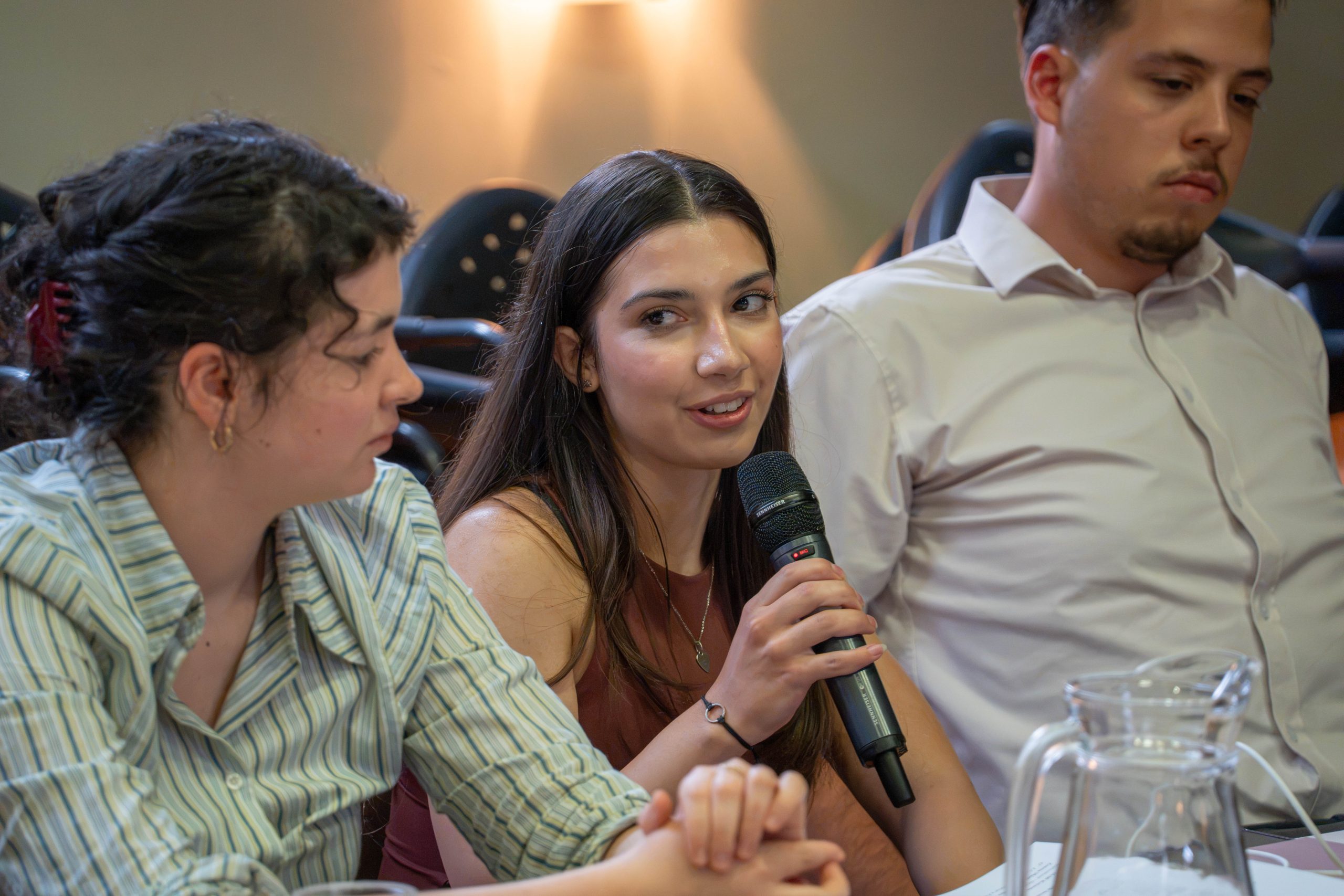
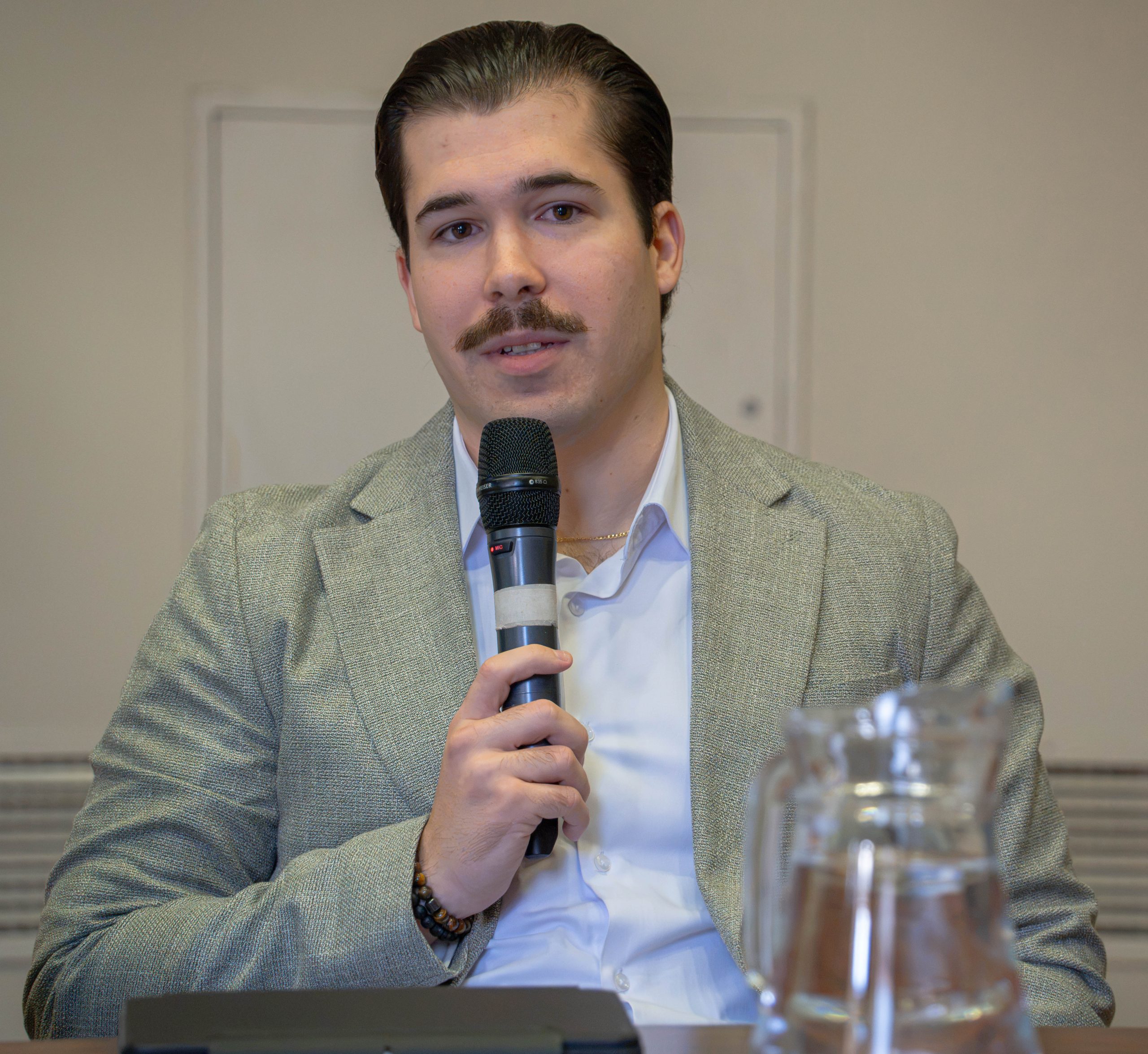
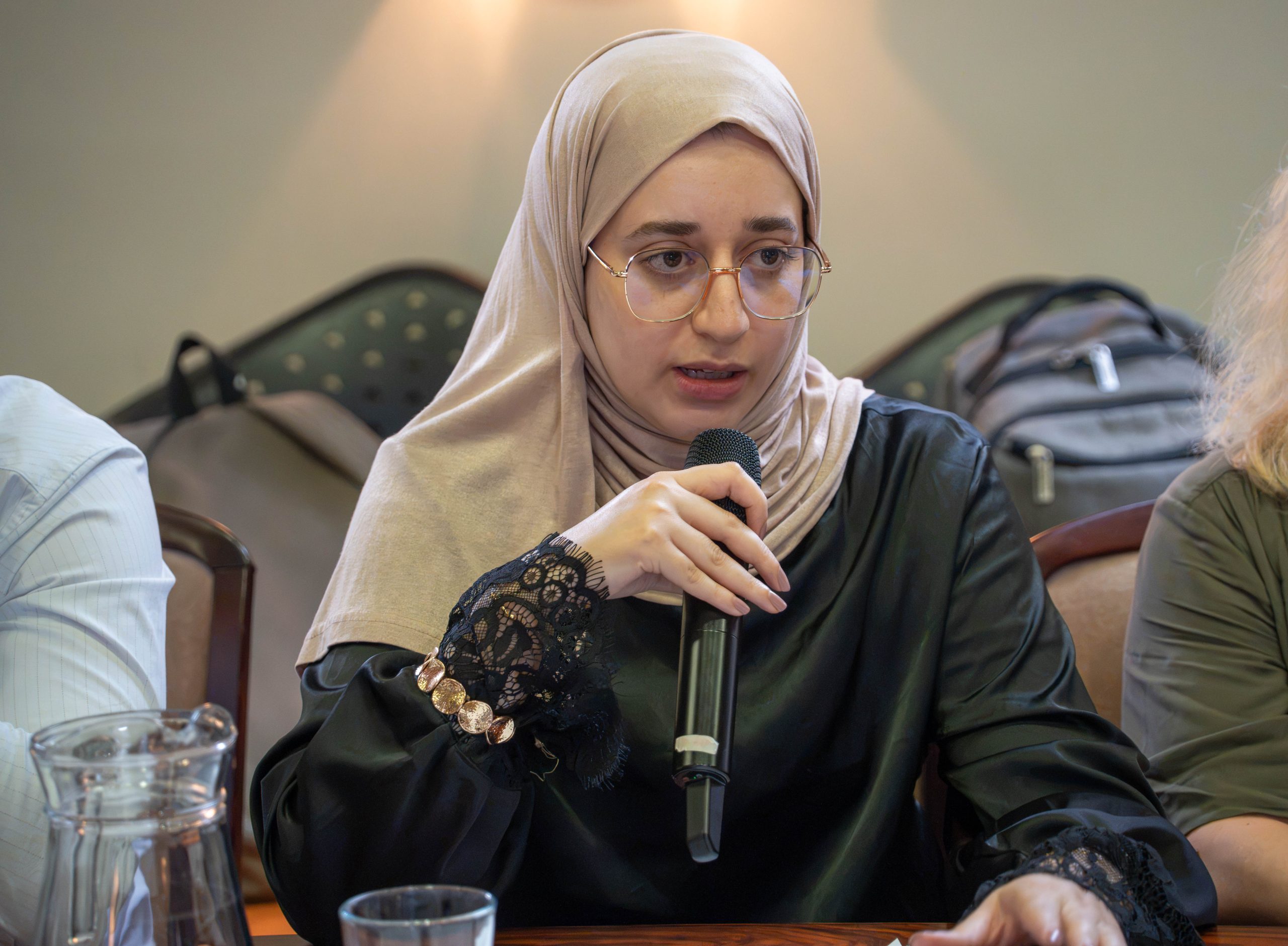
A central feature of the seminar was the active participation of students and early-career researchers. Their contributions demonstrated the breadth of issues currently shaping international relations, security studies, European politics and history.
These contributions provided an important complement to the keynote presentations, allowing emerging researchers to bring their own perspectives and research questions into dialogue with established academics and experts.
An interdisciplinary dialogue on a changing Europe
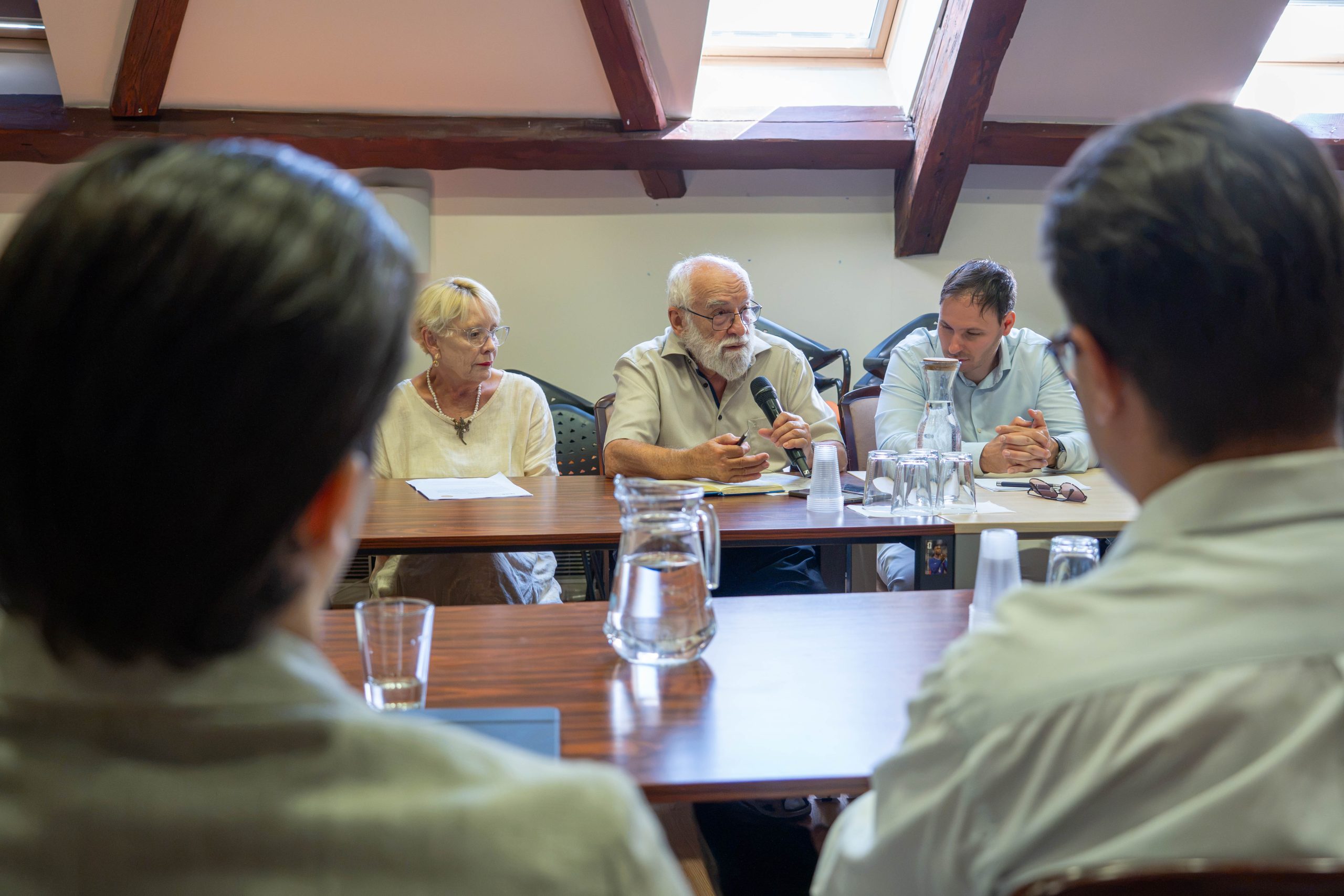
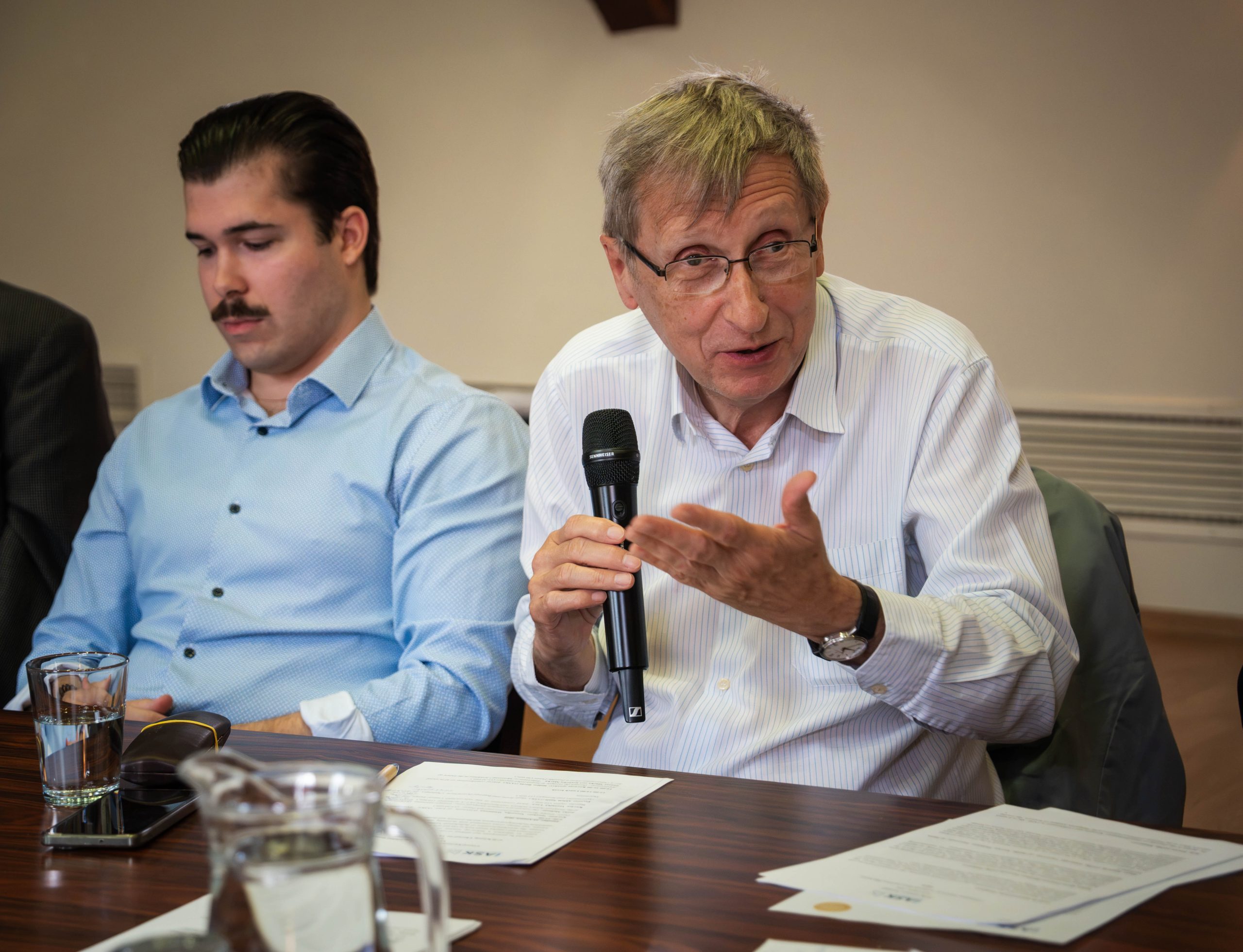
The seminar also featured comments and reflections from Izabella Agárdi, János Bogárdi, Zsolt Kosztyán, Szabolcs Márka, Zsuzsa Márka, Ferenc Miszlivetz, Szabolcs Morvay, Tamás Novák, Ivana Stepanovic and Fülöp József, contributing to the discussions that followed the presentations.
Throughout the two days, one message emerged clearly: the challenges facing Europe cannot be understood in isolation. Energy security is closely connected to geopolitics and strategic autonomy. Defence policy is increasingly intertwined with technological dependence. Climate and economic crises reinforce one another, while the rapid development of AI is transforming education, society and human interaction.
The iASK Summer Seminar continued the Institute’s tradition of creating space for open, interdisciplinary and intergenerational dialogue. Initiated by participants and students of the 31st International Summer University, the event demonstrated how the conversations started during the summer program could be carried forward and developed into new research questions and perspectives.
Detalied program and short BIOs:
European Perspectives on Global Transformation – iASK Summer Seminar