Research & Studies

The 30th International Summer University began on Sunday and will continue until Friday at the Institute of Advanced Studies in Kőszeg. The Big E(U) Turn: Geopolitical Crossroads and the Future of the European Peace Project is the theme of this year’s conference.
The Institute of Advanced Studies in Kőszeg (iASK), the Institute for European and Social Studies (ISES) and the UNESCO Department of Cultural Heritage Management and Sustainability in Kőszeg and the Hungarian National Commission for UNESCO have jointly organized the event, which will once again bring together experts, decision-makers, researchers, social scientists, and students to discuss the challenges of our time.
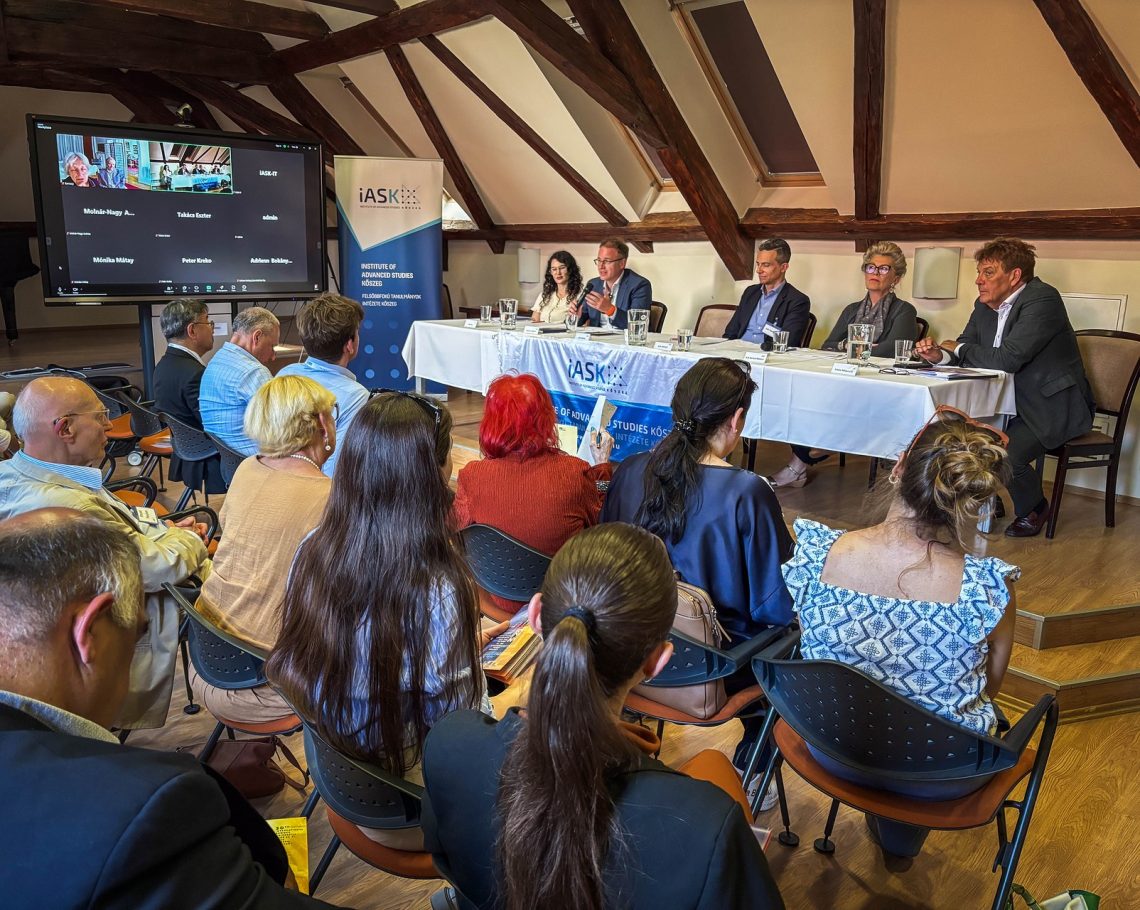
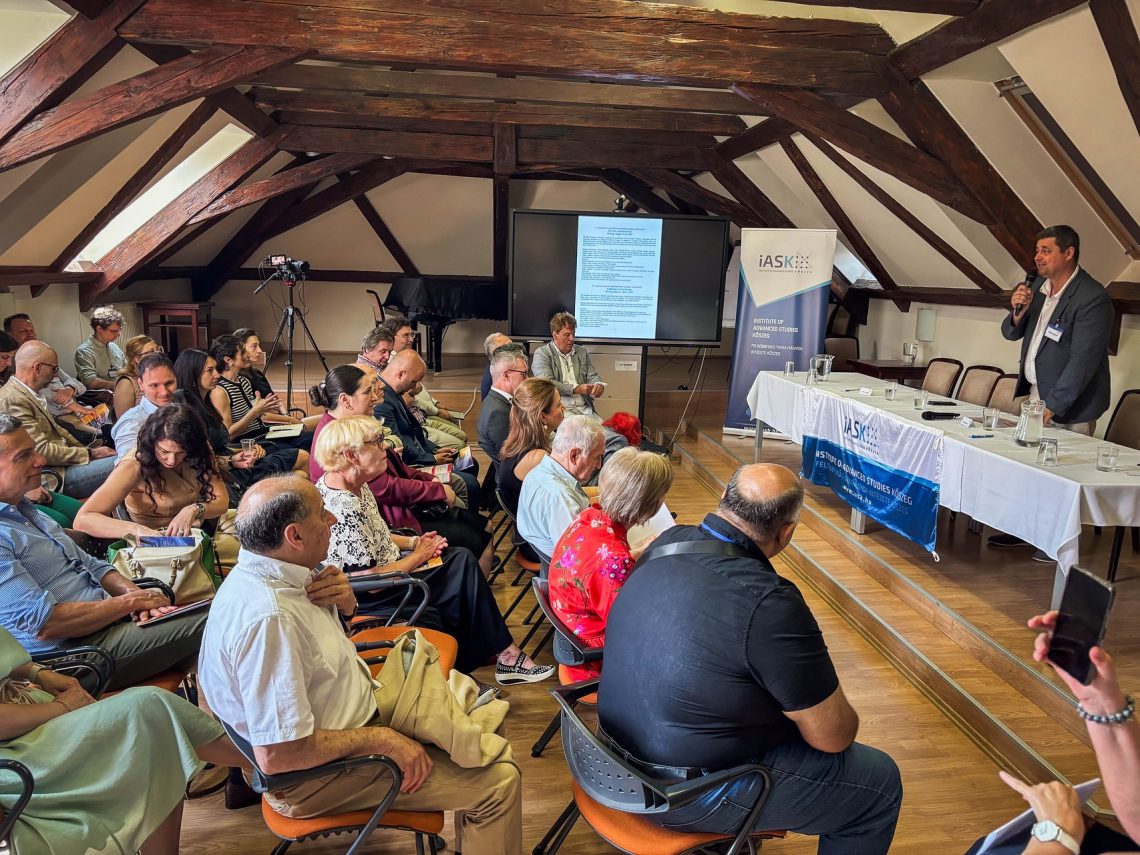
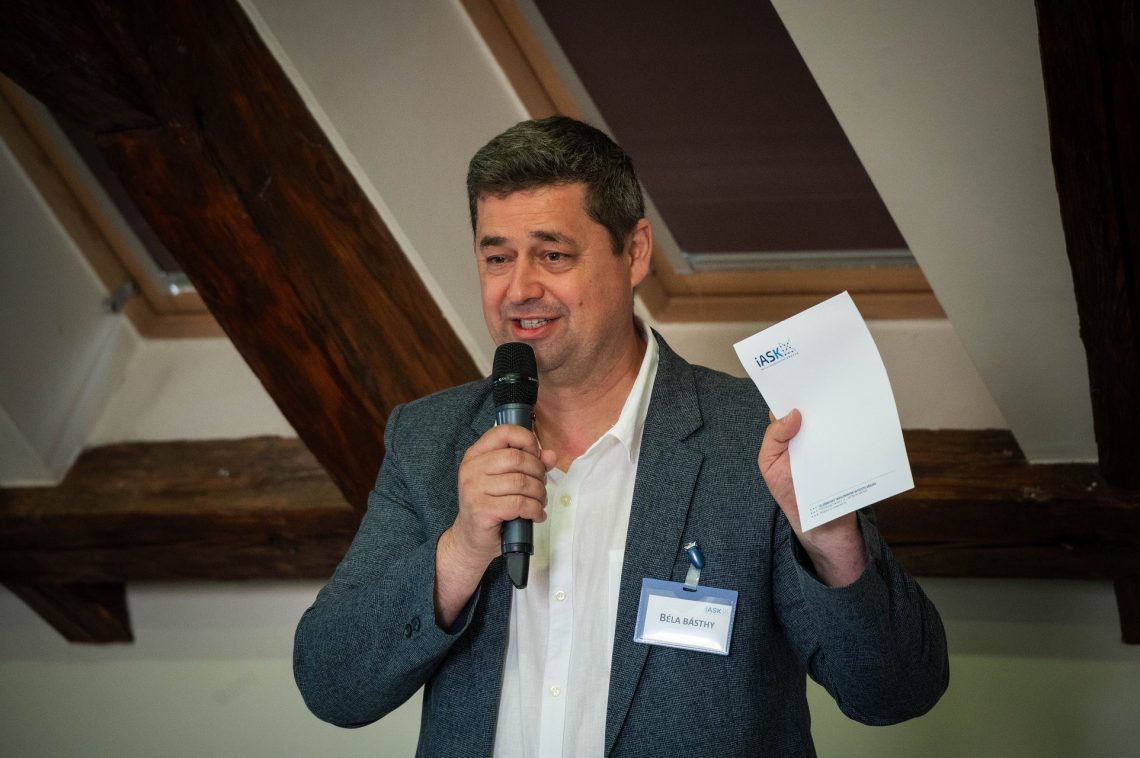
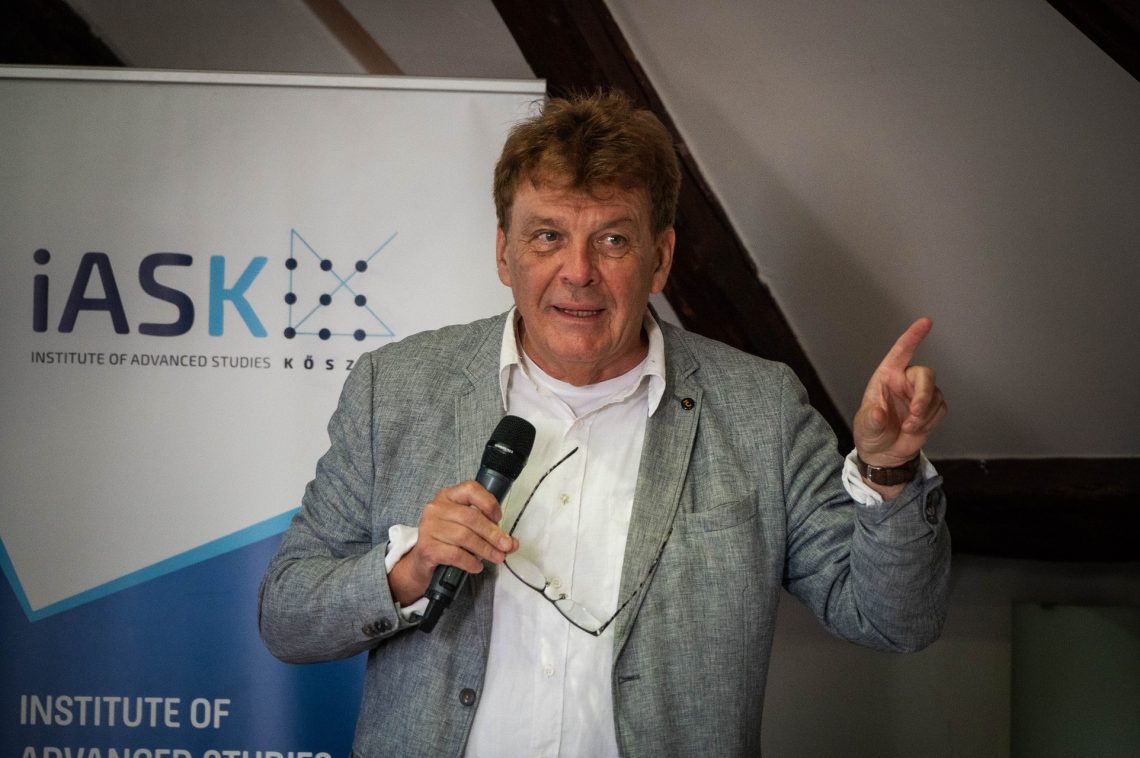
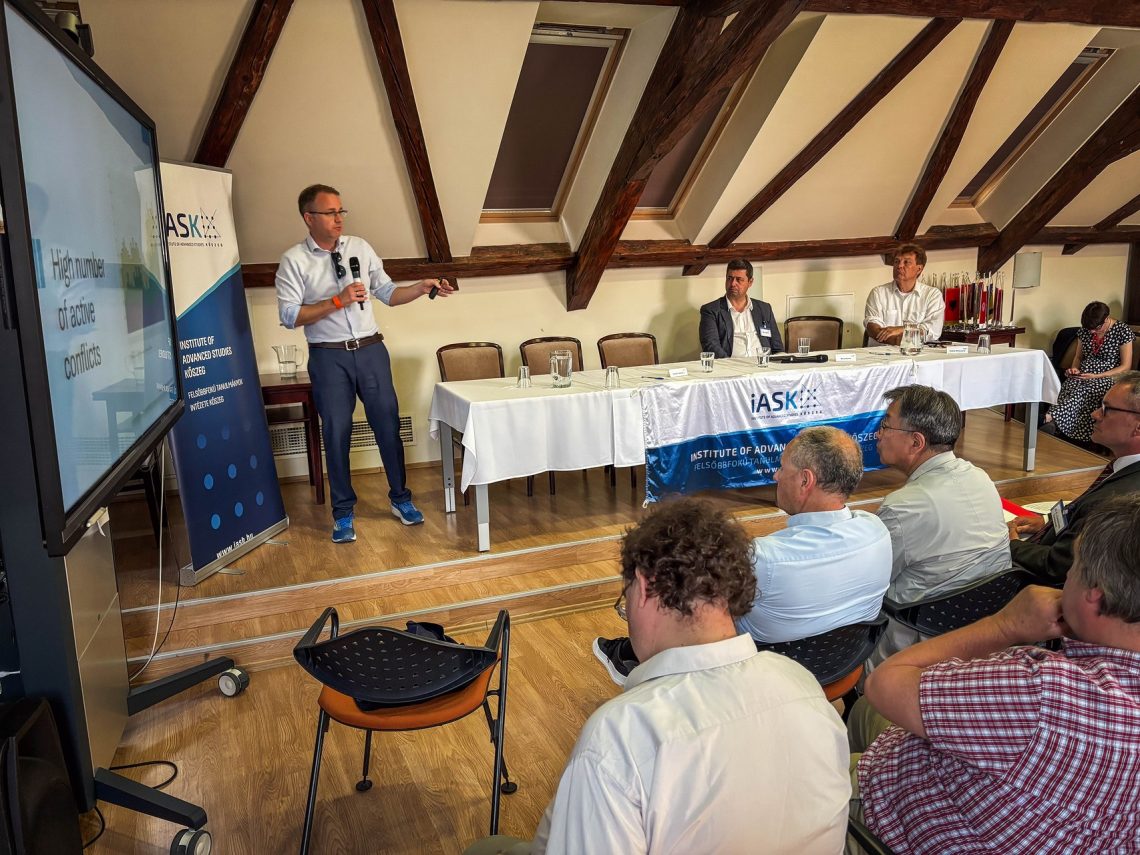
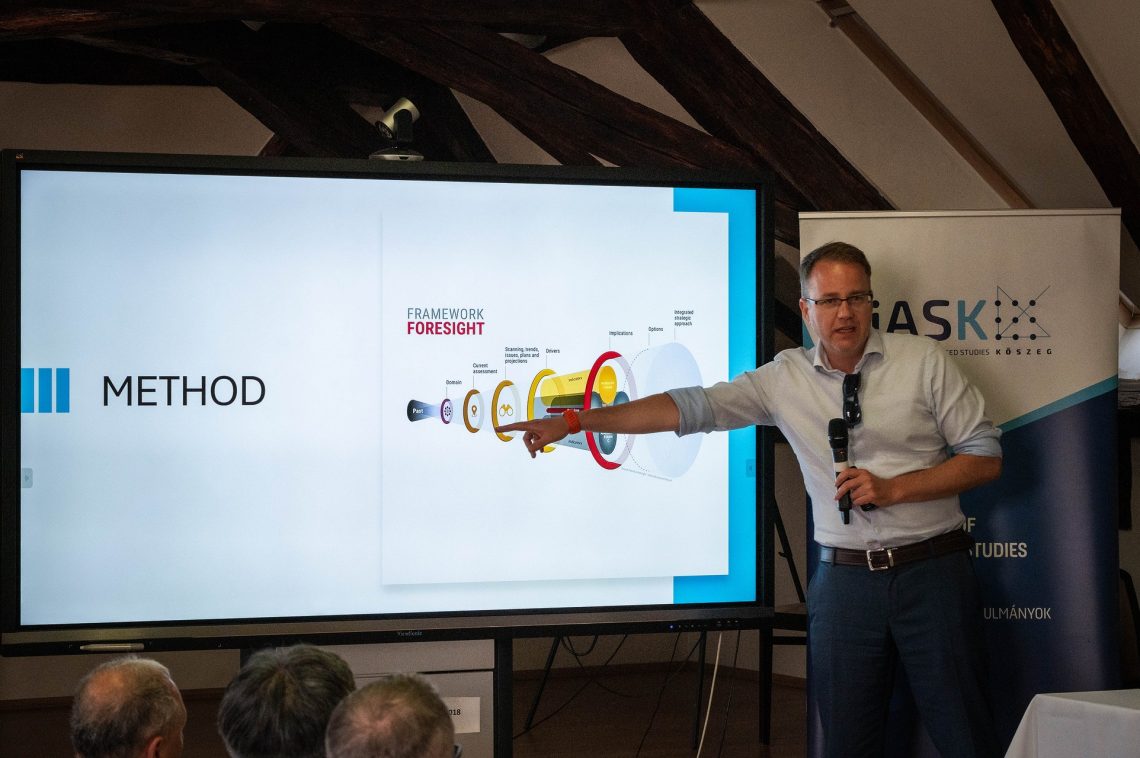
On Monday, in the Bibó Hall of the Europe House, after welcoming remarks by Béla Básthy, mayor of Kőszeg, and Ferenc Miszlivetz, director general of the Institute of Advanced Studies, Dr. Gergely Németh, CEO of the Defense Innovation Research Institute, looked to the long term in his opening remarks: the major trends in our changing world – the rules-based international order is in decline, as is peace. There is no peace in the Euro-Atlantic region, which is characterized by a large number of active conflicts – and discussed the directions of change and their possible consequences.
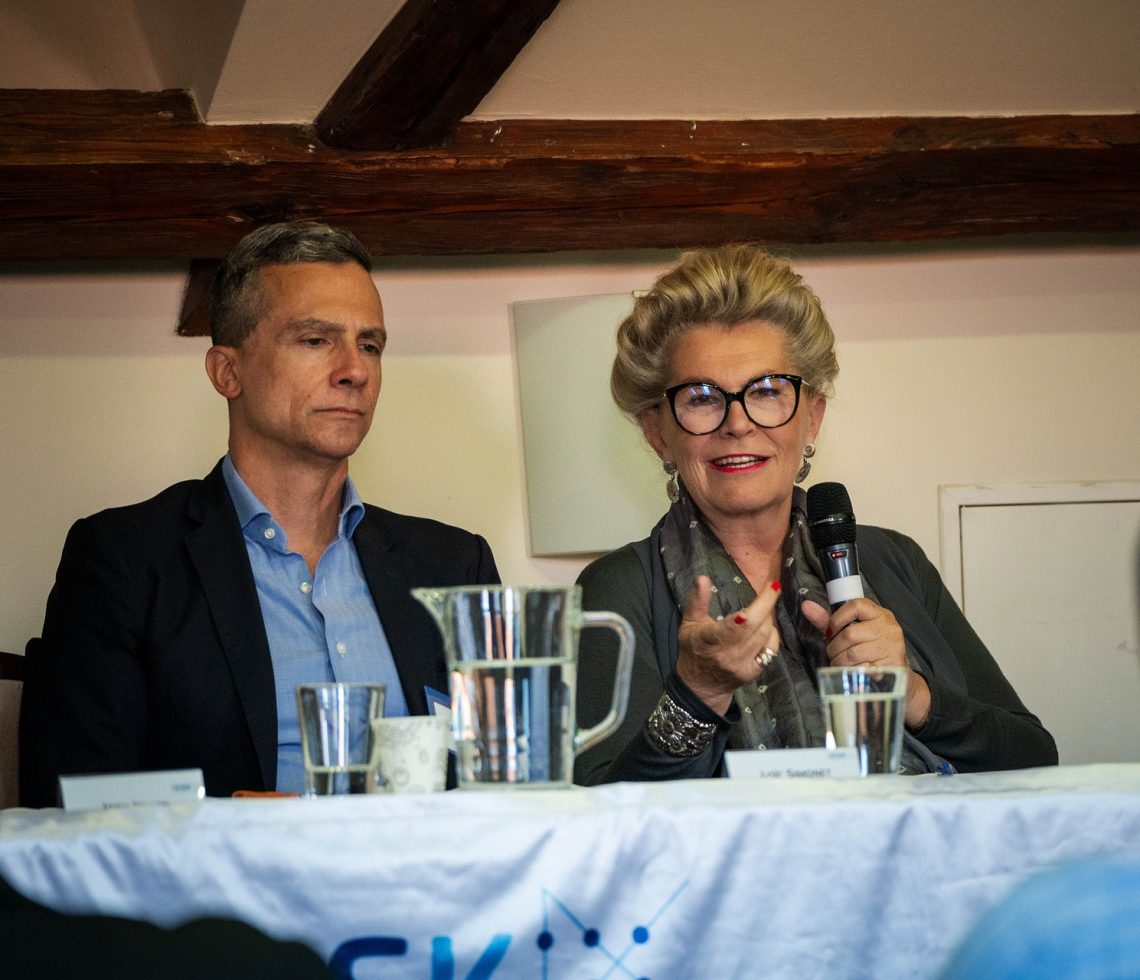
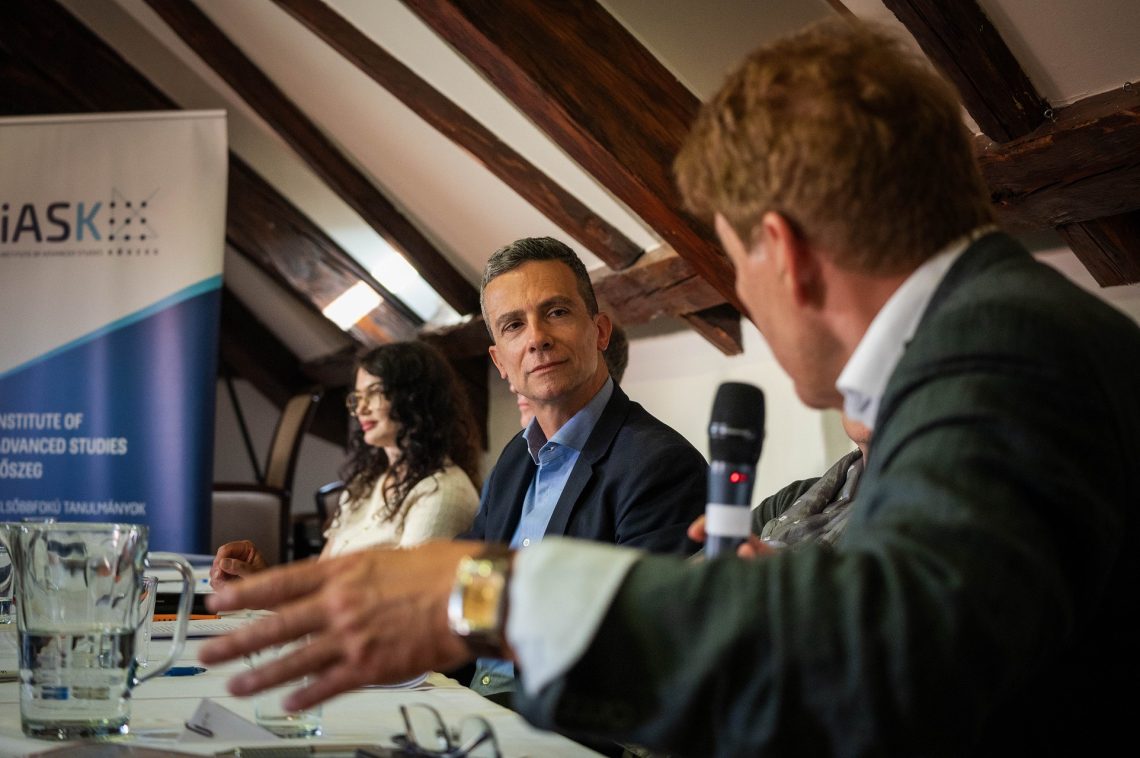
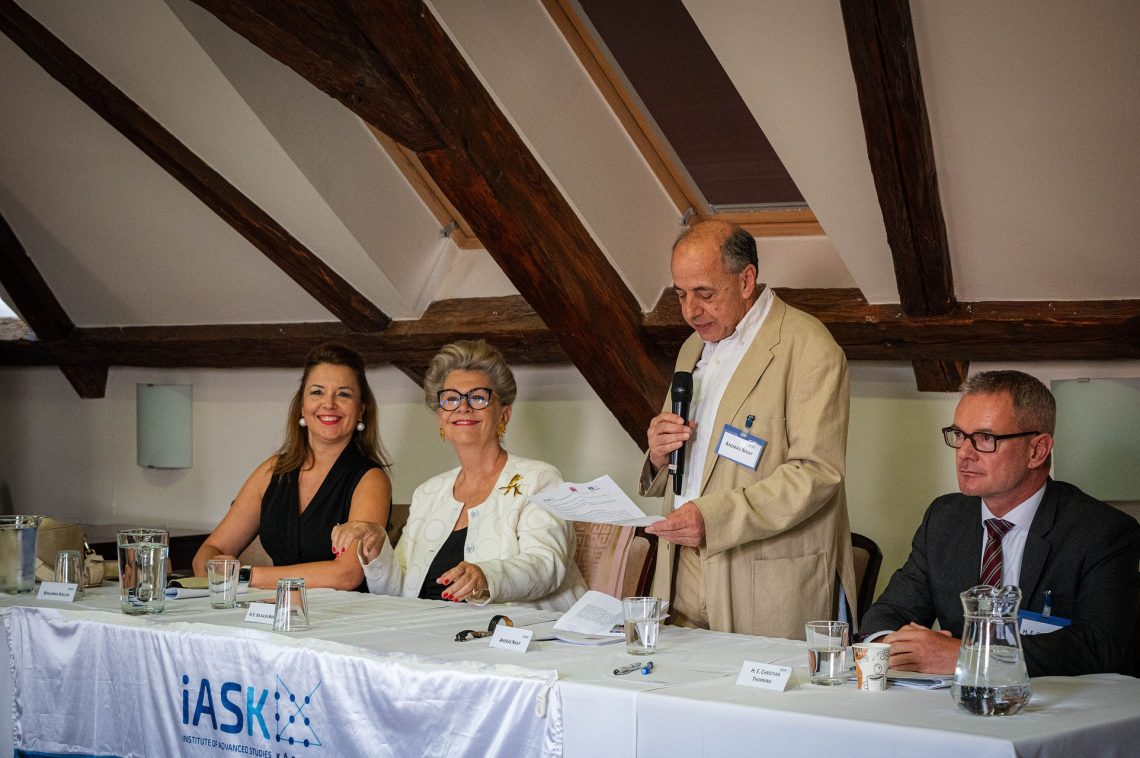
The lecture was followed by a panel discussion with Katalin Bogyay (UN Association of Hungary); Christian Thorning, Ambassador of the Kingdom of Denmark, Boglárka Koller, university professor and head of department at the National University of Public Service, and András Nagy, senior researcher at iASK, discussed the challenges facing the UN and the EU.
So what topics will be discussed during the week-long exchange of ideas, which will also feature cultural programs for the public?
Today, we are witnessing accelerating global transformation and a deepening geopolitical crisis that could lead to the collapse of the rules-based international order. The European Union – the pioneer of the “European dream” and winner of the 2012 Nobel Peace Prize – is facing its greatest challenge to date. In pursuit of its own geopolitical autonomy, it is pushing for military independence from the United States and, at the same time, calling for an end to its energy dependence on Russia. The challenge for the future is how Europe can strategically leverage its resources to increase its global influence.
Is it possible for the EU to achieve geostrategic independence from the United States while maintaining its role as a global soft power and its model of peaceful coexistence? Within these constraints, can the EU realistically maintain its promise of further enlargement, including the Western Balkans and Eastern Europe? Can an effective and efficient European defense force (European army) be created, consisting of EU member states and neighboring candidate countries, while maintaining the North Atlantic Alliance in the current security situation? Could the rapid militarization of the EU transform or undermine its global “soft power” role, its commitment to European peace, and its fundamental values, especially in the face of growing security threats? How can the EU use a combination of hard and soft power? Under what conditions could this apparent shift in military and security policy form a credible and lasting basis for a new, long-term peace order?
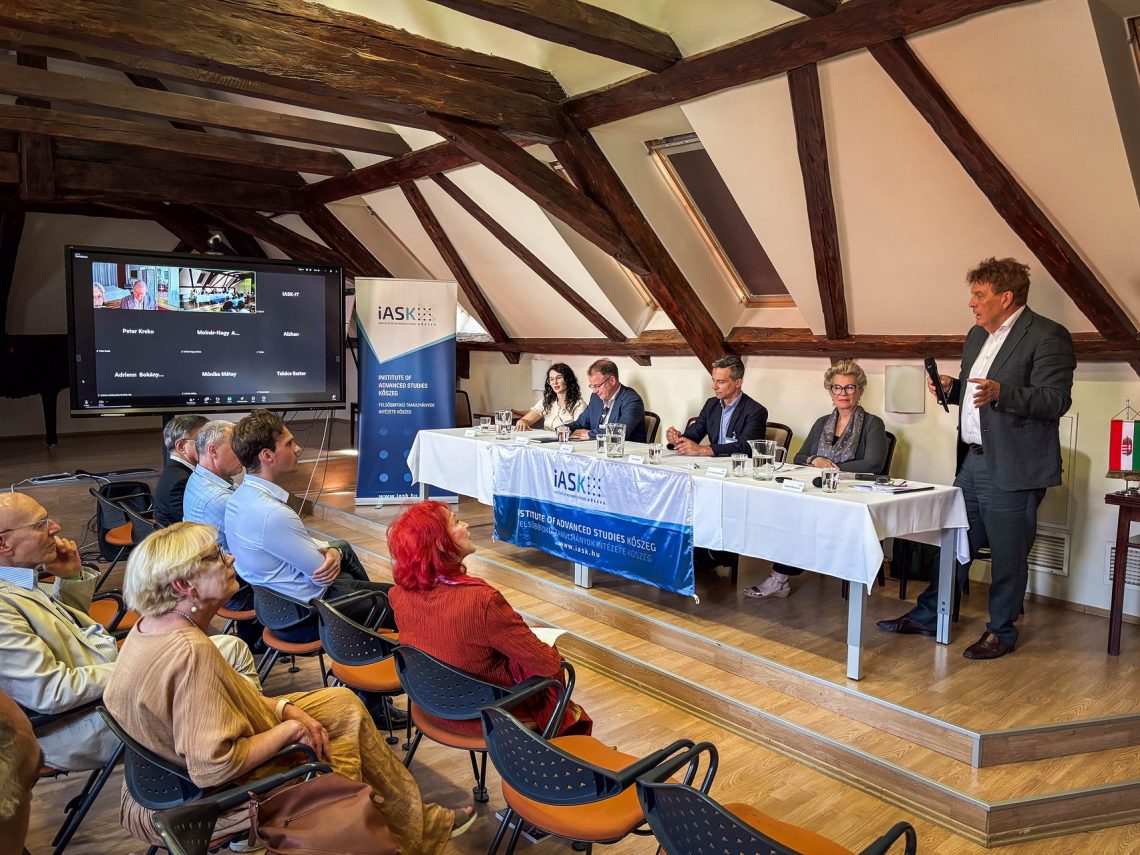
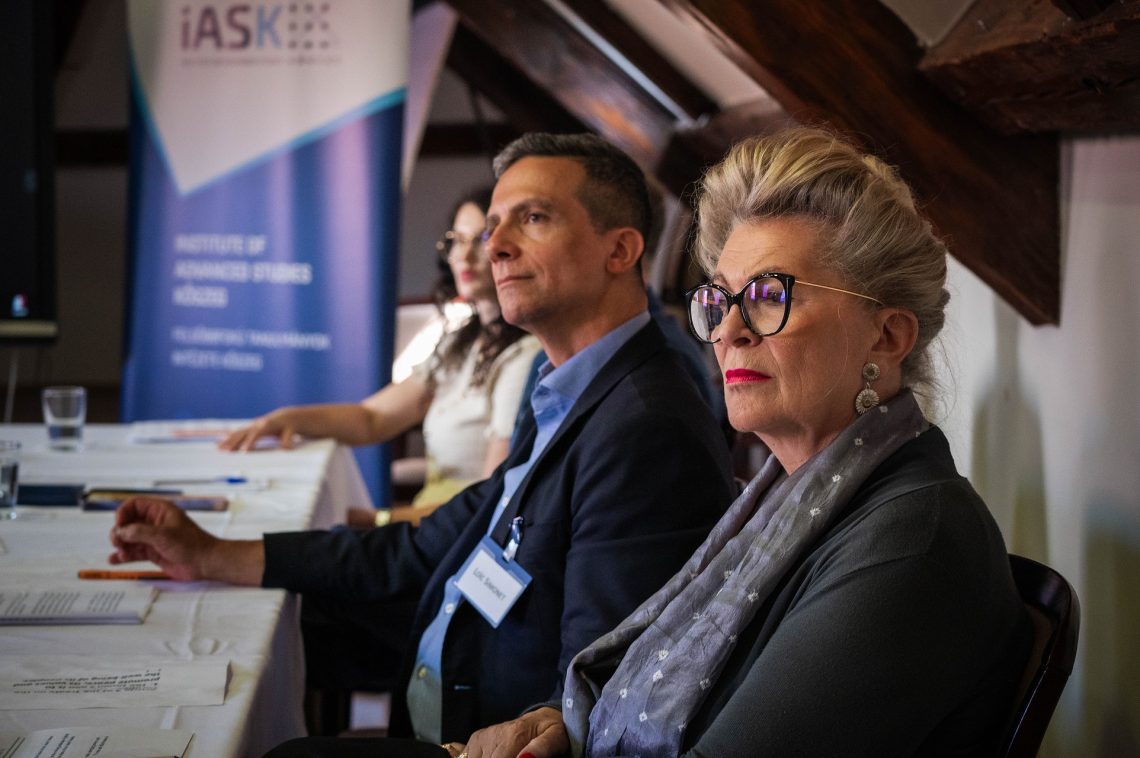
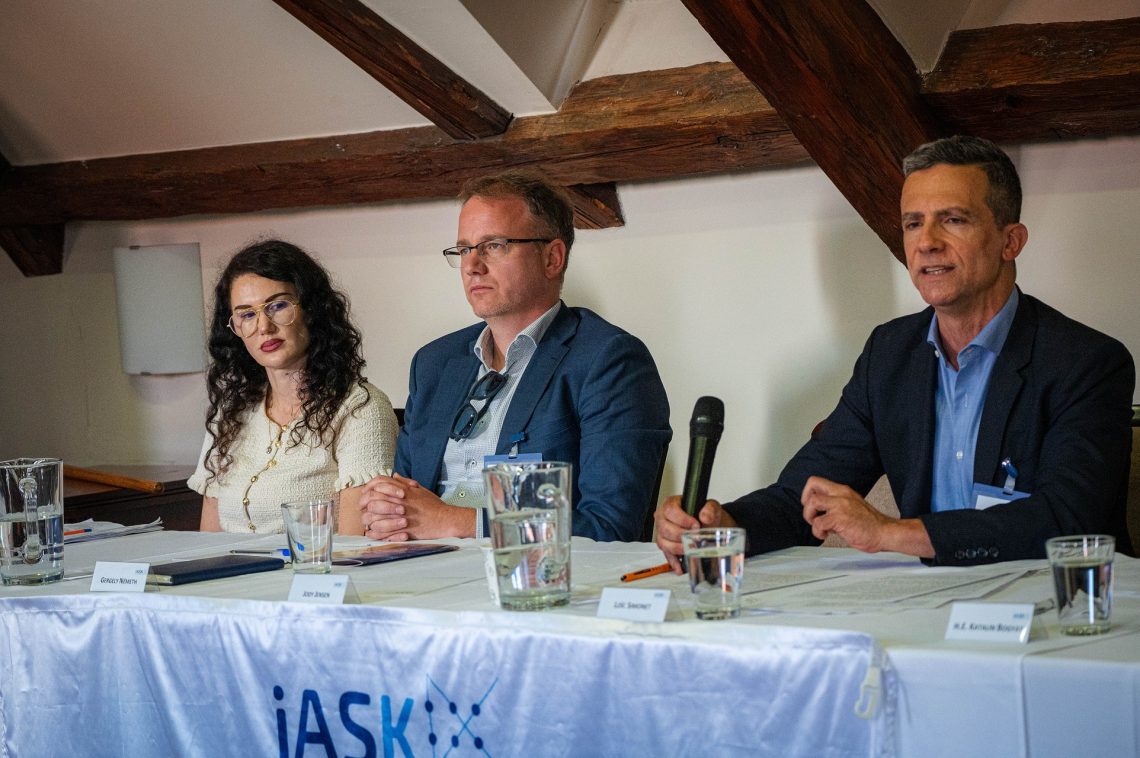
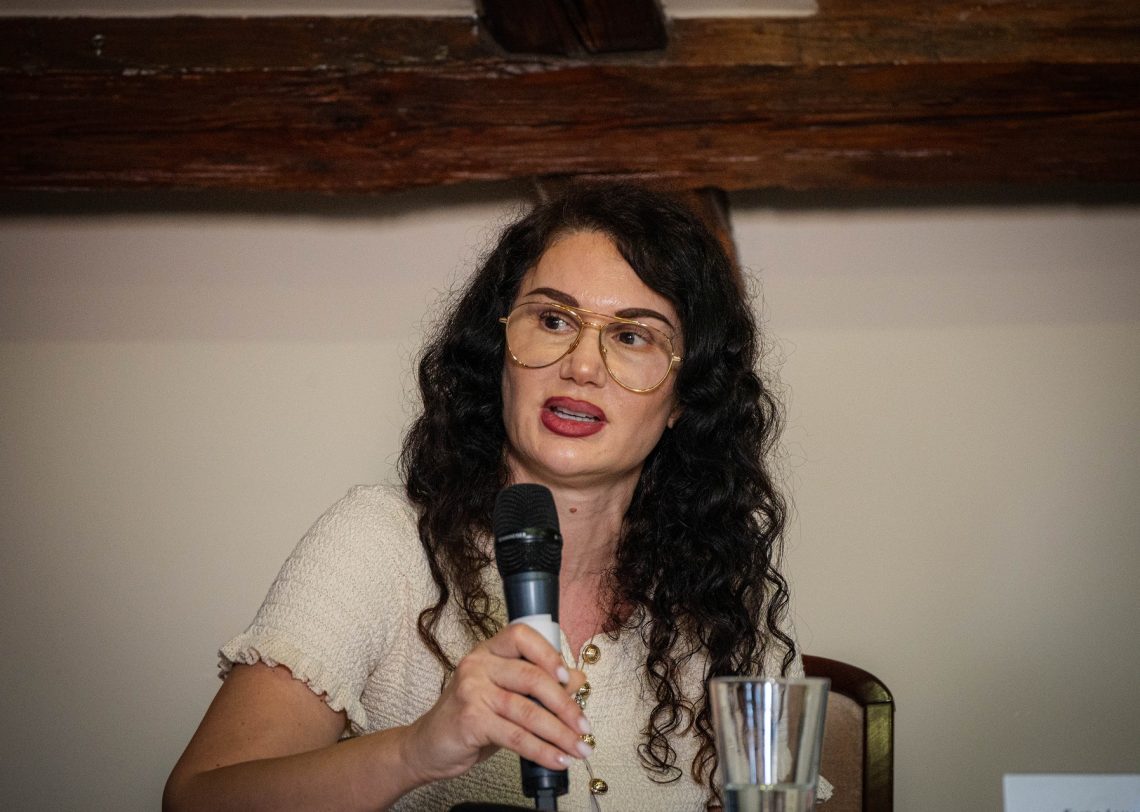
For more photos:
https://photos.iask.hu/mo/sharing/iU4sTGjpG
On our second day of the 30th Summer University provided a deep dive into the challenges facing the international system, with a particular focus on the decline of the rules-based order and the intensifying geopolitical tensions of our era.
To begin with, Béla Básthy, Mayor of Kőszeg, opened the day by inviting participants to enjoy their stay and share ideas for the city’s future. Ferenc Miszlivetz, Director of iASK, reflected on the evolution of the Summer University over the past 30 years and set the stage for the day’s critical discussions.
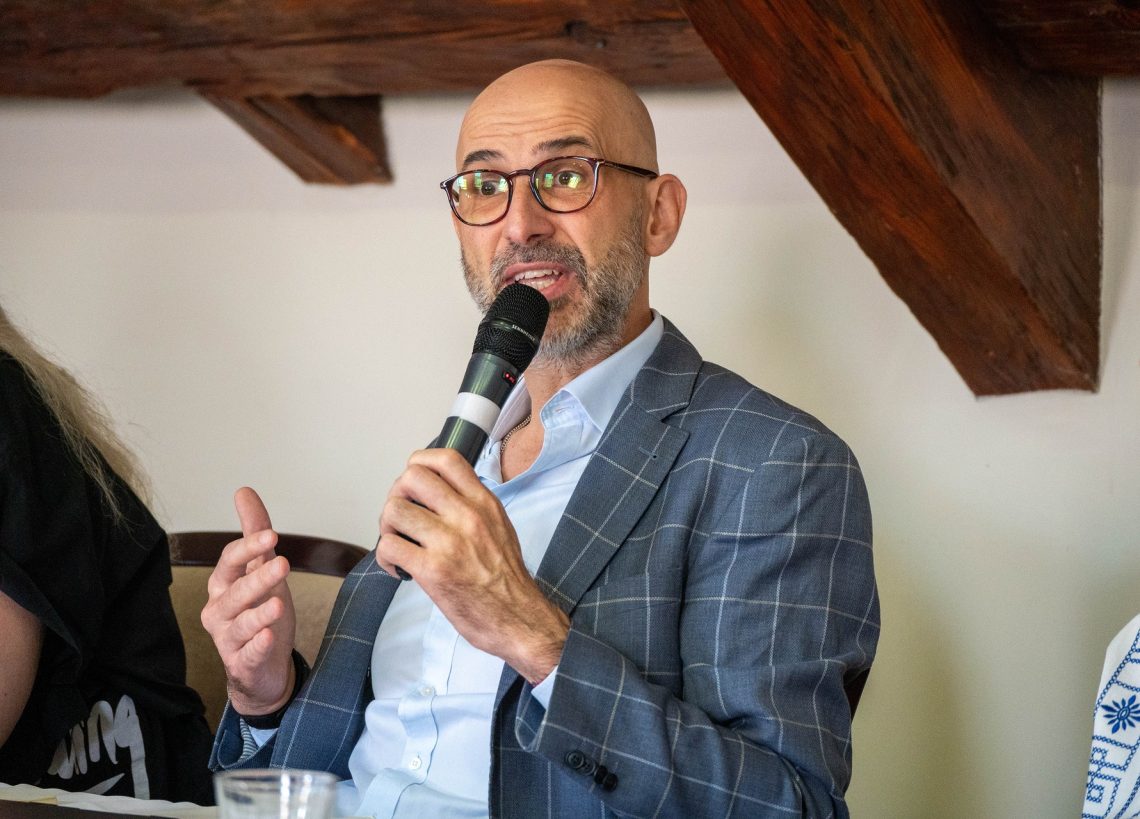
After that call to explore the charming town, Gergely Németh, CEO of Defence Innovation Research Institute of Hungary, has set the ton of the day with his keynote speech. The security expert described the current period as “the age of unpeace,” marked by the erosion of global cooperation and rising interstate conflict fatalities. He argued that since 2008, the world has shifted from an era of relative stability to one of increasing disruption, with the rules-based order under severe strain.
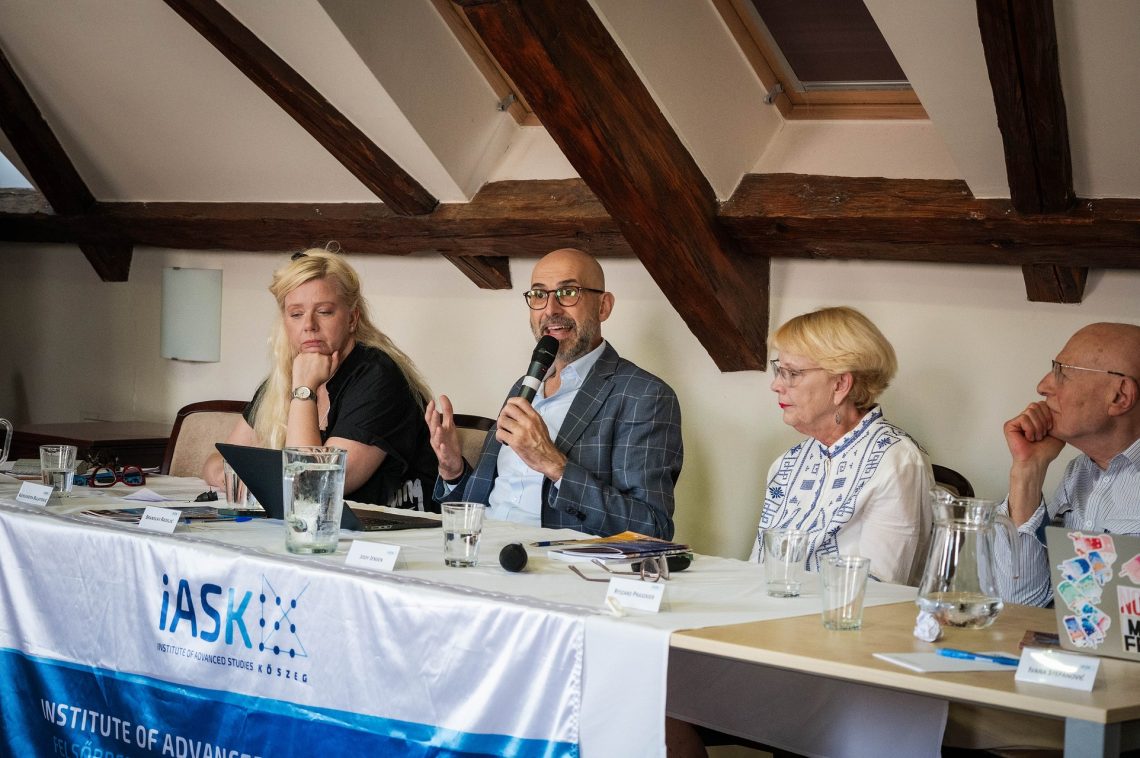
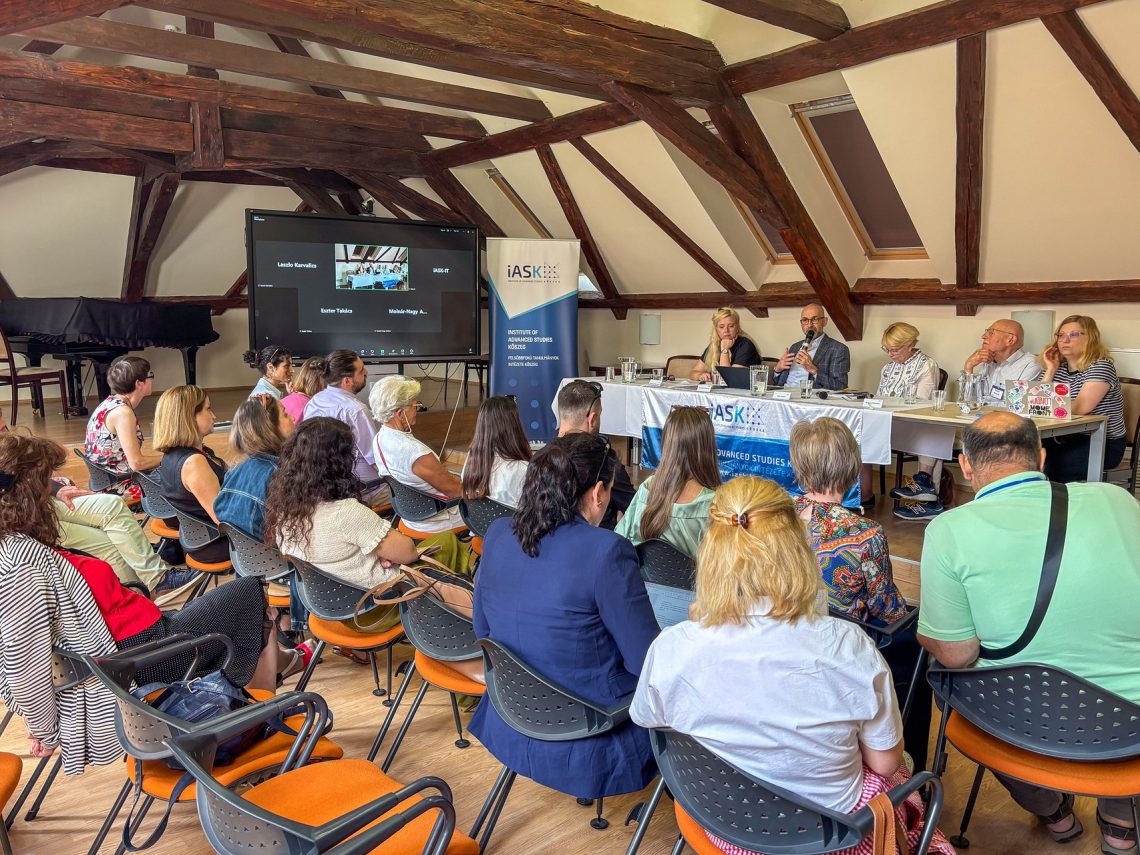
The first panel of the day, chaired by András Nagy from iASK, brought together distinguished speakers to address the pressing challenges faced by the United Nations and the European Union, amid global transformations. H.E. Katalin Bogyay of the UN Association of Hungary emphasised the critical importance of women’s participation in decision-making processes. She underscored the necessity to renew international institutions rather than abandon them, highlighting the UN’s vital role as the guardian of international law. Bogyay called for a renewed global commitment to truth and decisive action in addressing contemporary challenges. Furthermore, H.E. Christian Thorning, Ambassador of Denmark to Hungary and the Republic of Slovenia, outlined the priorities of the forthcoming Danish EU Presidency, focusing on enhancing security, competitiveness, and sustainability. He stressed the urgency of collective efforts to defend Europe in an increasingly complex geopolitical landscape. Boglárka Koller from Ludovika University explored the concept of “differentiated integration” within the EU, suggesting that coalitions of willing member states could spearhead progress despite broader fragmentation. Both Koller and Thorning advocated for establishing a new financial framework to enhance the EU’s agility and responsiveness.
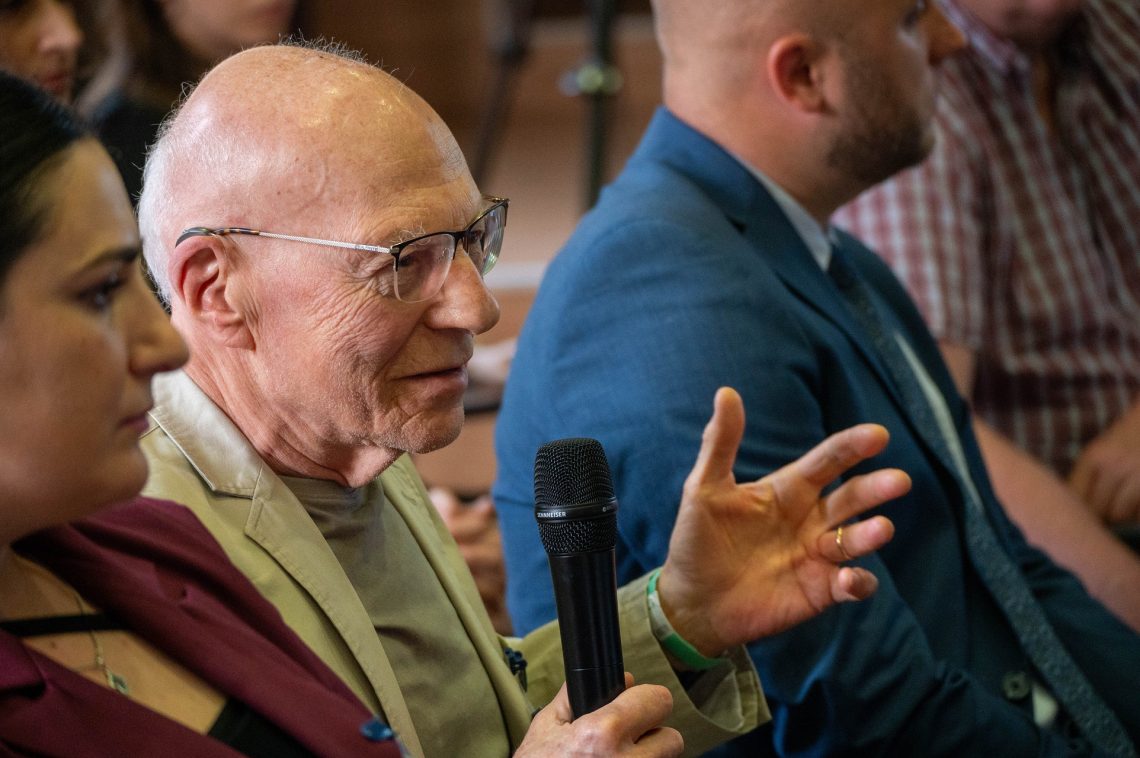
The discussion was enriched by contributions from André Erdős, former UN Ambassador; Andor Nagy, former Ambassador to Israel and Austria; and Judy Kuriansky of Columbia University. They offered valuable perspectives on UN reform, the geopolitical implications of the Israeli-Iranian conflict, and the imperative to update the UN’s Sustainable Development Goals (SDGs) with a stronger emphasis on resilience and mental health.
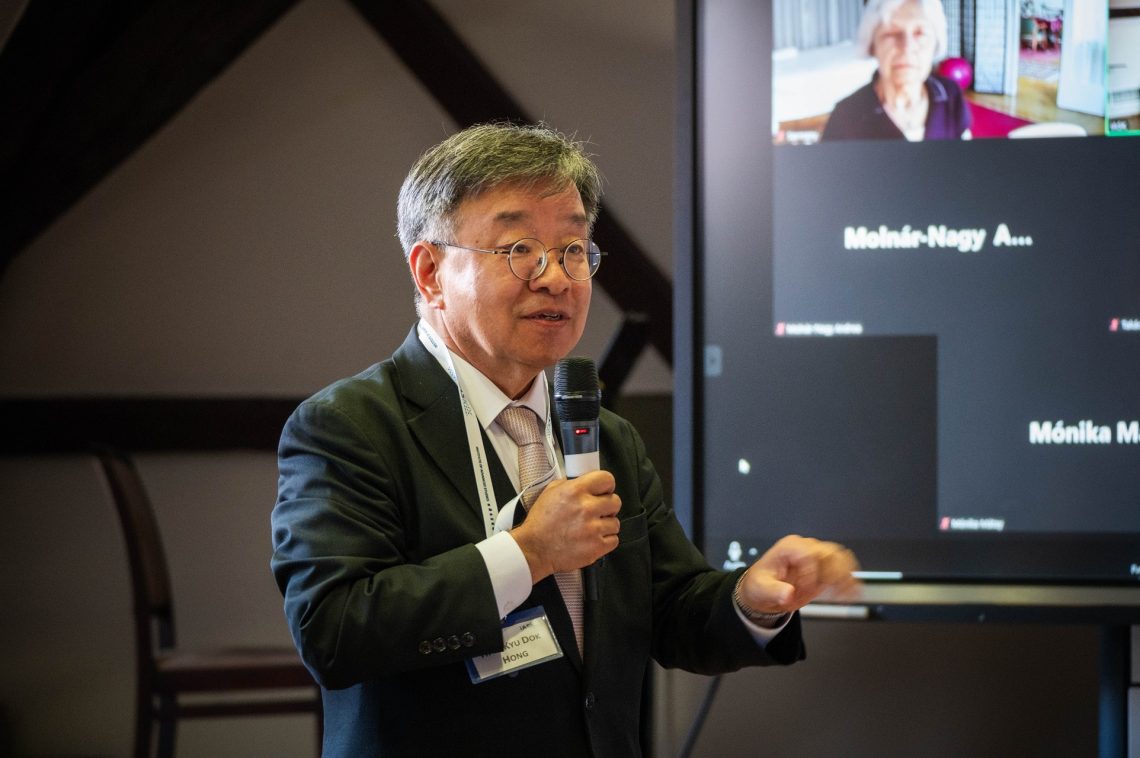
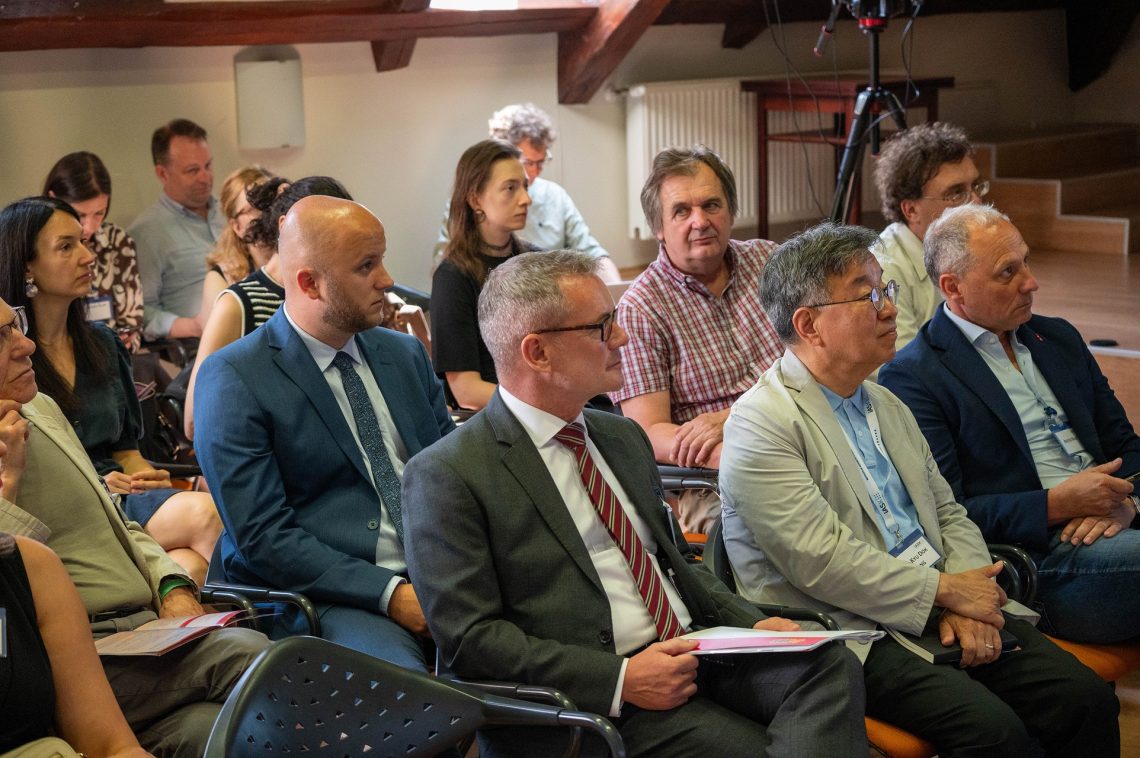
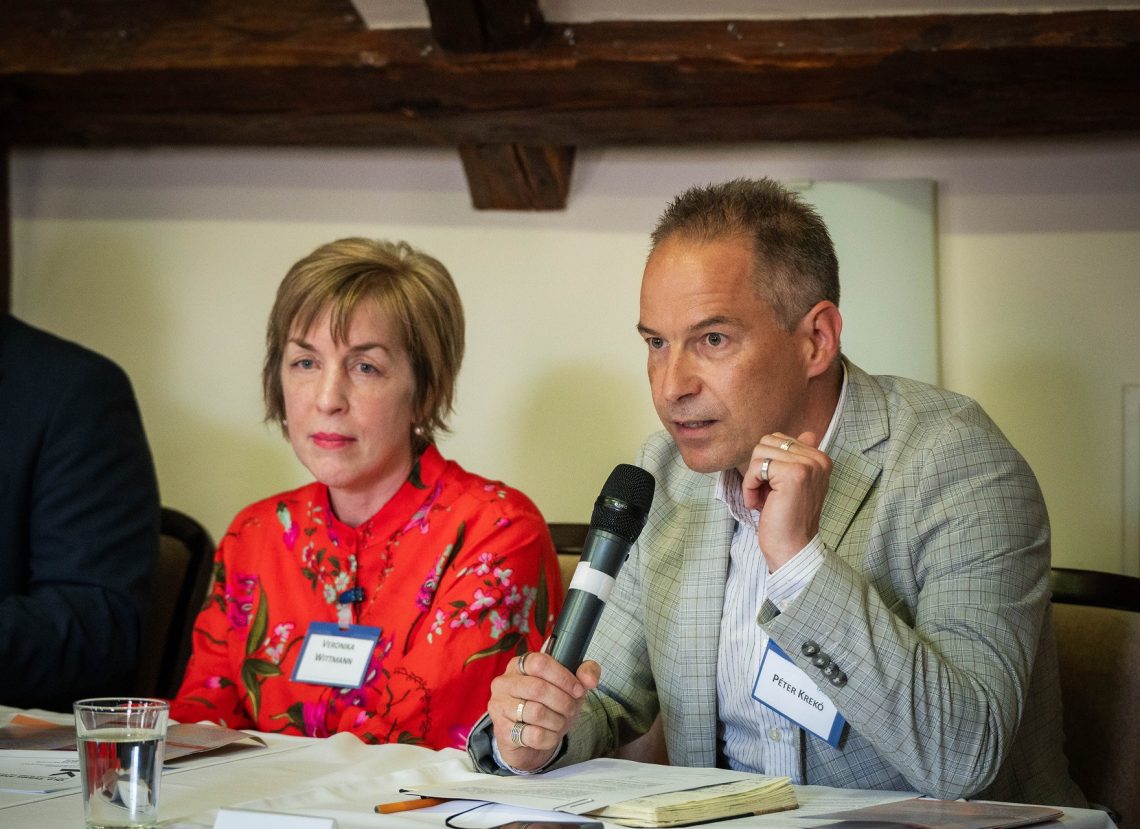
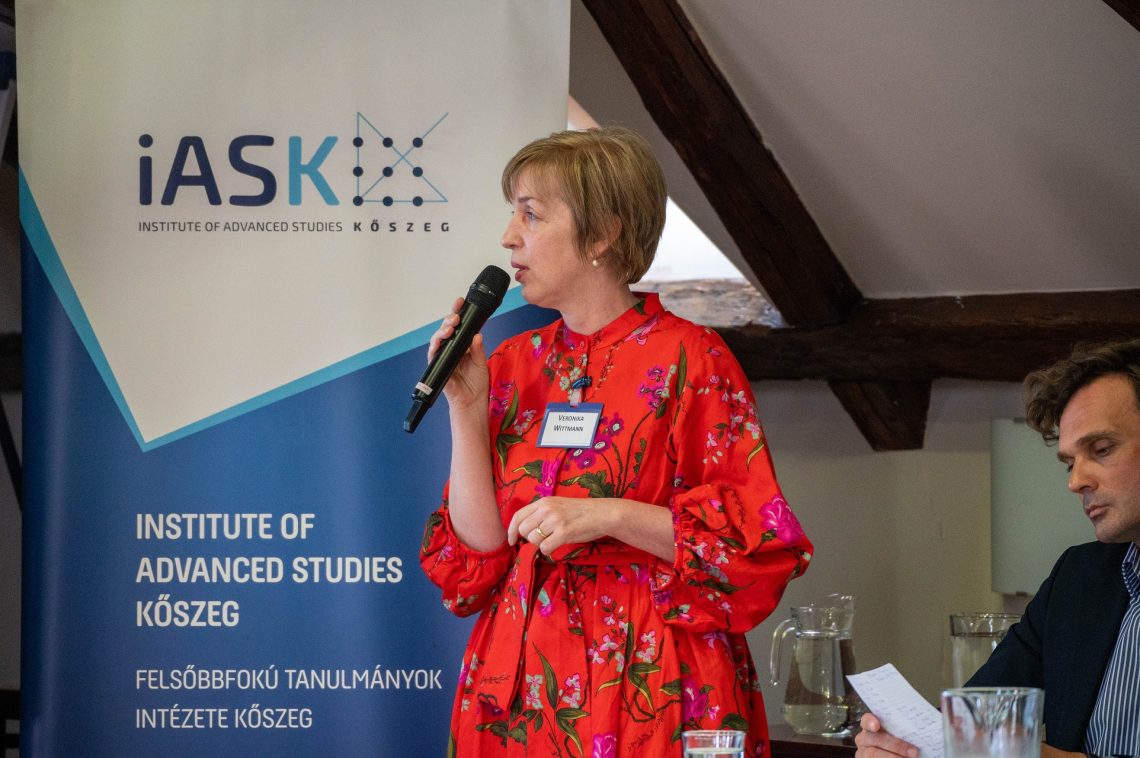
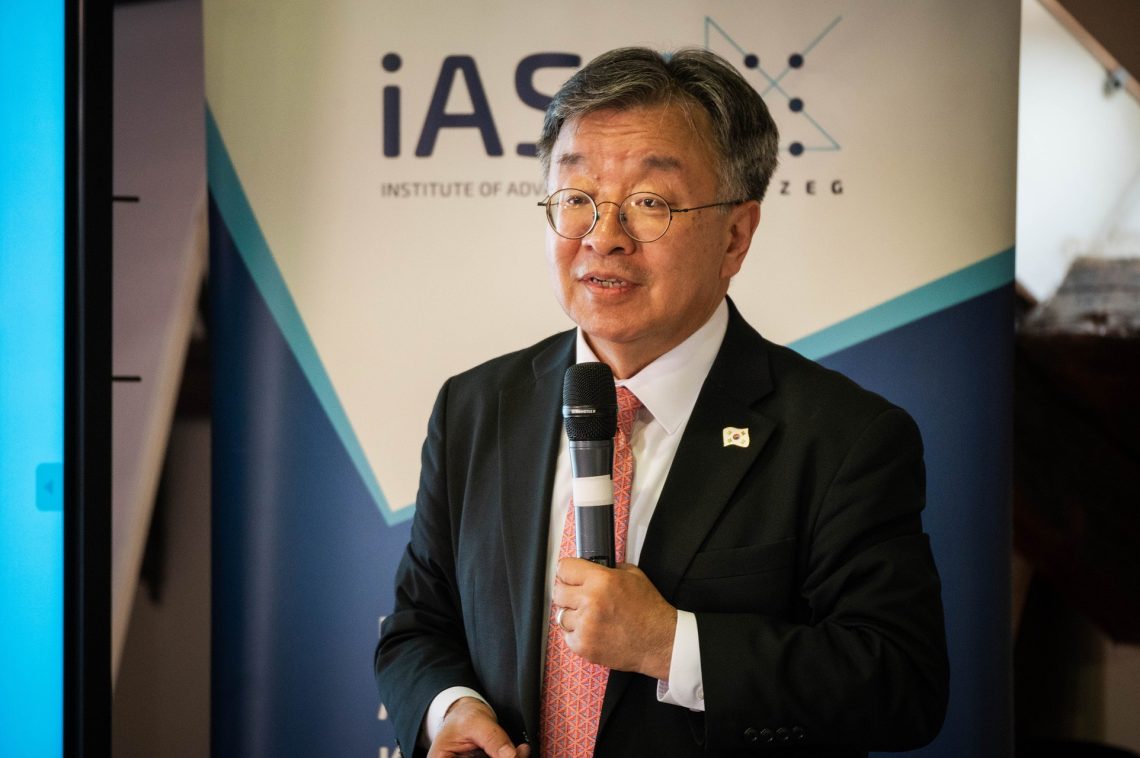
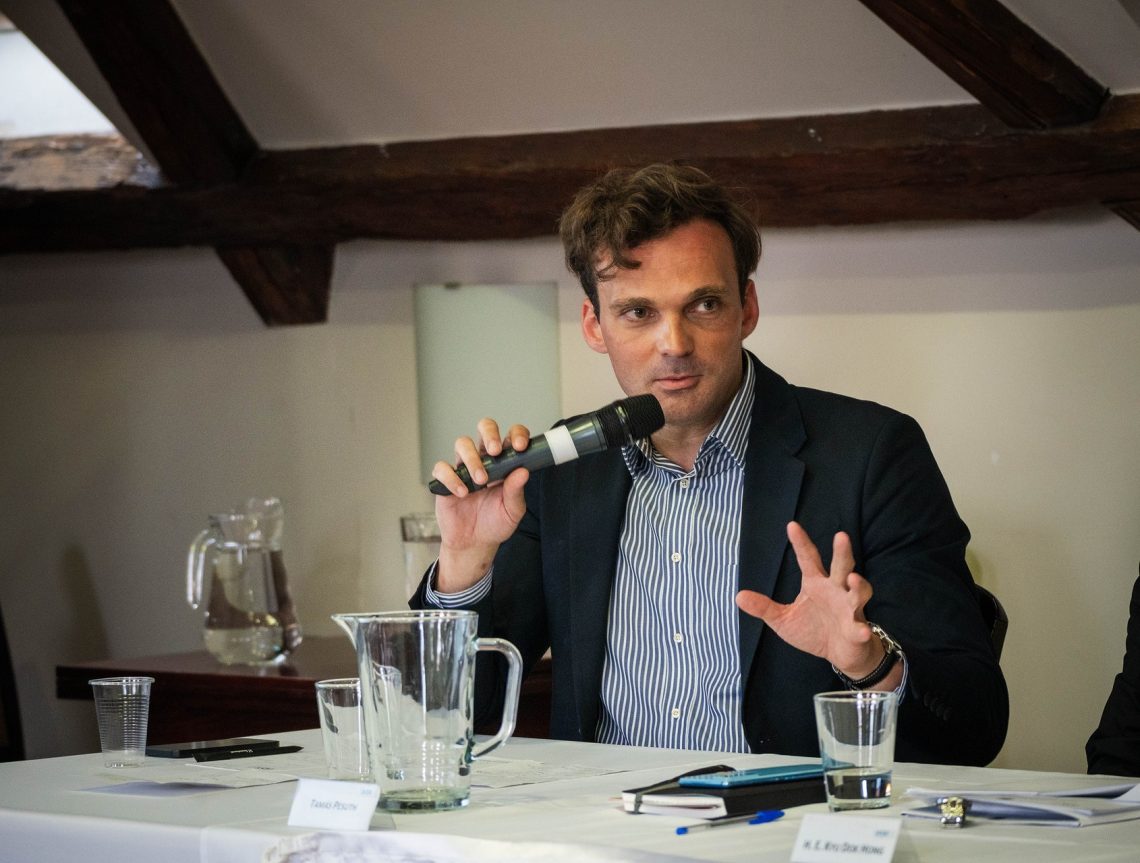
Chaired by Péter Krekó (iASK), the second panel examined the complex interplay between global economic shifts and geopolitical rivalries during the Trump era, highlighting challenges and strategic responses, with an enlightening keynote from Veronika Wittmann (JKU Linz). In her speech she argued that Europe must intensify efforts to secure reliable trading partners in a world where risk is increasingly defined by the anticipation of catastrophic events. She emphasised the critical role of science in fostering trust and providing a non-ideological foundation for international dialogue. Wittmann also noted the expanding influence of artificial intelligence in governance, while underscoring that human creativity remains indispensable. Moreover, H.E. Mladen Andrlić, Ambassador of Croatia, stressed diplomacy’s vital role in forging and maintaining international partnerships amid rising tensions. Discussing economic importance, H.E. Kyu Dok Hong, Ambassador of South Korea, warned that transactional diplomacy threatens the cohesion of the US-Japan-Korea alliance. He highlighted the strengthening economic and military ties between China, North Korea, and Russia, which contribute to instability in the Indo-Pacific region.
To end the panel, Tamás Pesuth from Corvinus University underscored the importance of understanding economic indicators and advocated for multidisciplinary approaches to grasp the complexities of global economic and political dynamics.
The erosion of the established rules-based international order and the emergence of new power configurations were heavily discussed in the third panel, under the chairmanship of Ferenc Miszlivetz. To begin with, Director of the Diplomatische Akademie Wien, Emil Brix asserted that the traditional rules-based order is effectively over, with BRICS nations poised to surpass the G7 in global influence. He noted that the interpretation of the “rule of law” varies significantly across different regions. He was followed by Isotta Ricci Bitti (APROPOS Group, Open European Dialogue), who advocated for overcoming polarisation through dialogue and trust-building, highlighting efforts by the Open European Dialogue movement to connect politicians across borders. From international perspective, András Hettyey (Andrássy Universität Budapest) emphasised that respect for democratic norms domestically is essential for international respect, warning that populist governments pose a serious challenge to the EU’s future. He called for the establishment of more, not fewer, rules to safeguard Europe. As the last speech of the second day, Sean Cleary (Strategic Concepts, South Africa) pointed to the unprecedented pace of technological change and cautioned about deepening societal fragmentation, highlighting the limitations of current international organisations in addressing these challenges.
In the framework of the 30th Summer University, we intellectually head to the Western Balkans on the third day to discuss enlargement and the need for civil society’s action in a changing geopolitical era.
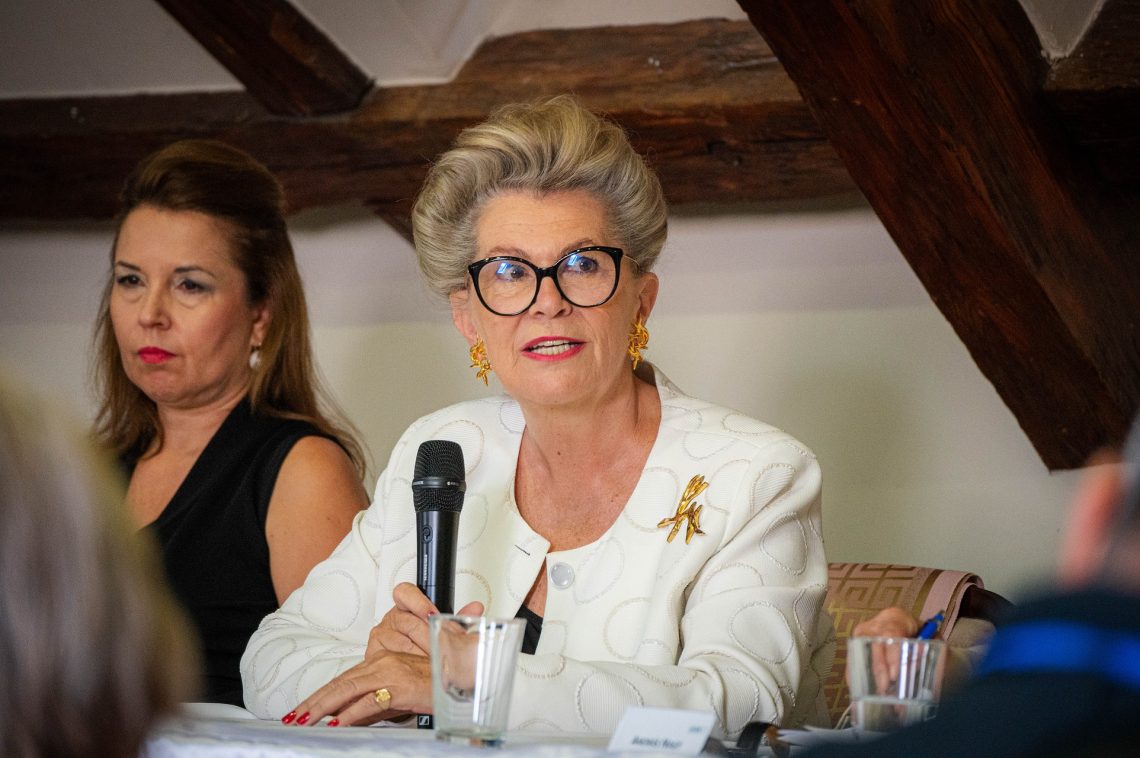
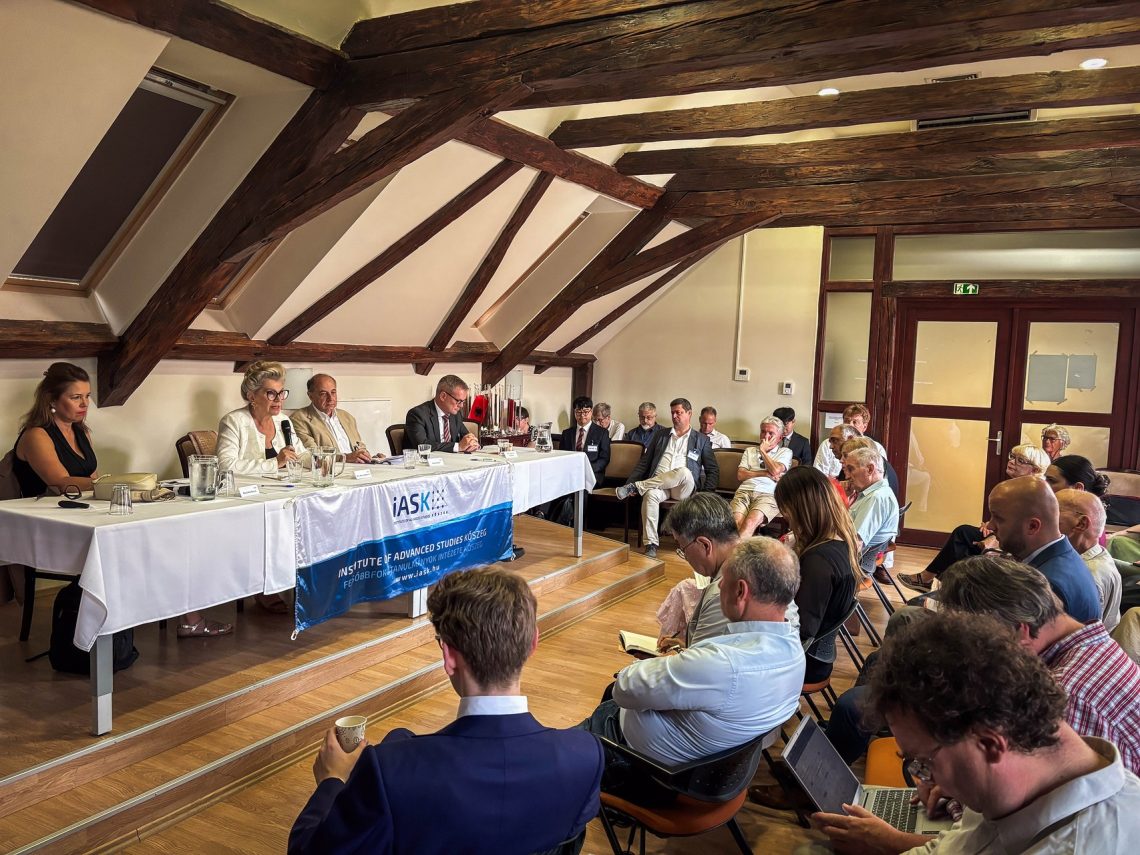
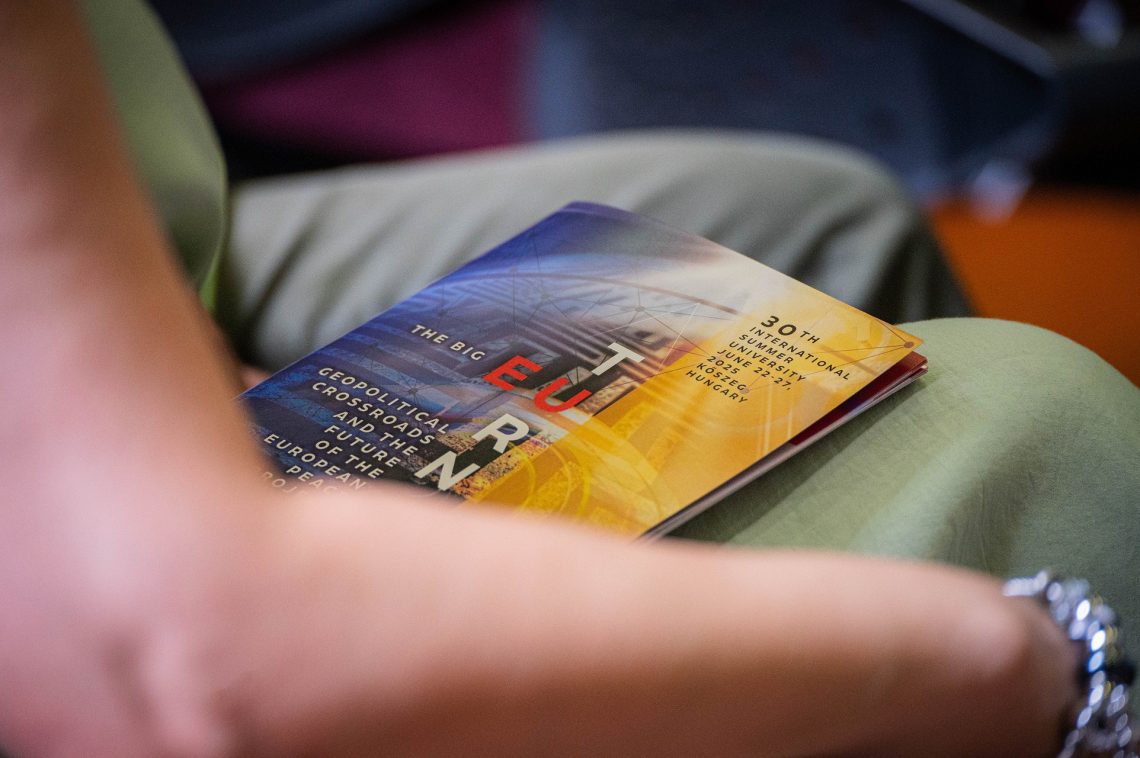
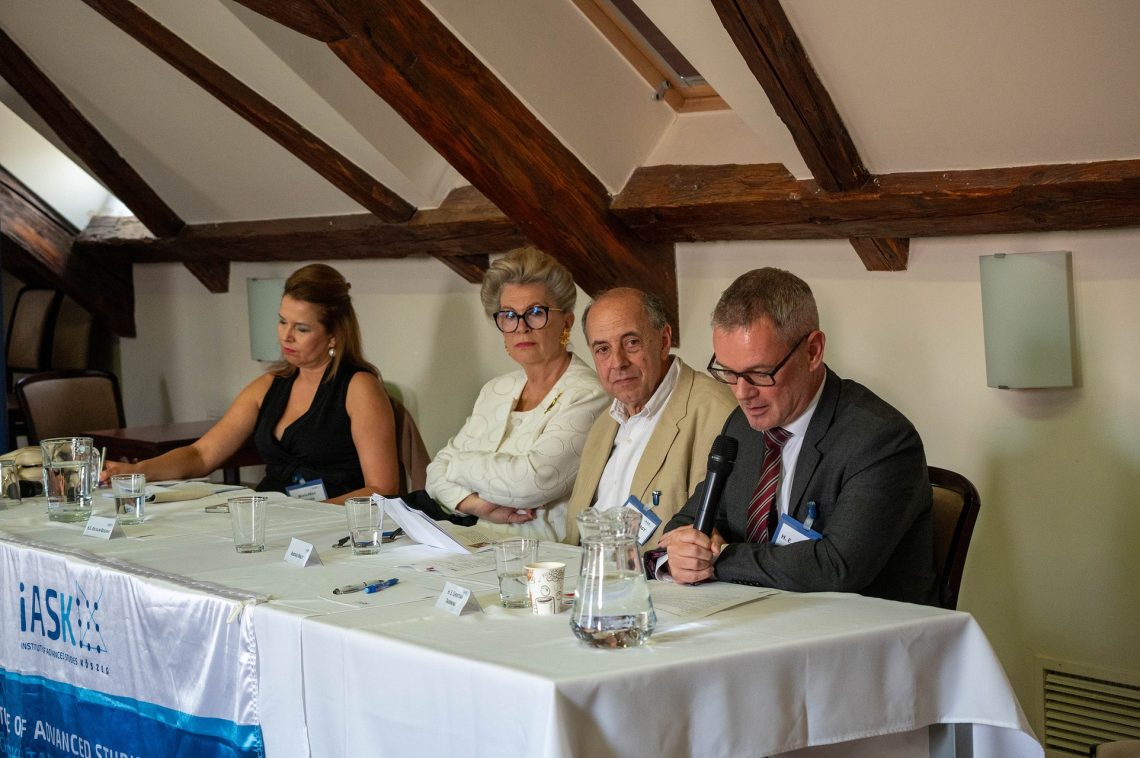
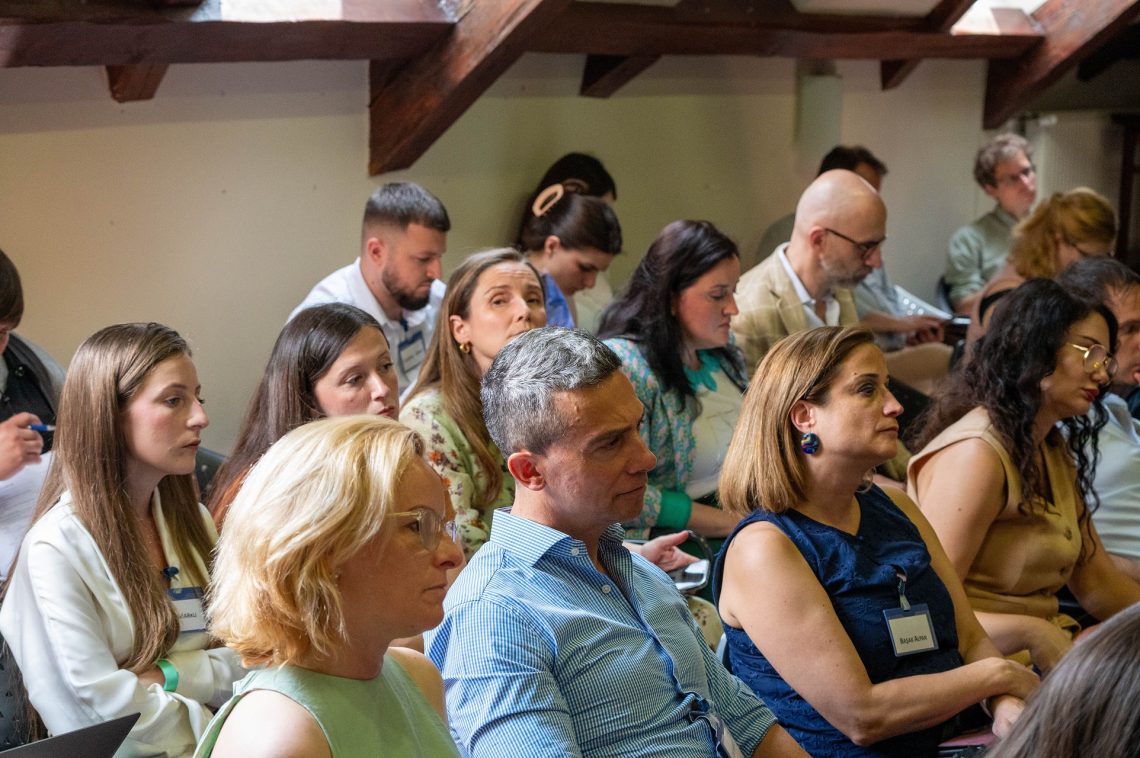
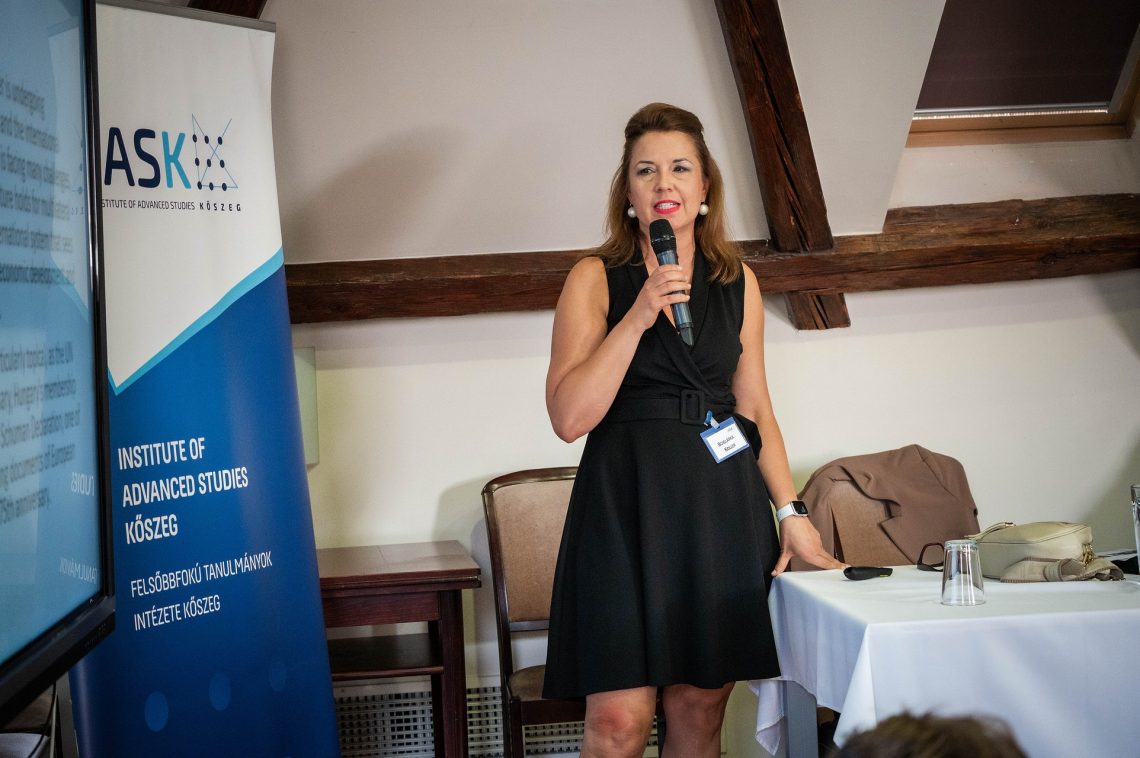
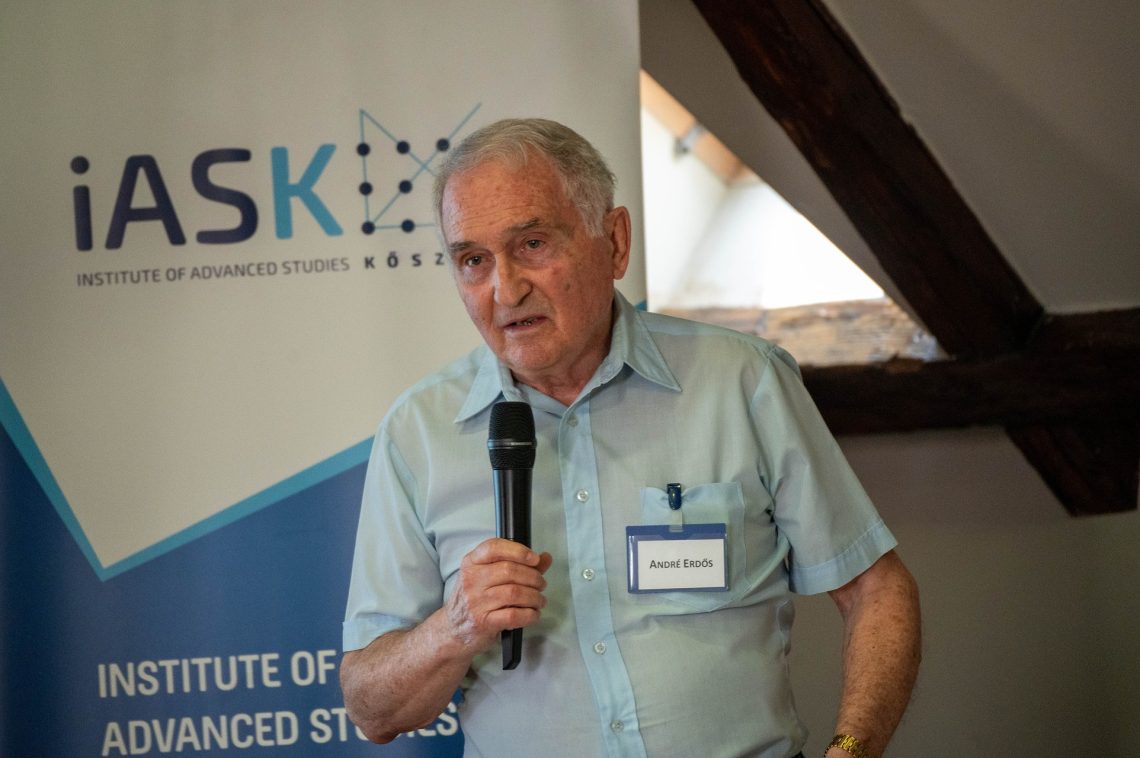
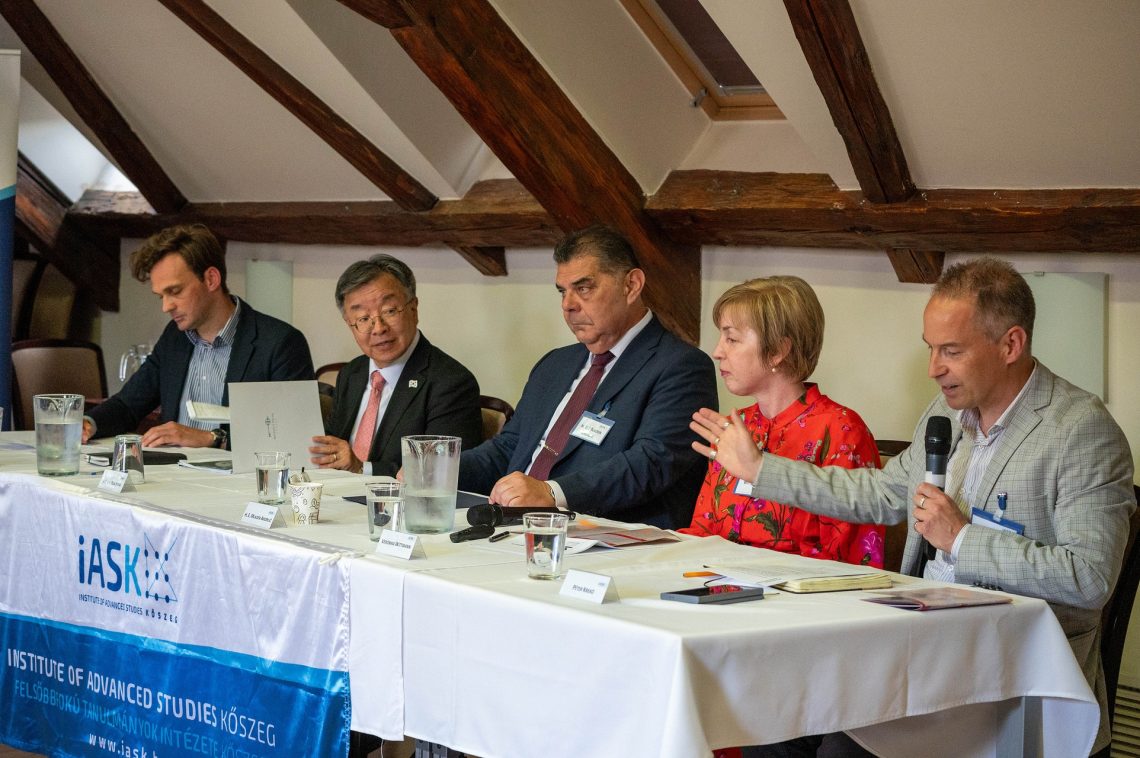
More photos are here:
https://photos.iask.hu/mo/sharing/Ncy7gxqse
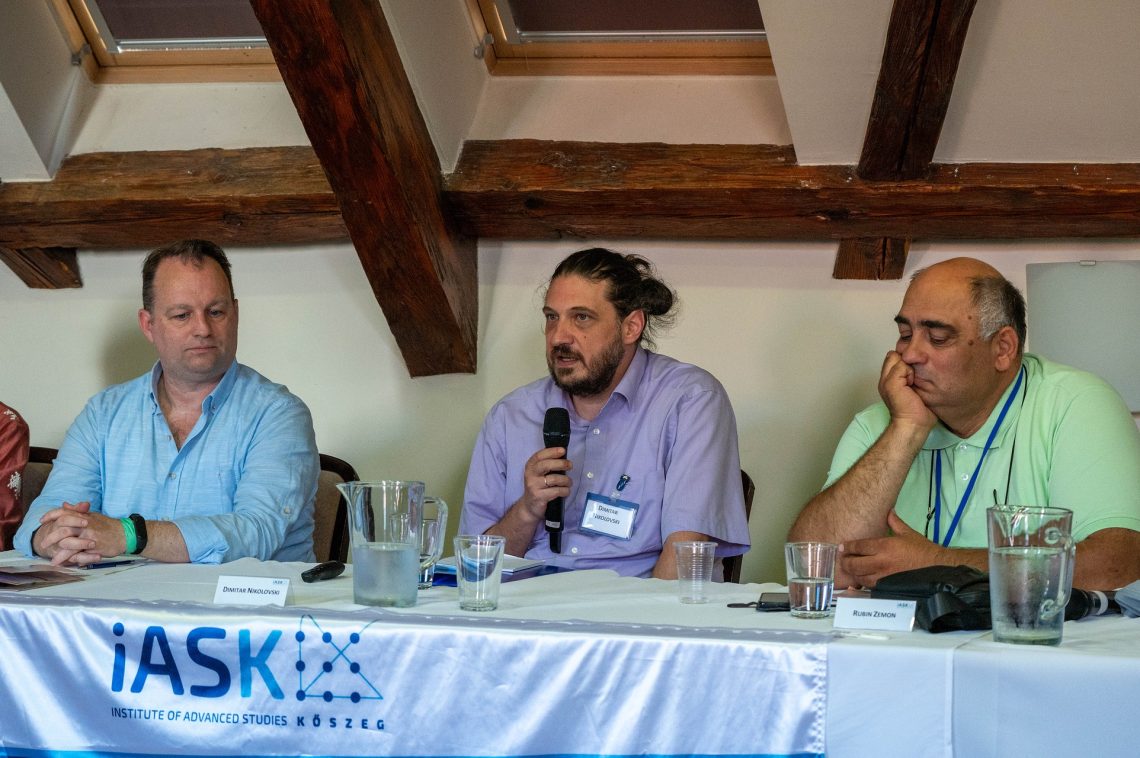
A powerful day of dialogue and reflection centered on the Balkans — its challenges, transformations, and political futures.
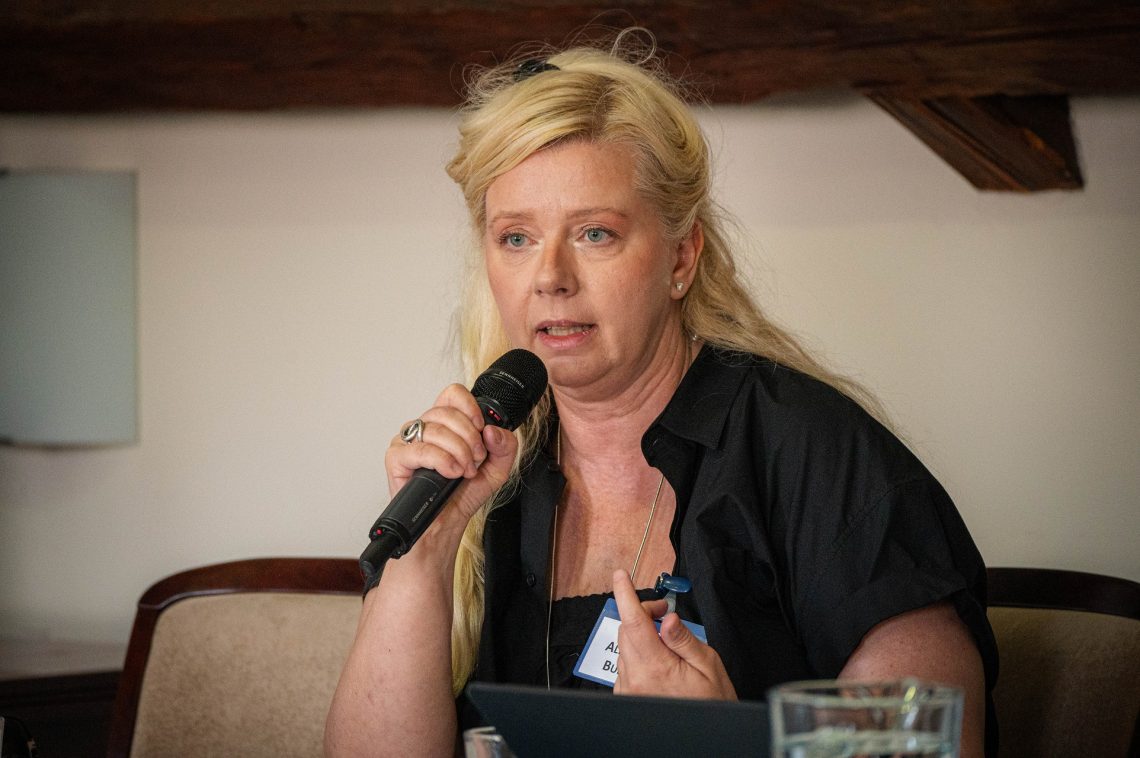
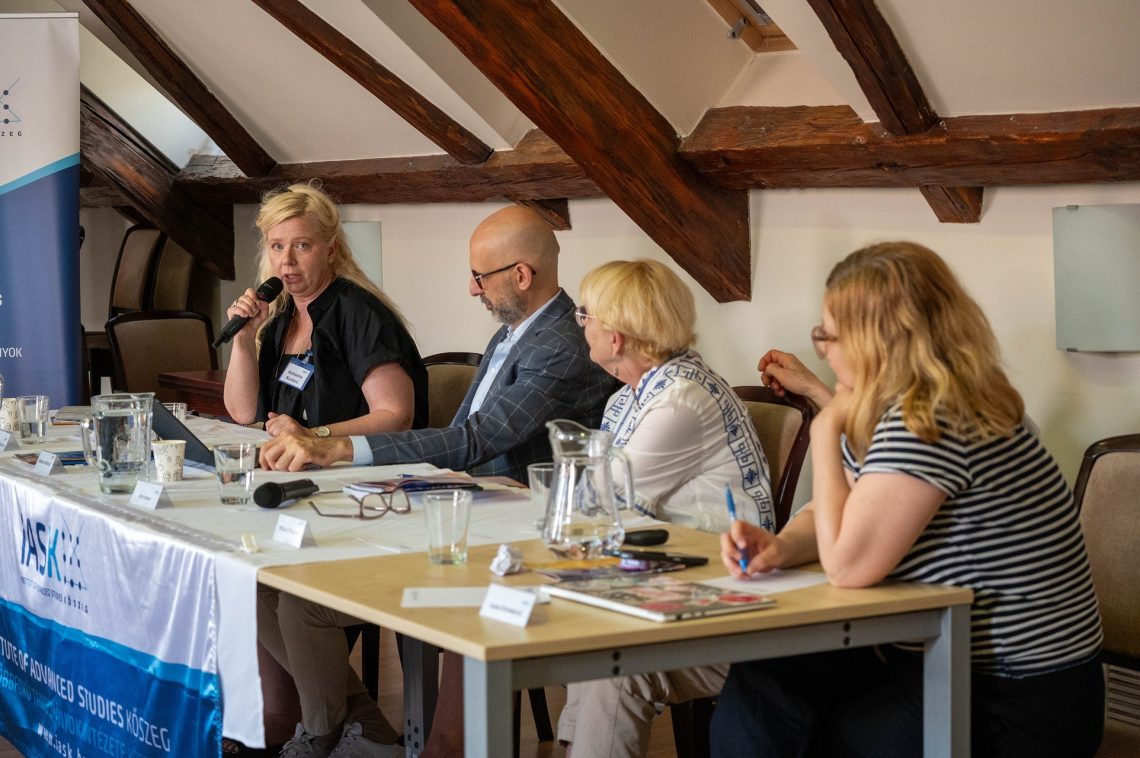
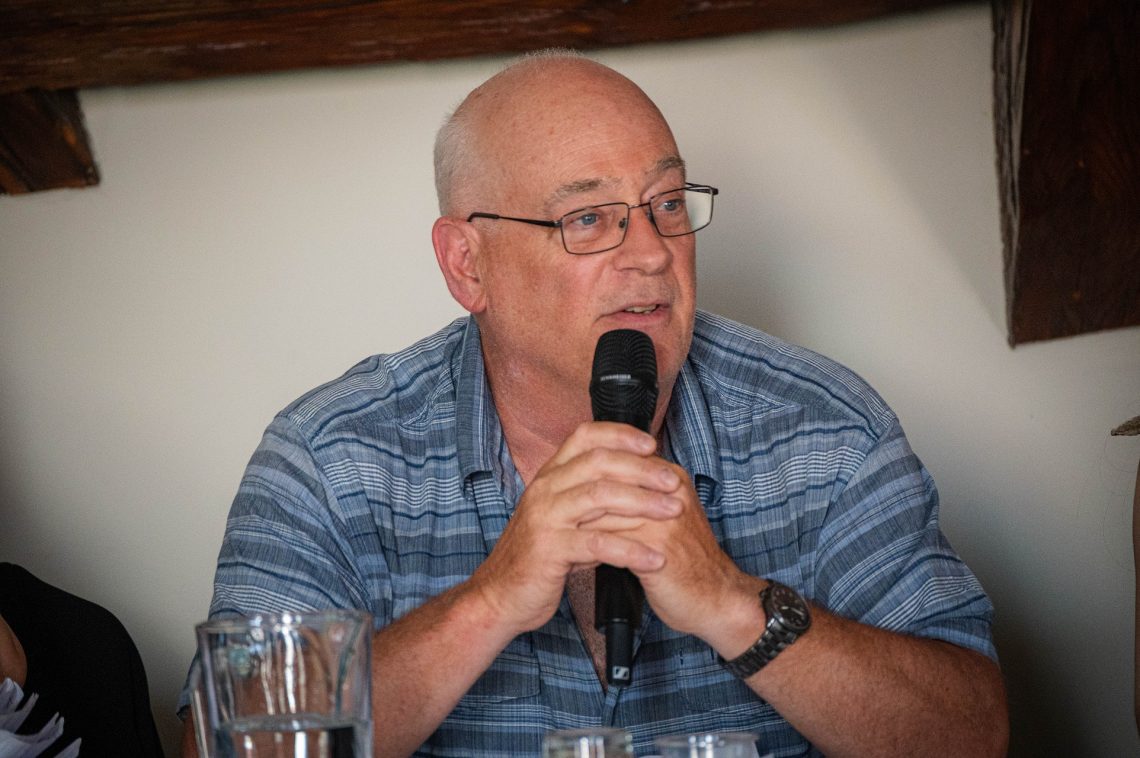
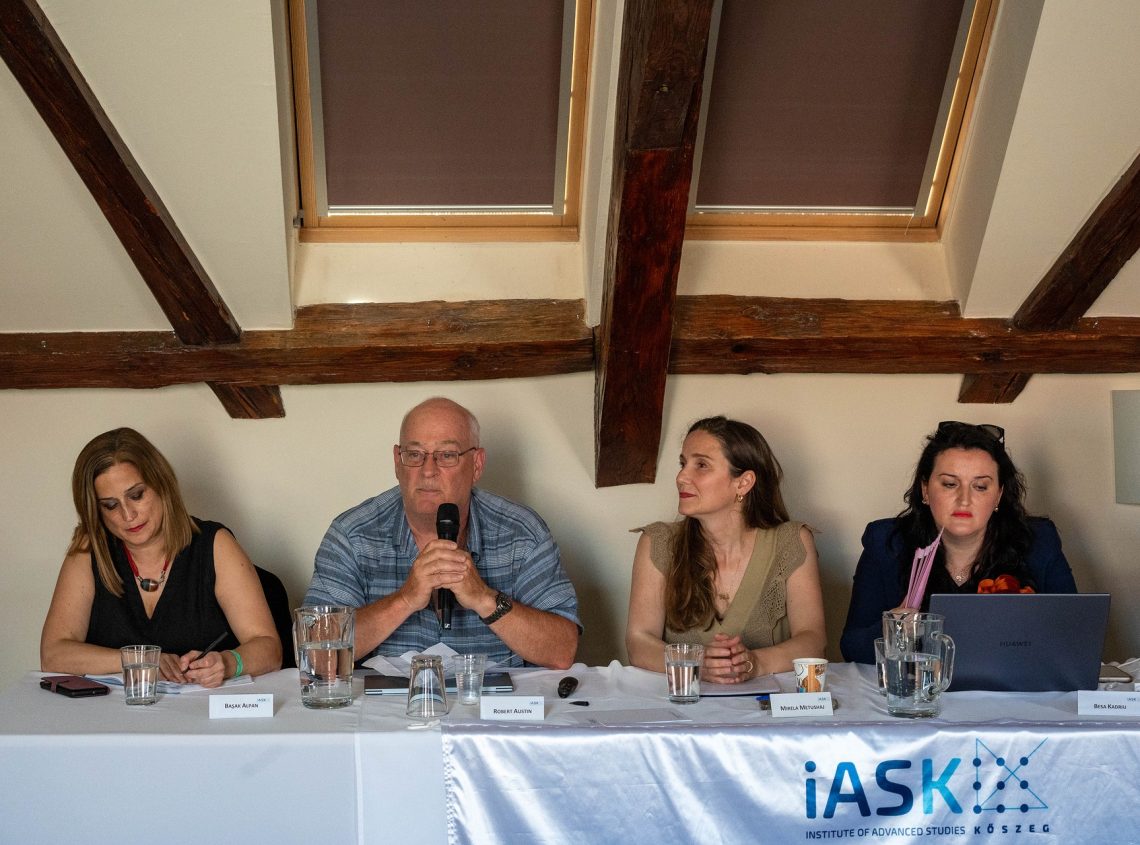
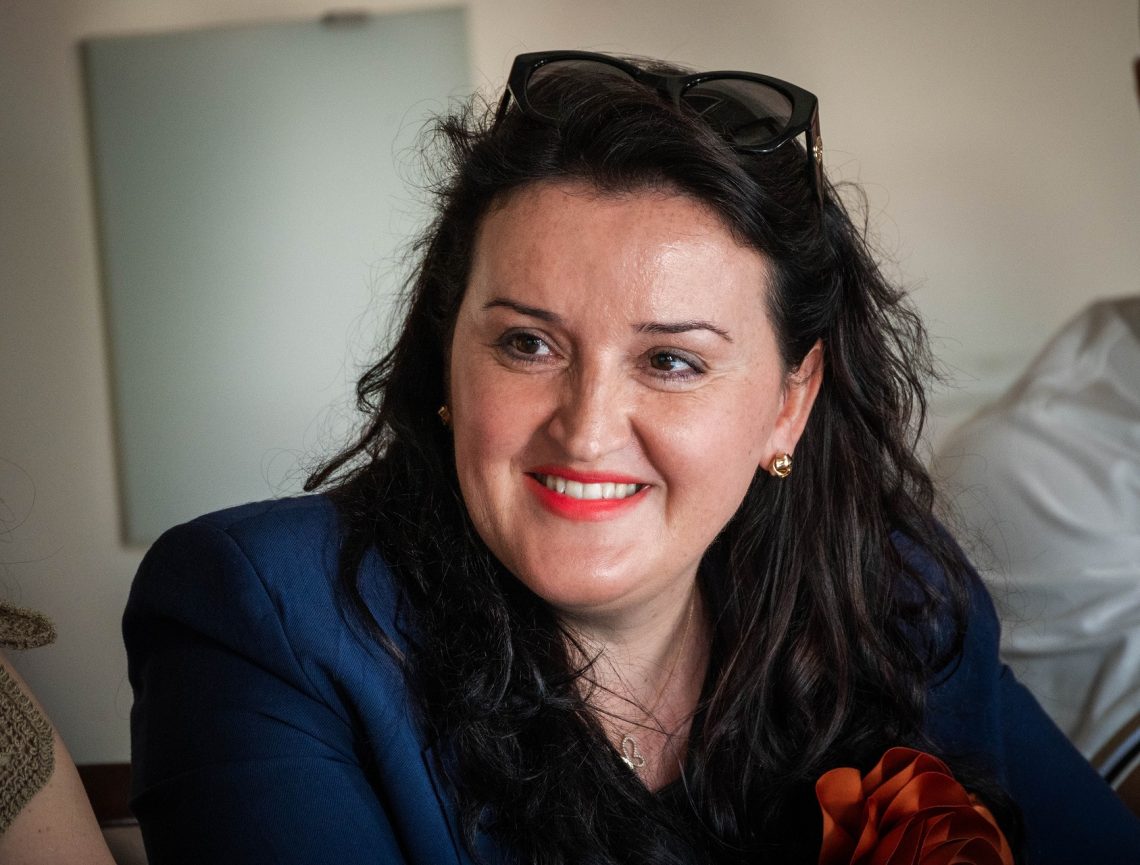
The day opened with “Beyond the Barricades”, a panel on civic imagination and resistance in Southeast Europe, spotlighting grassroots activism across the region.
“Pivotal Choices for 2030” explored the prospects of EU enlargement in the Western Balkans amid shifting geopolitical realities.
Finally, “Rethinking Political Imaginaries” offered critical insights into how the Balkans navigate continuity and change in an era of uncertainty.
The day concluded with a stirring speech by Bishop Asztrik Várszegi and a festive liturgy in honor of St. John the Baptist, followed by a scenic walking tour of Kőszeg.
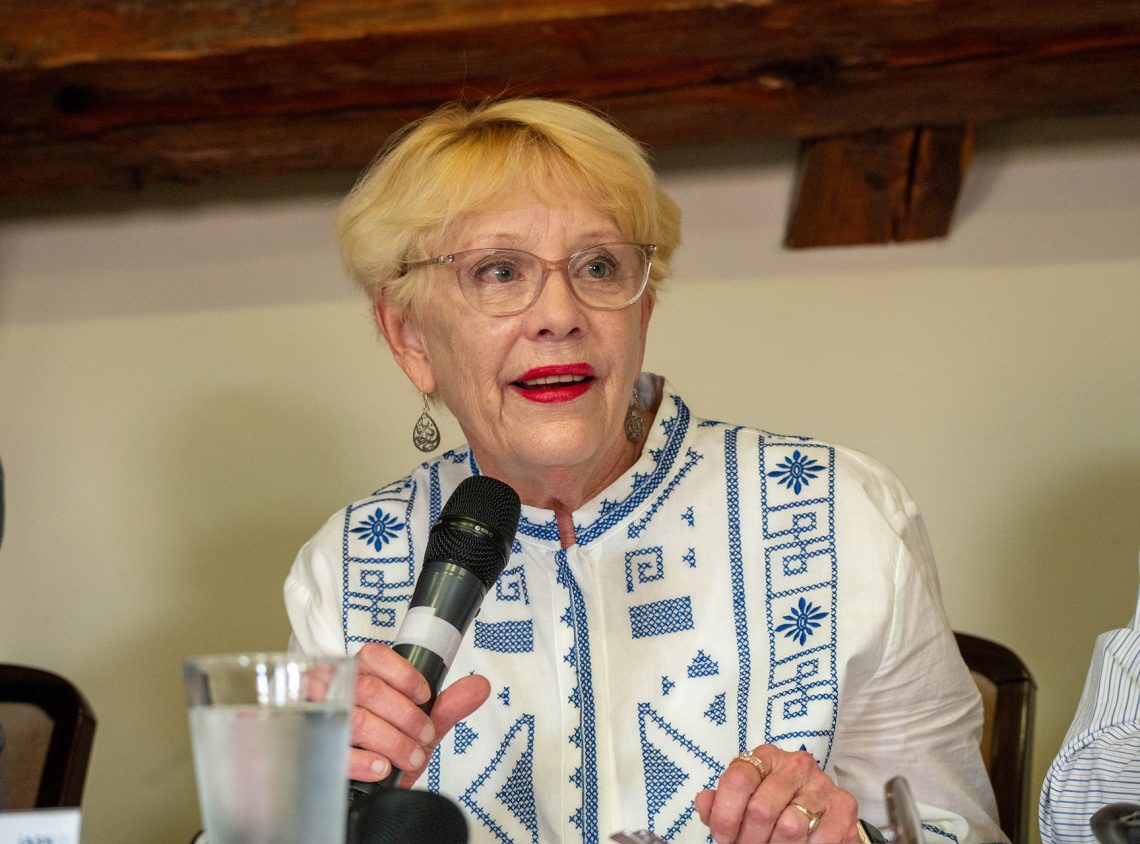
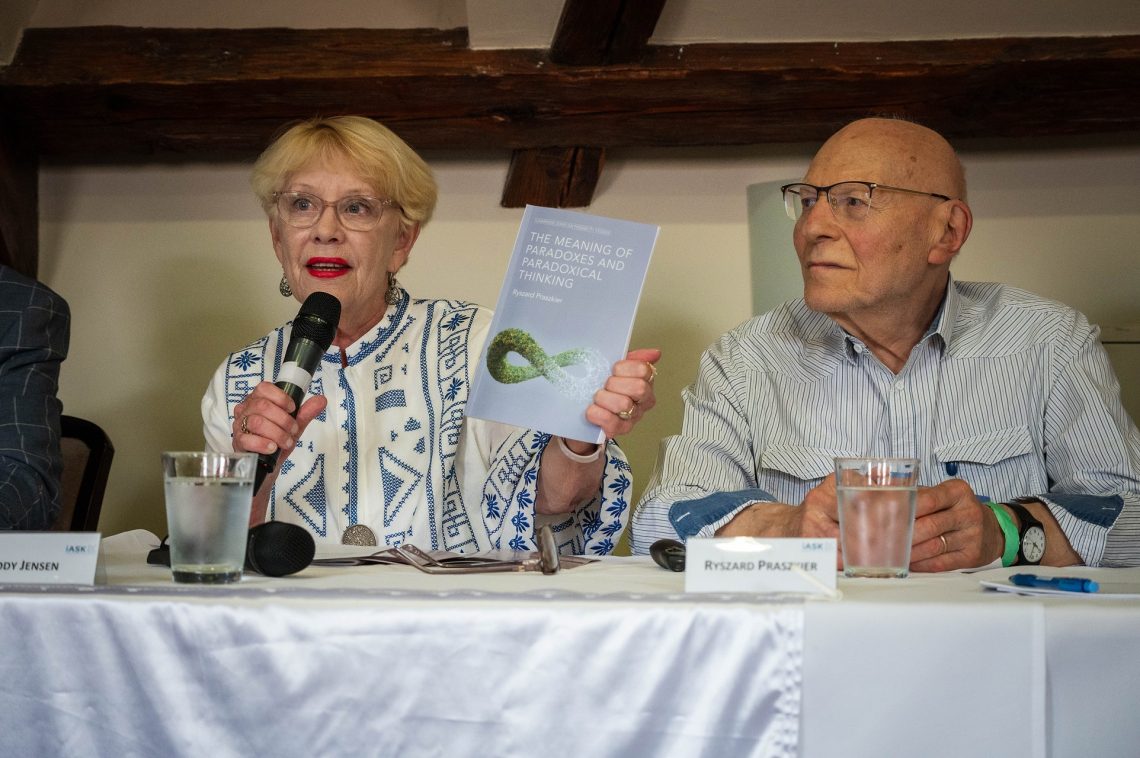
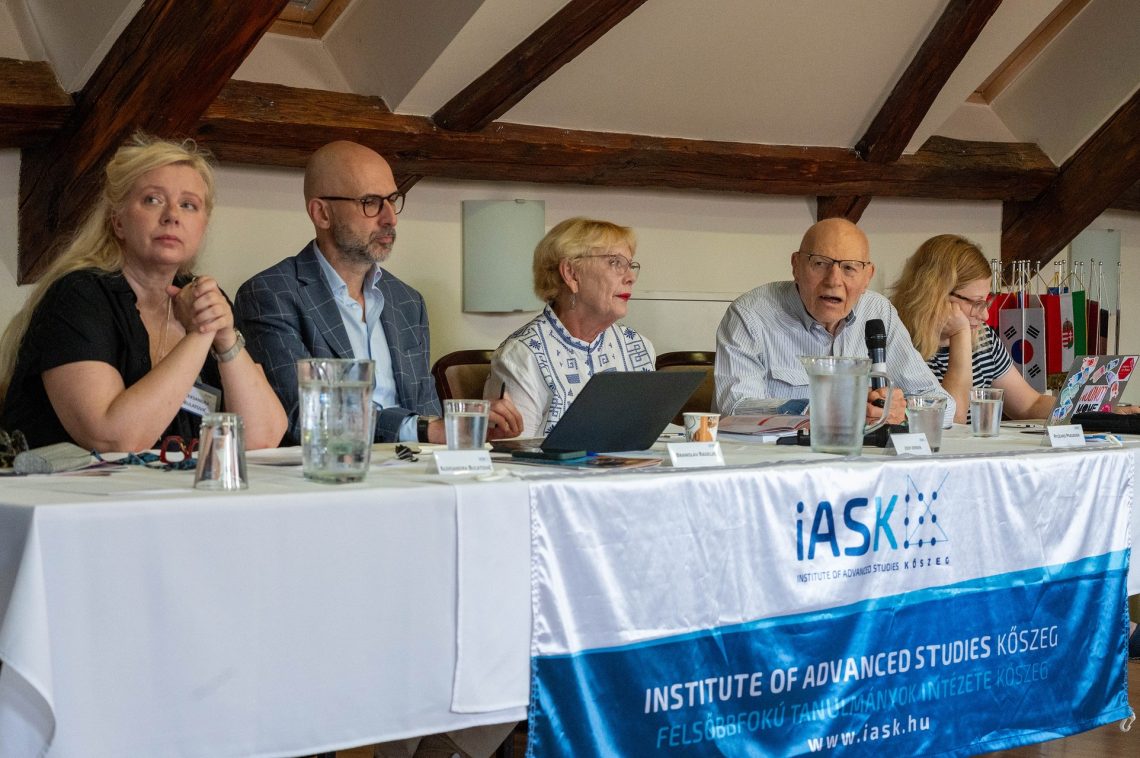
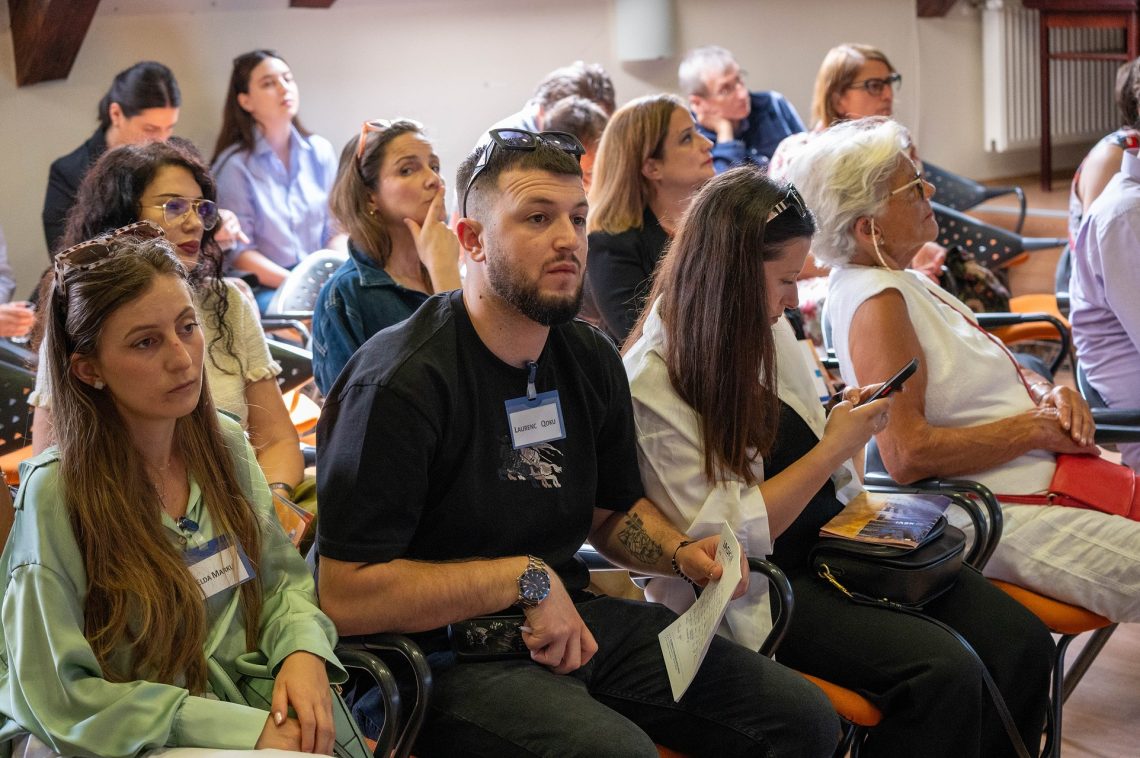
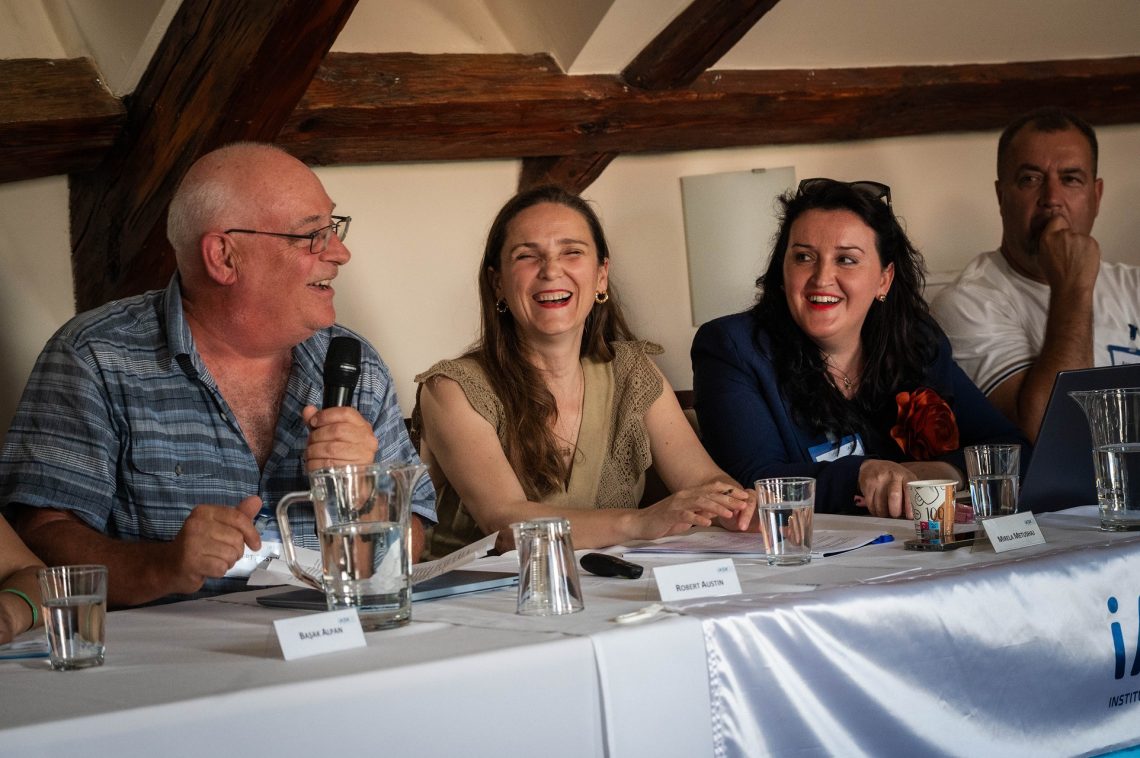
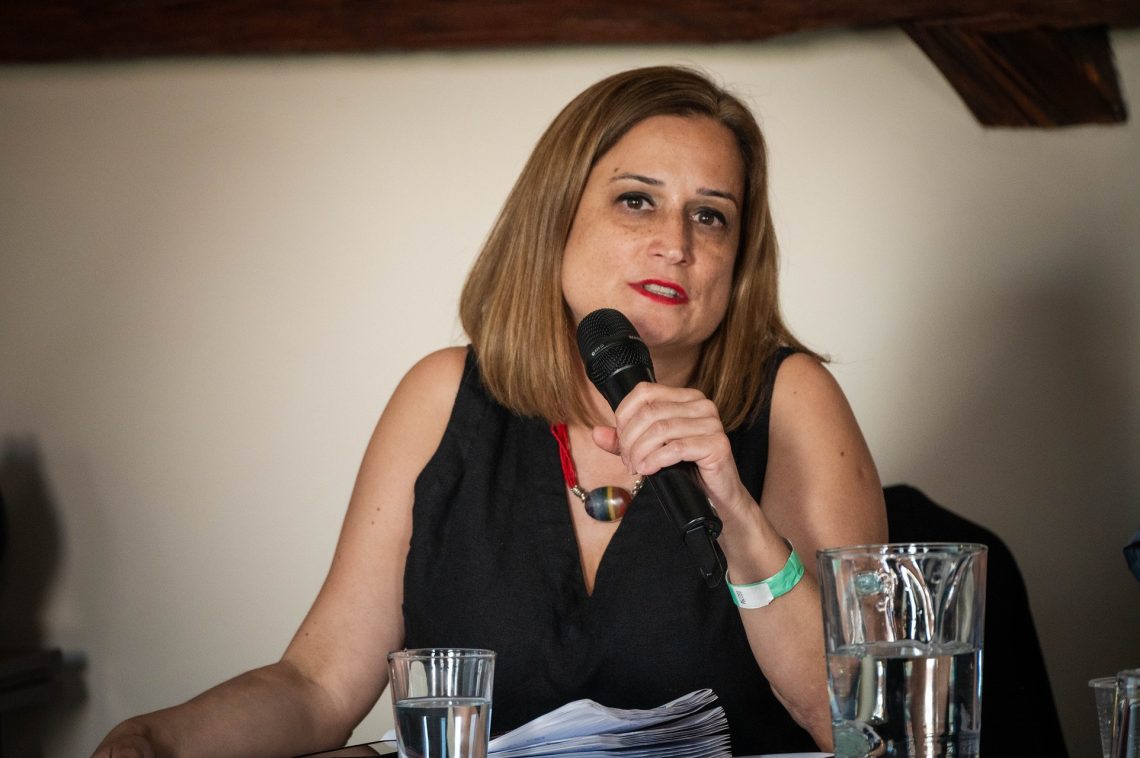
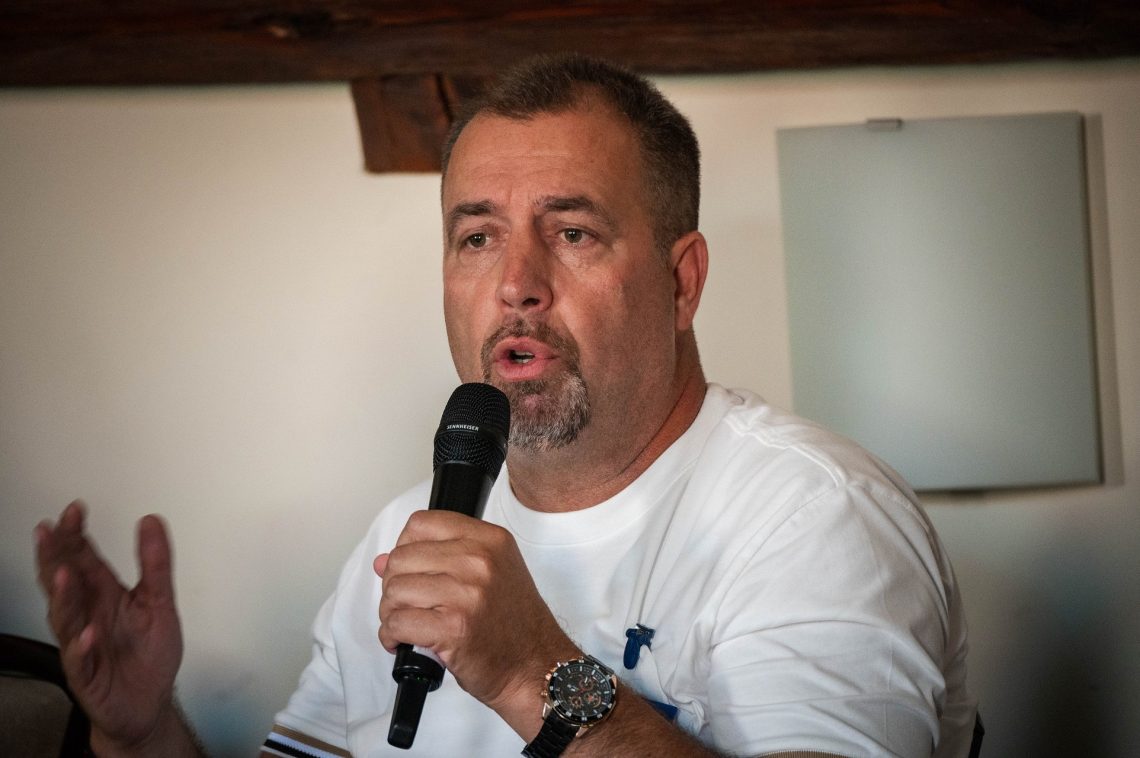
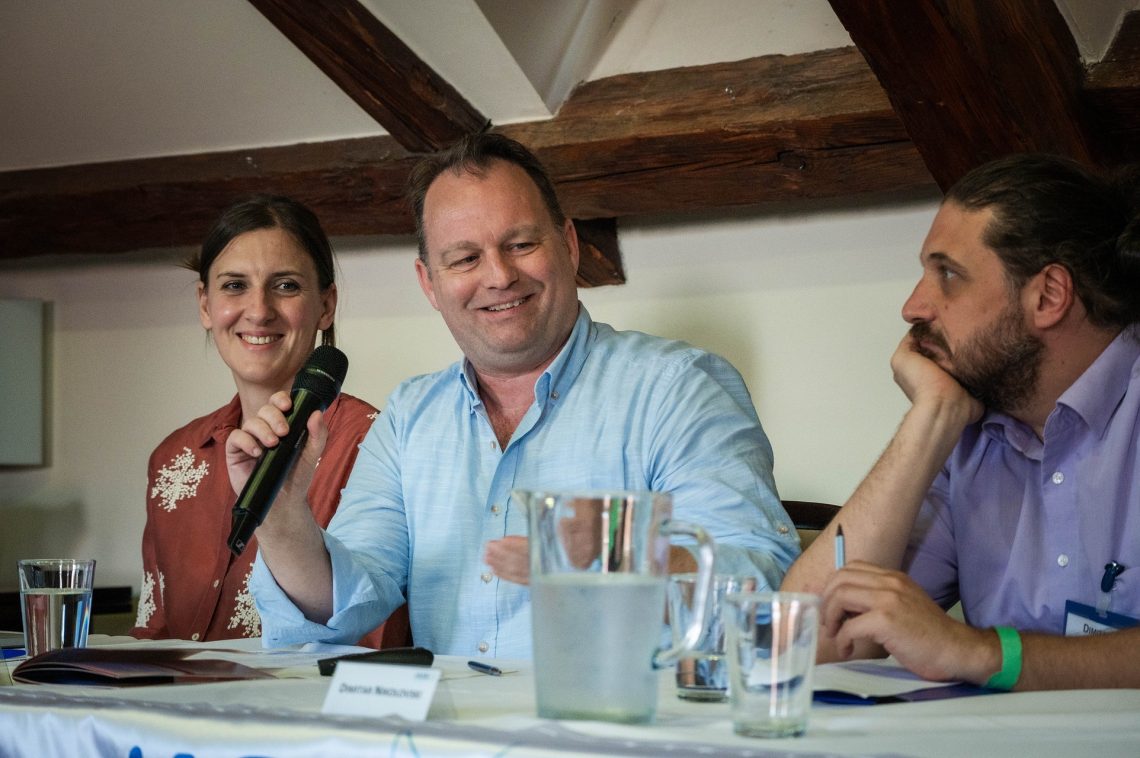
Photos:
https://photos.iask.hu/mo/sharing/mZ6xMLTDE
Photos: Gergely Lipi/iASK