Research & Studies

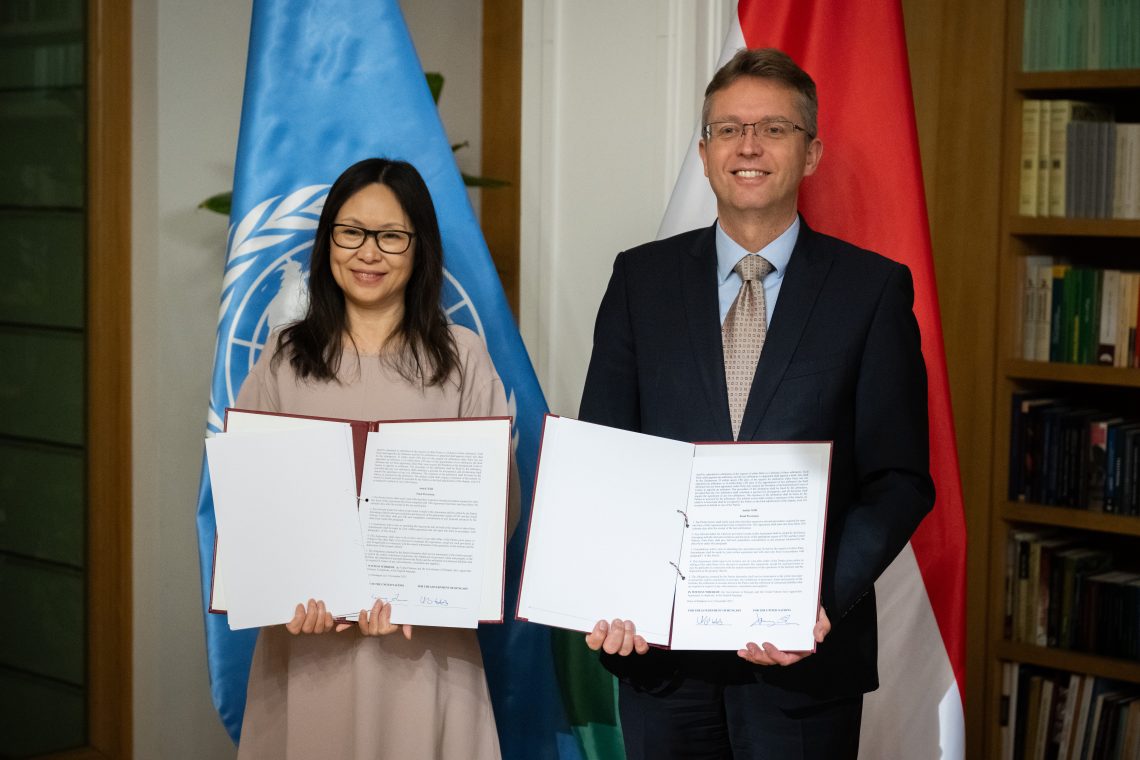
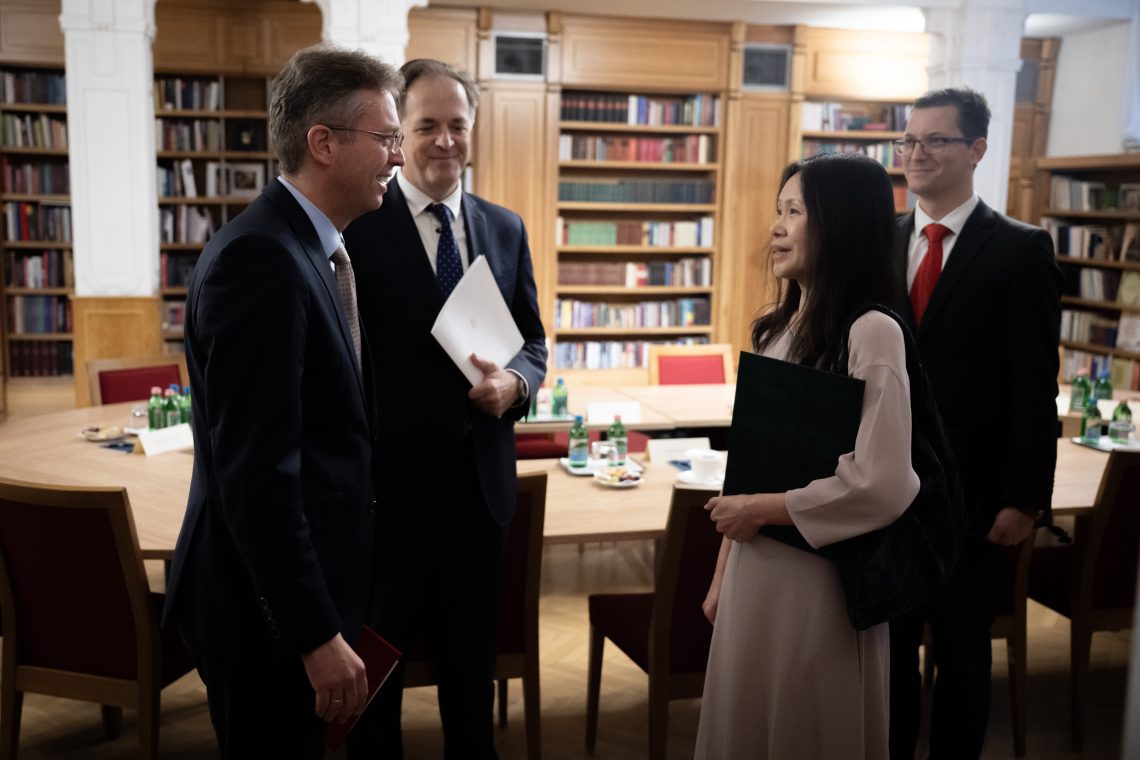
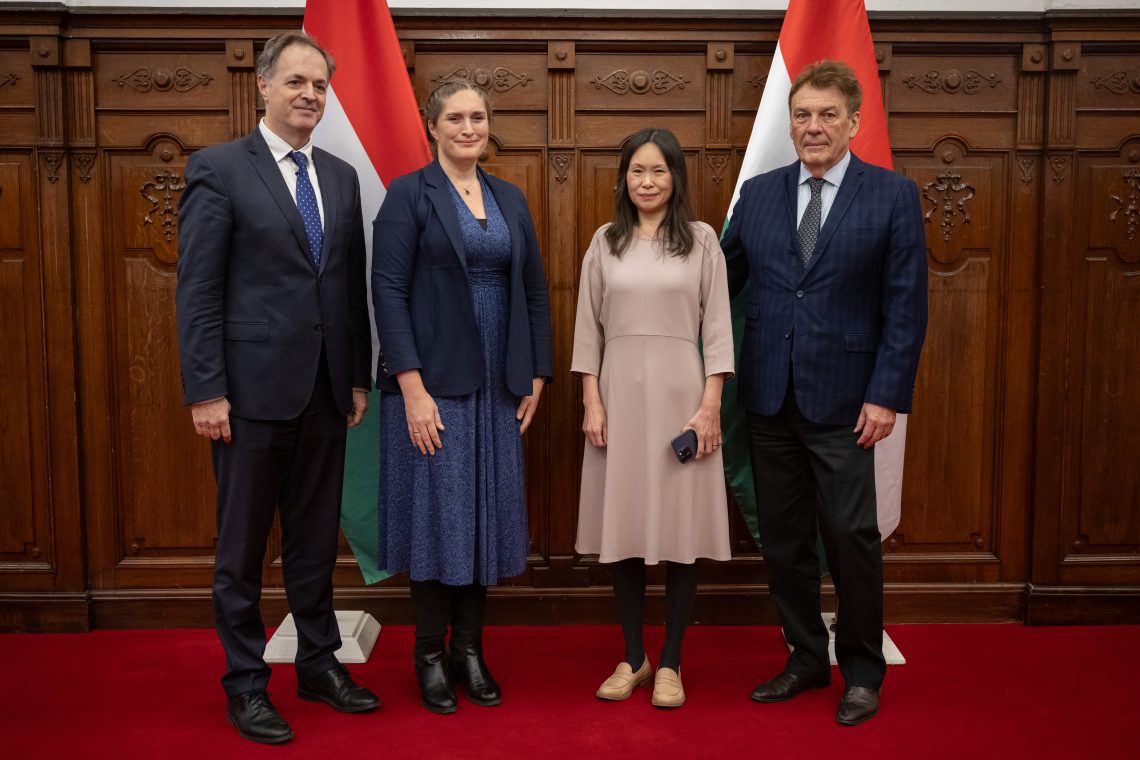
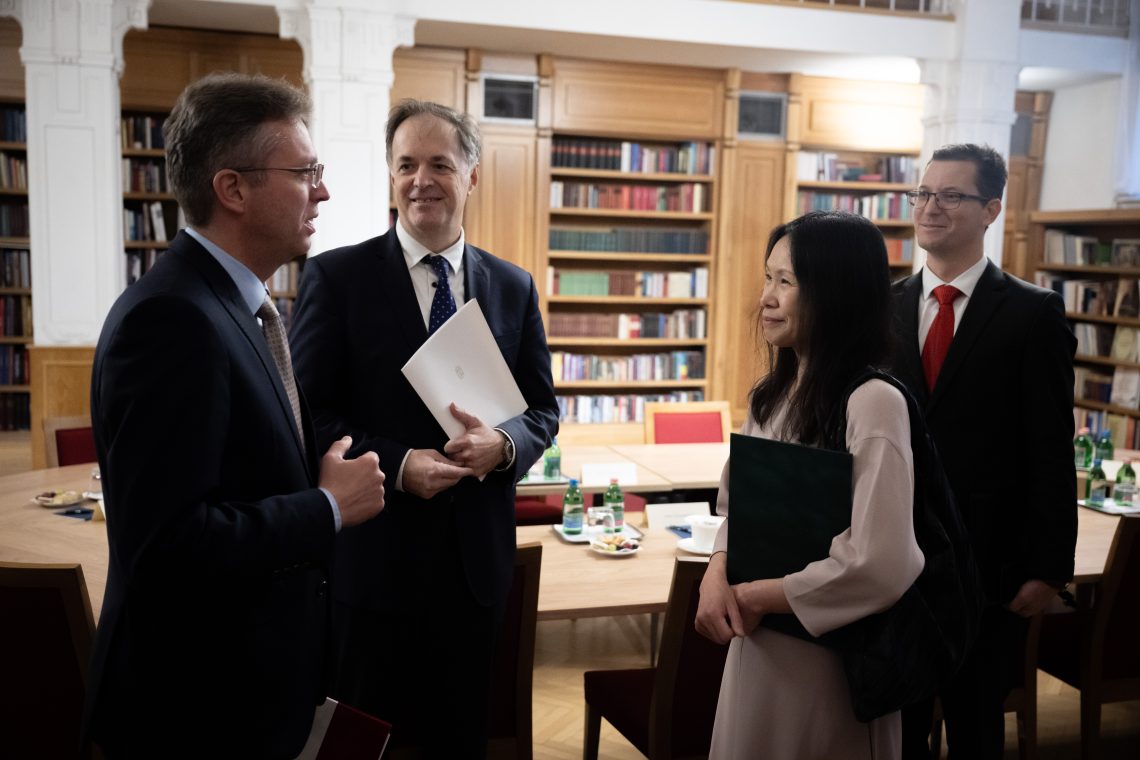
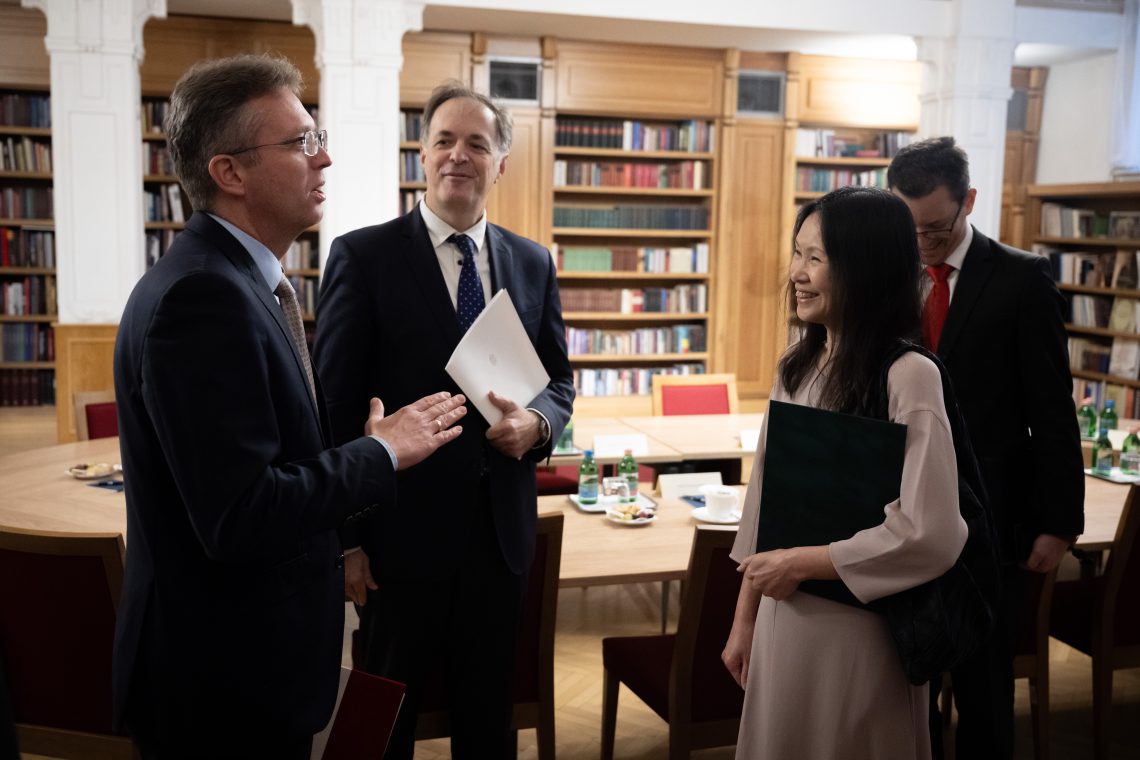
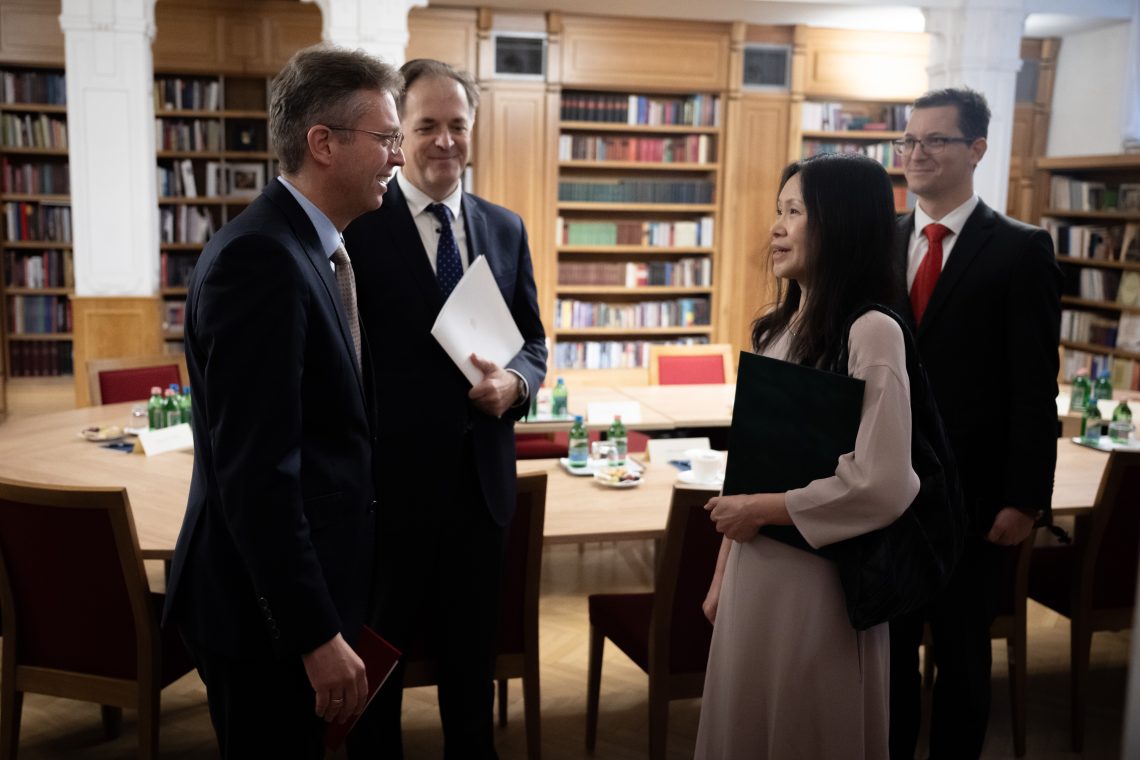
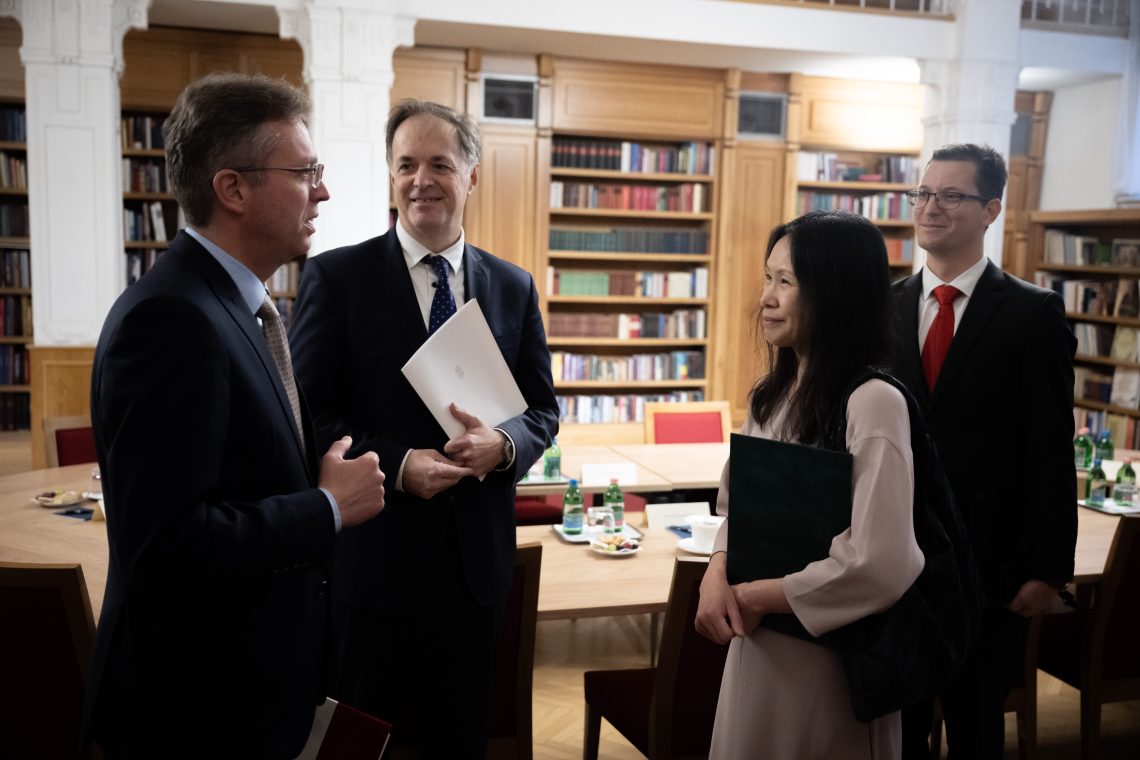
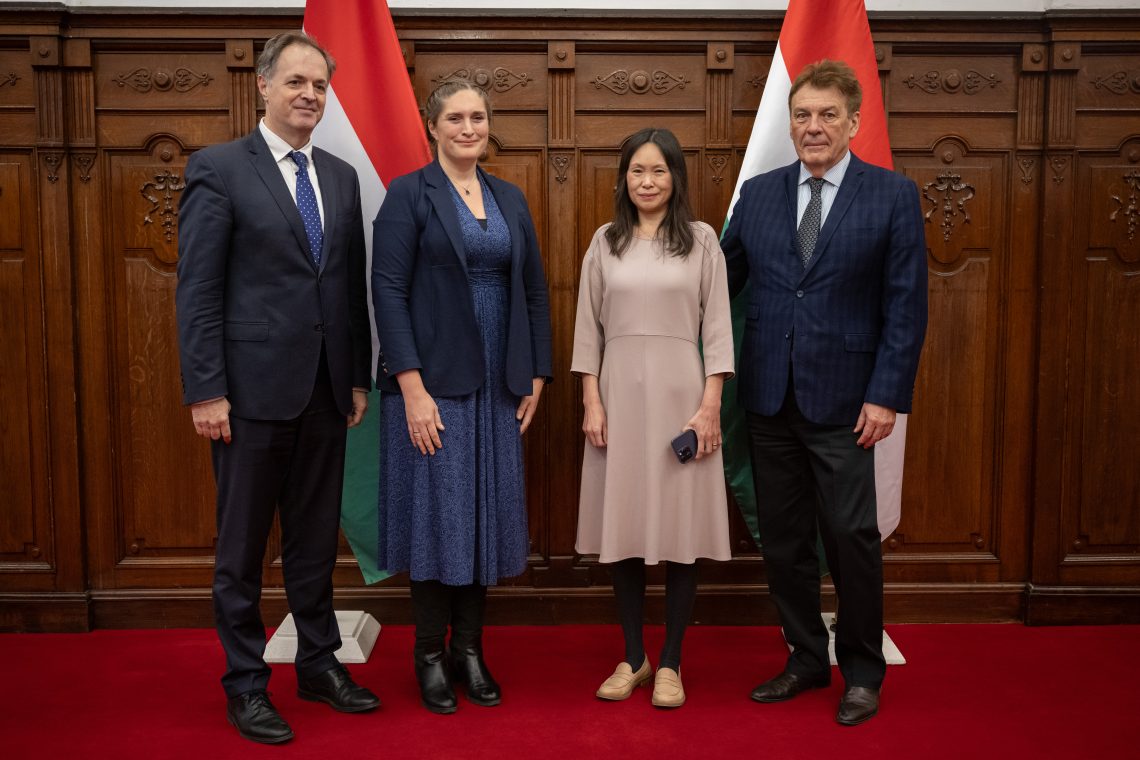
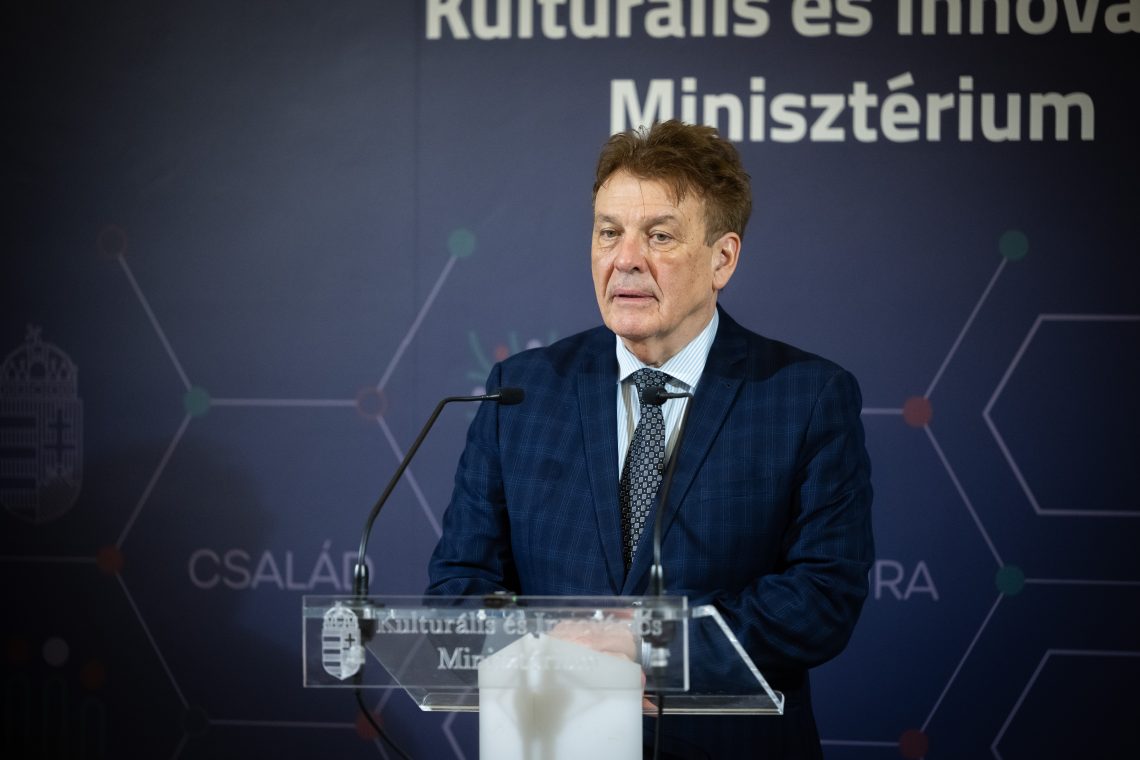
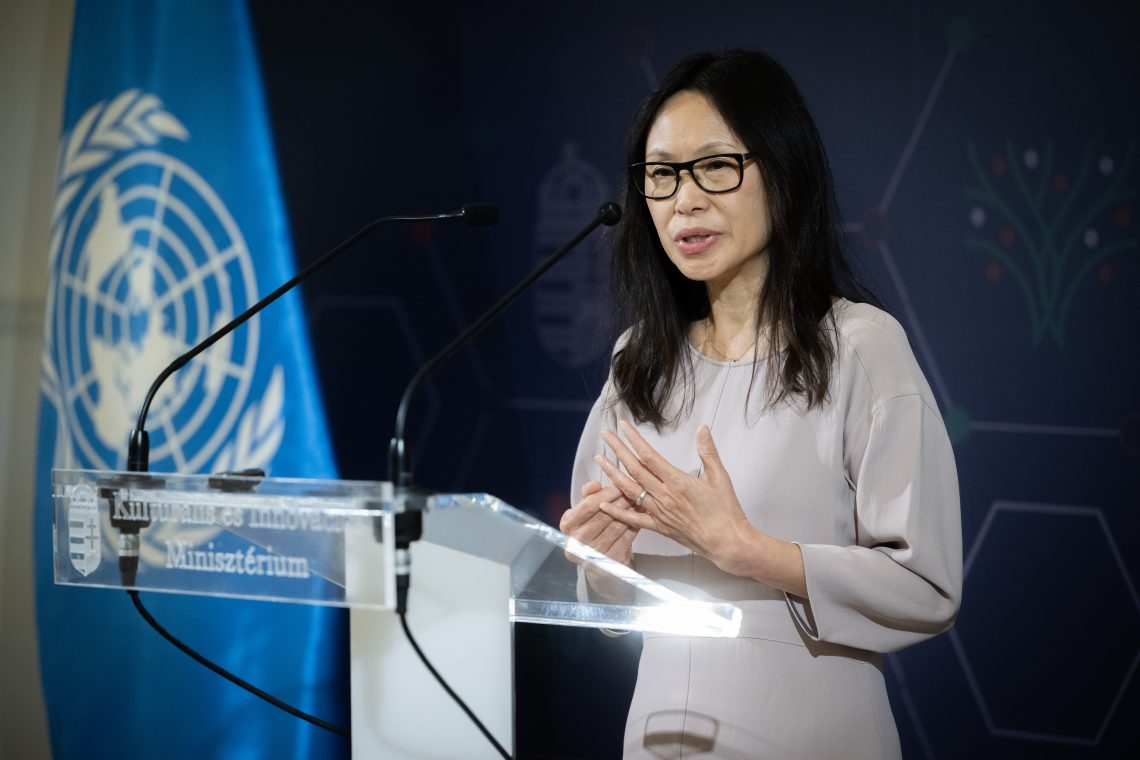
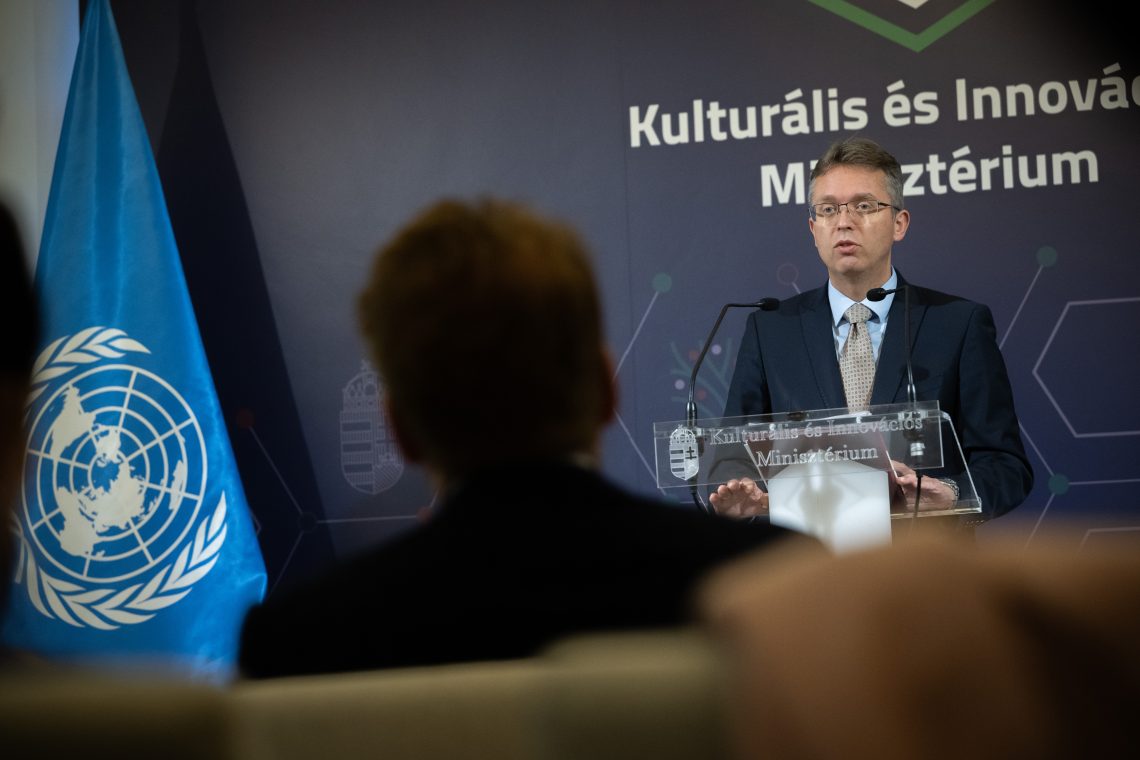
The Government of Hungary and the United Nations University (UNU) have signed a host country agreement in a formal ceremony, which officially states that a new education and research institute of the United Nations University will be established in Kőszeg, Hungary, initiated and partnered by the Institute of Advanced Studies Kőszeg (iASK). Hungary was represented by Balázs Hankó, Minister of Culture and Innovation, and the United Nations University by Prof. Shen Xiaomeng, Vice-Rector.
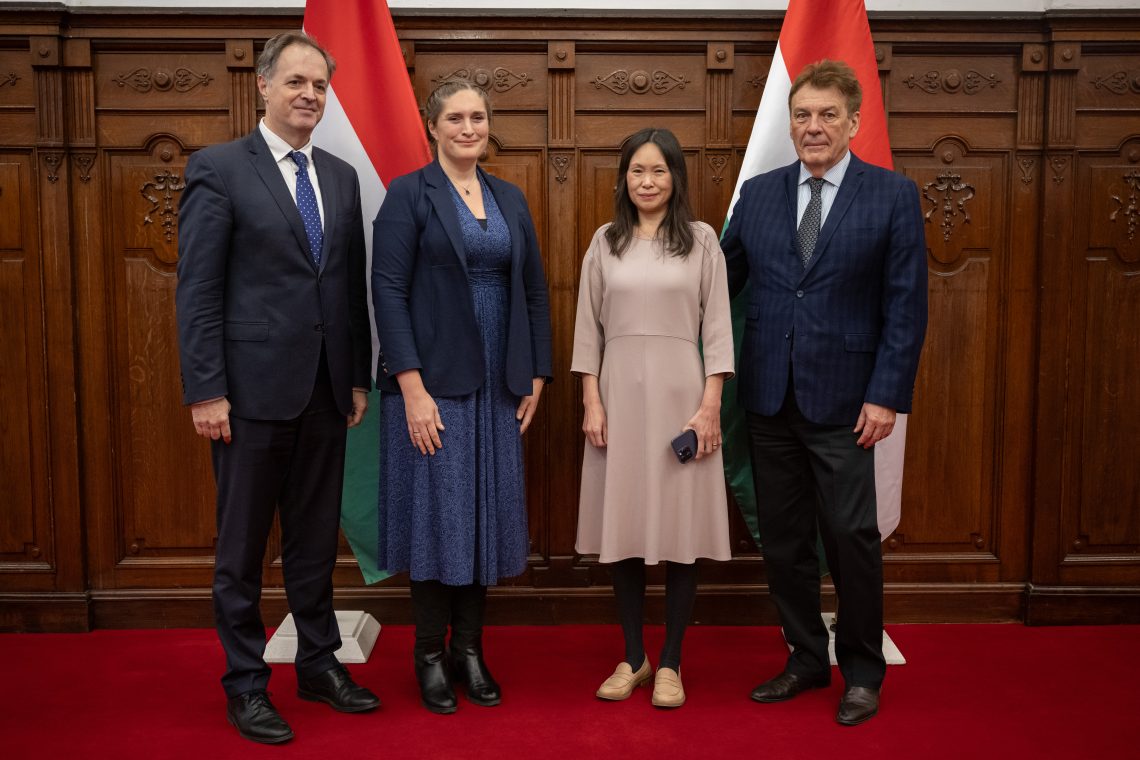
The first UN University Institute to be established in the former Eastern Bloc will operate as a unique academic center focusing on comprehensive, interdisciplinary research into global challenges and the development of practical responses to them. It will focus on examining the causes of war, the conditions for lasting peace, human security, and the interrelationships between transformative technologies, including artificial intelligence, biotechnology, nanotechnology, and neurotechnology. The UNU institute in Kőszeg will therefore seek to answer the question of whether humanity will be able to formulate, accept, and implement the outlined global transformation processes as a series of more or less peaceful and sustainable transitions, with the peaceful resolution of conflicts that arise in the meantime, primarily in the global south, especially in the Balkans and the South Caucasus.

The United Nations University is not a traditional higher education institution: its aim is to translate scientific research into policy recommendations, thereby actively supporting decision-making at the international level. It also offers postgraduate and doctoral programs, helping to prepare the next generation to tackle complex global challenges.
The establishment of the Kőszeg institute is the result of a four-year preparatory process. The initiator of the idea, iASK, is an interdisciplinary research institute that combines science with art. The research program of the new UNU institute fits in well with the existing research portfolio of the Kőszeg-based international knowledge center, iASK. Through its flagship project, the KRAFT (Creative City – Sustainable Region) program, iASK has created the infrastructure necessary for its operation. iASK’s multidisciplinary research portfolio and regional development experience provide a solid foundation for successful implementation.
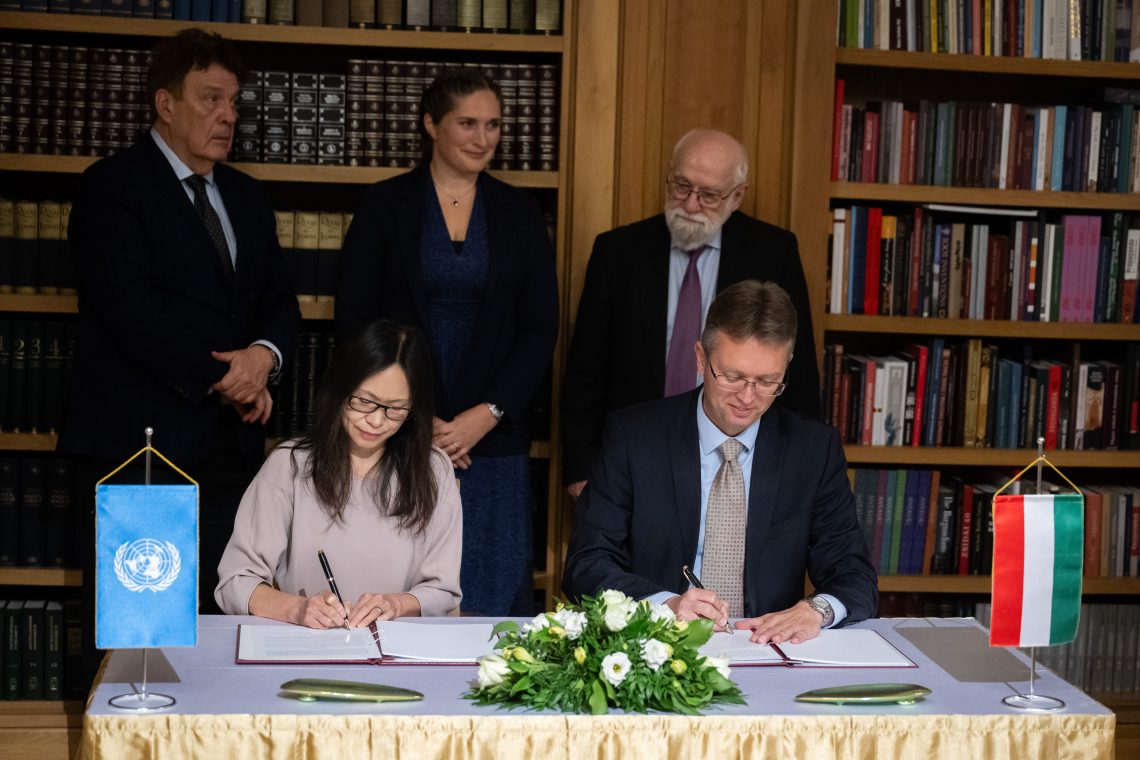
In March, UNU Rector Prof. Tshilidzi Marwala appointed a five-member international expert panel (the Scoping Panel Team) with the task of preparing a feasibility (or scoping) study for the proposed UNU Institute in Kőszeg, Hungary. The panel completed its task on time, and at its meeting on June 3, 2025, the UNU Council gave a positive assessment of the Scoping Panel Team’s report and authorized the UNU Rector to work with the Hungarian Government to develop the next steps for establishing the new UNU Institute: securing financial support and concluding the official host country agreement and other related agreements.
The following individuals contributed significantly to the success in Kőszeg: iASK Director General Ferenc Miszlivetz; Prof. Dr. János Bogárdi, chair of the working group responsible for establishing the UNU Institute in Kőszeg; Prof. Dr. Jody Jensen, head of the iASK Balkan Observatory Research Group; Sean Cleary, diplomat, former ambassador, delegate of the Hungarian Government; Dr. Elira Luli, Associate Professor of Sociology at the University of Tirana; Prof. Dr. Szabolcs Márka, Professor of Physics at Columbia University; Prof. Dr. Zsuzsa Márka, Researcher at the Columbia University Astrophysics Laboratory; Prof. Dr. Charles Vörösmarty, Professor at the City University of New York.
The establishment of the UN University Institute in Kőszeg is in line with the vision of the founders of iASK, which aims to transform Kőszeg into a leading center of knowledge and dialogue in Central Europe. By joining the international network of UN University institutes, Hungary and the Western Pannon region will become part of a global cooperation that complements and strengthens the activities of existing UNU institutes.
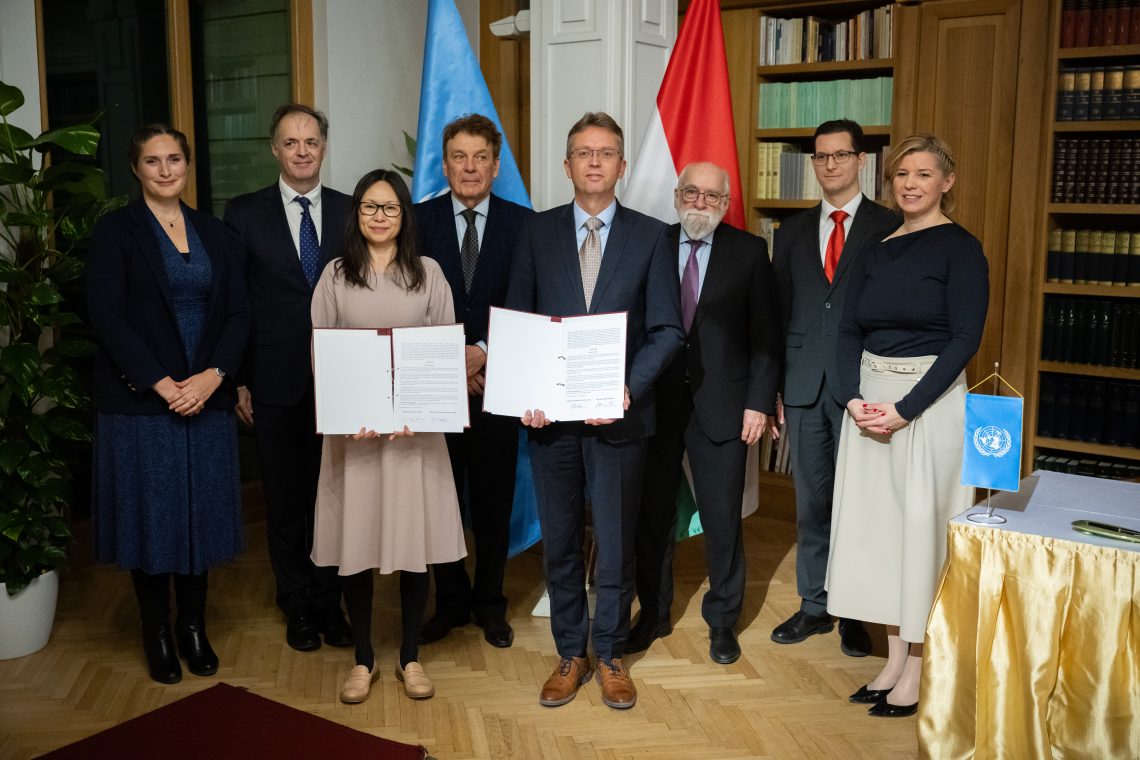
The new institute not only creates synergies with international scientific centers but also promotes regionally relevant knowledge development by involving domestic research workshops. The partnership between UNU, iASK, and the International Synergy Campus contributes to the growing international recognition of scientific institutions in Kőszeg and Hungary. Thanks to cross-border cooperation, the transdisciplinary research conducted at the institute and the new approach that iASK has been promoting in the region for a decade will become known worldwide.
The dialogue will continue at the 8th UNESCO MOST Winter School, which is preparing the research directions of the new UN University Institute in Kőszeg, where scientists, decision-makers, and civil society actors will jointly examine how lasting peace can be achieved through science, art, and education.
Photos: Ministry of Culture and Innovation