Research & Studies

For the third time, the Kőszeg Synagogue became the stage for the renowned Lockenhaus Chamber Music Festival, which once again demonstrated how powerful musical encounters can be in historical locations. As one of the festival’s selected venues, the restored synagogue welcomed the celebrated pianist Julia Hamos this year. It was an afternoon that went far beyond the concert format.
There are concerts that stay in the ear and then there are afternoons that stay with you. The most recent concert of the Lockenhaus Chamber Music Festival – Building Bridges III in the Kőszeg Synagogue undoubtedly belongs to the second category. Music by Mozart, Kurtág and Schumann was played with technical brilliance and emotional depth in the midst of the city’s Jewish heritage.
Julia Hamos, a pianist with Hungarian-American roots who herself grew up between cultures, captured the tone of a place that has seen a lot, and has now, thanks to cooperation of iASK Institute for Advanced Studies Kőszeg (iASK), once again become a center of vibrant culture.
Photos: Raphael Mittendorfer Fotografie
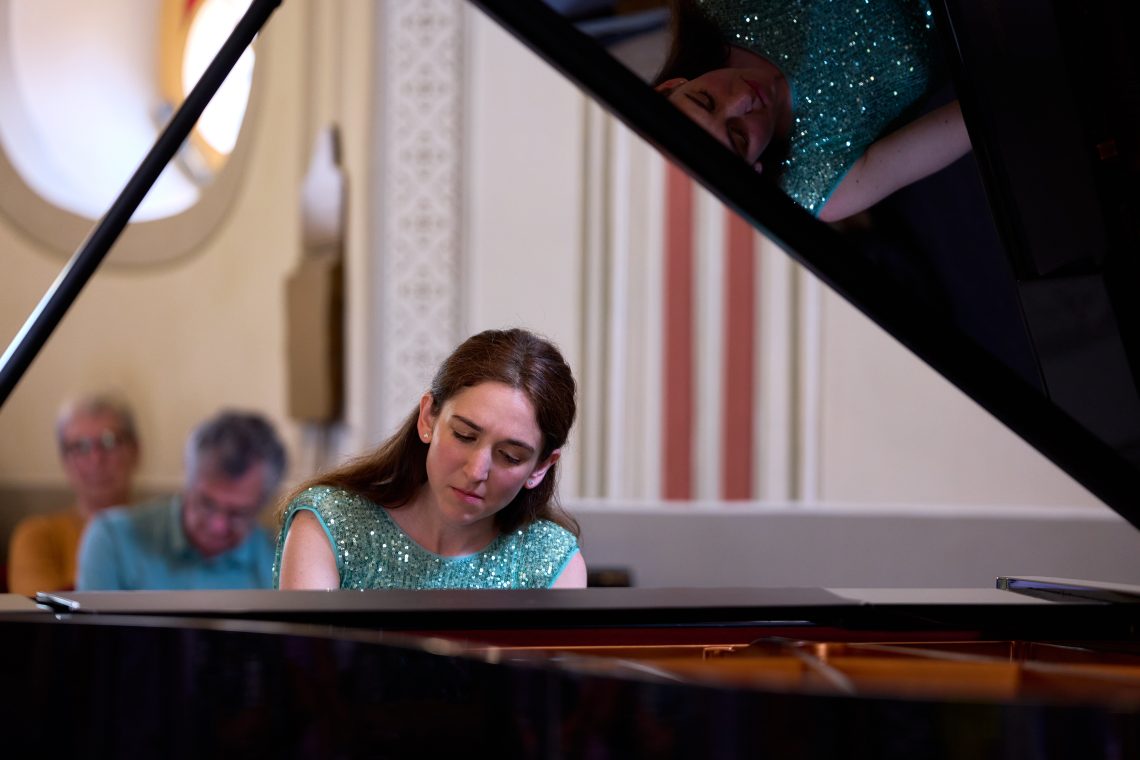
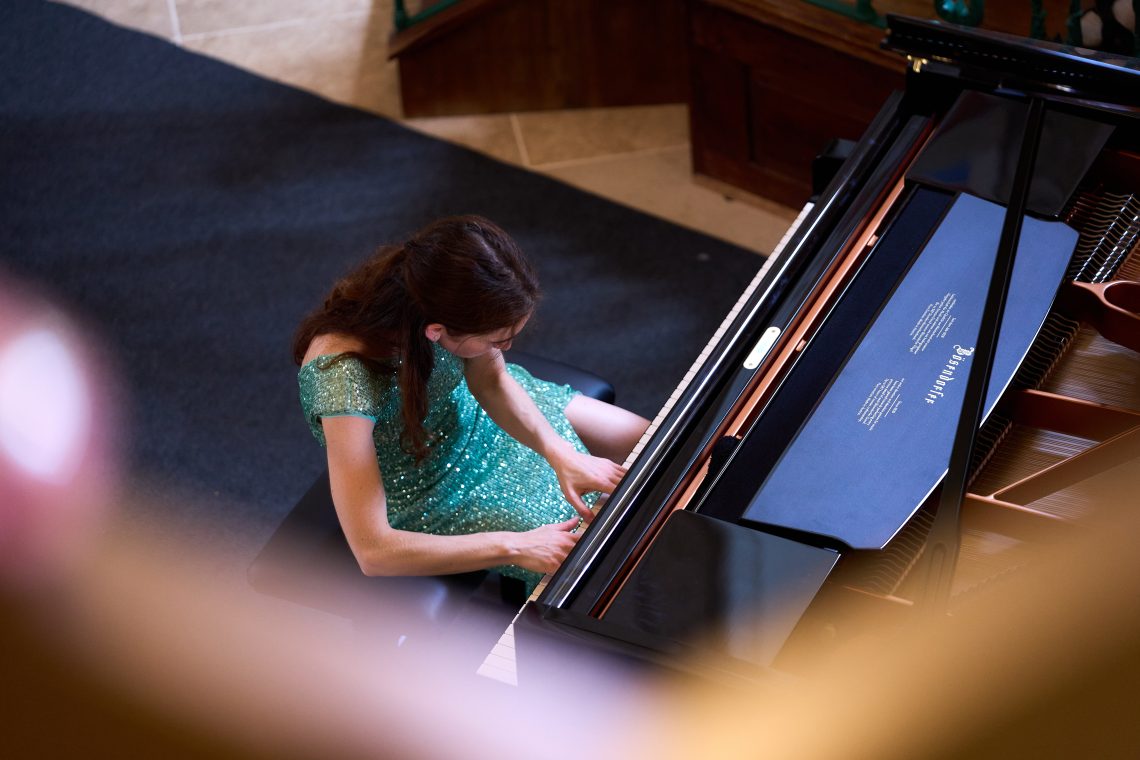
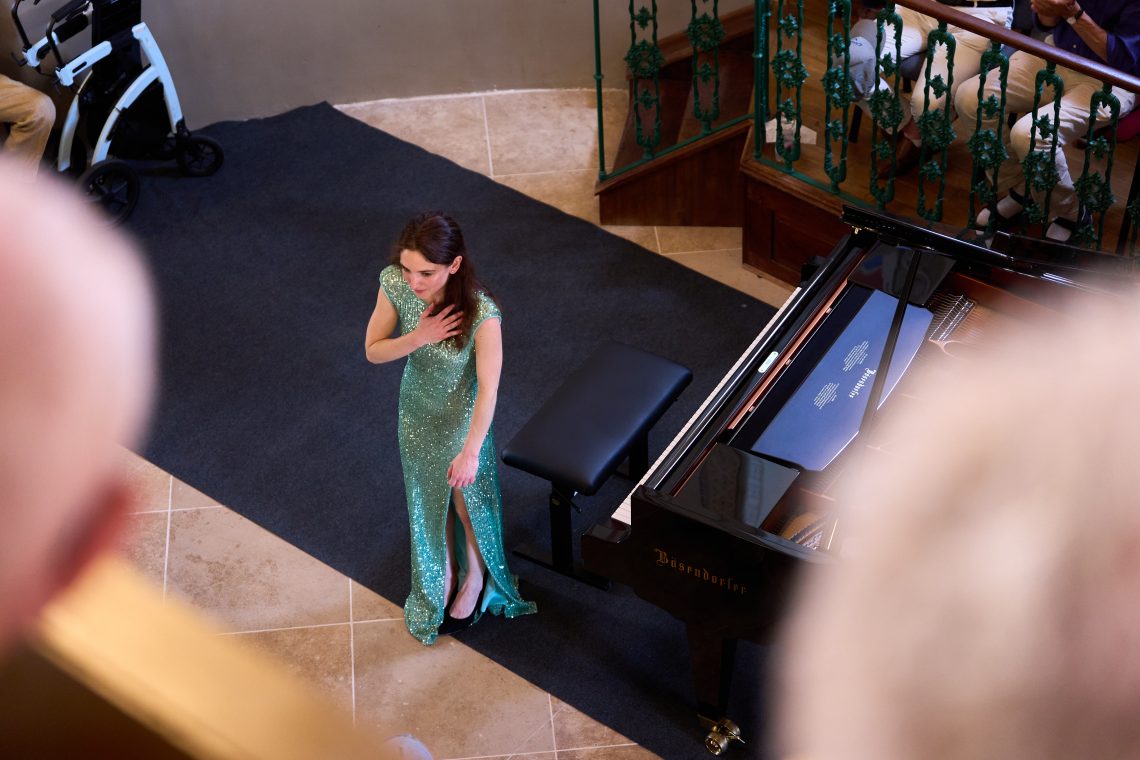
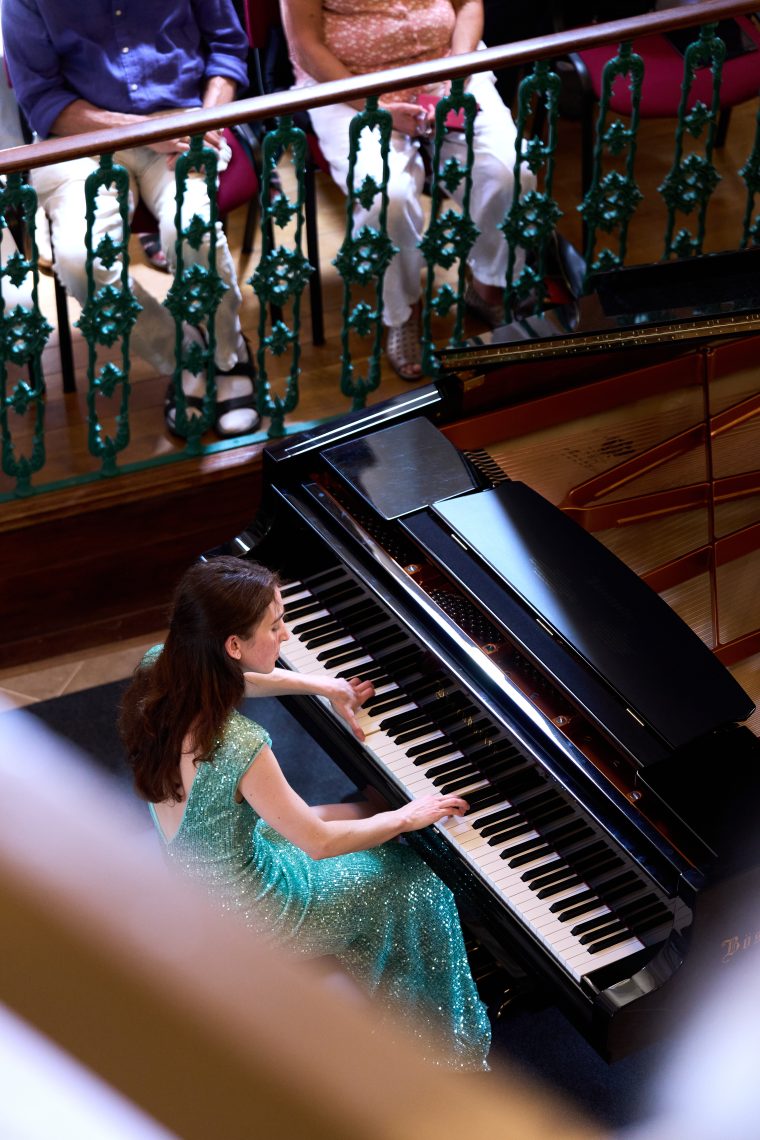
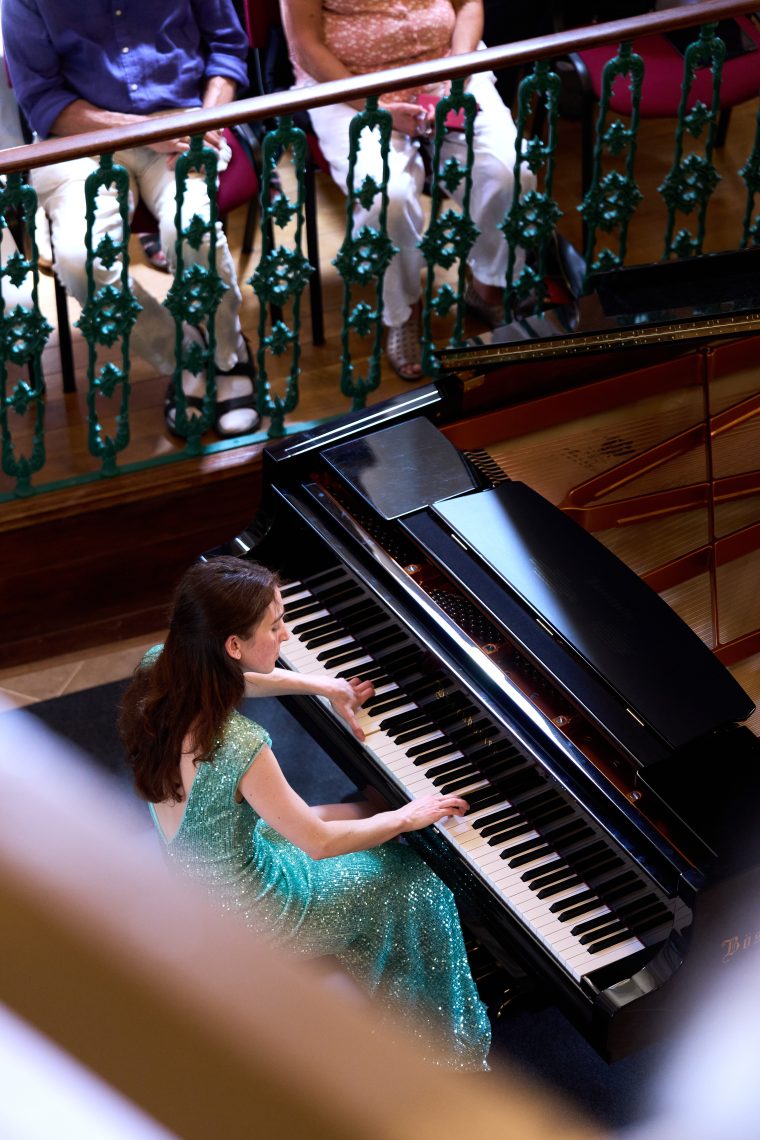
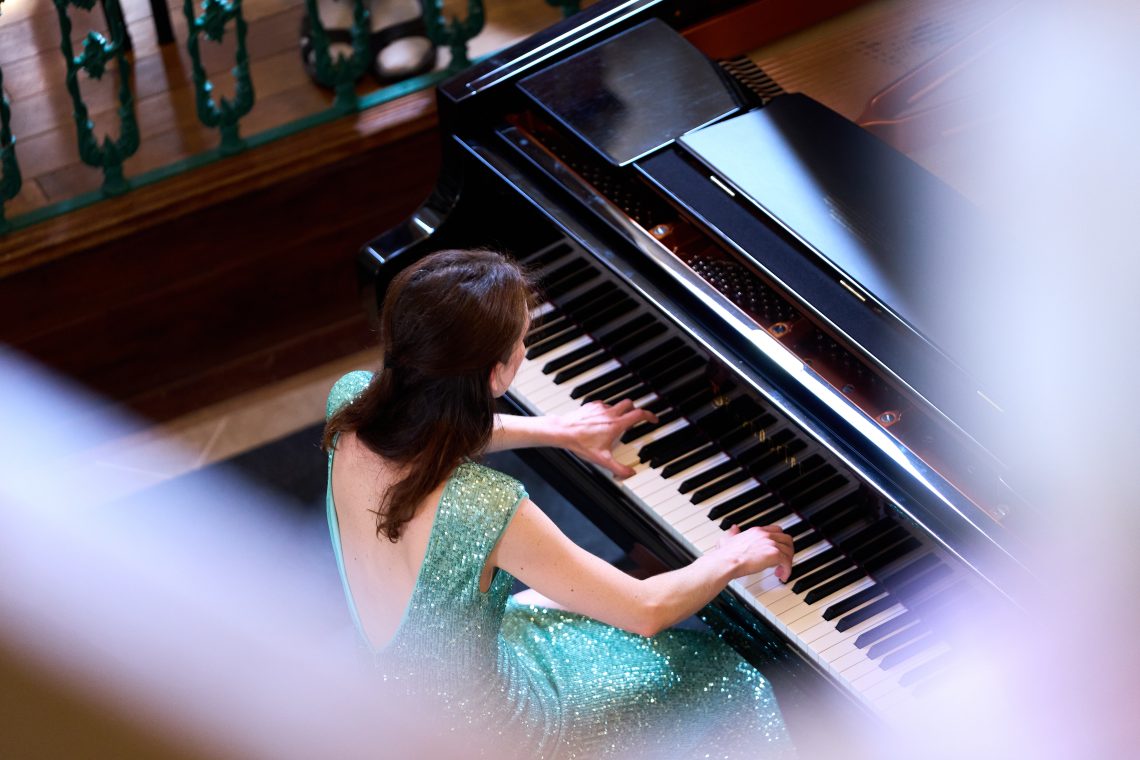
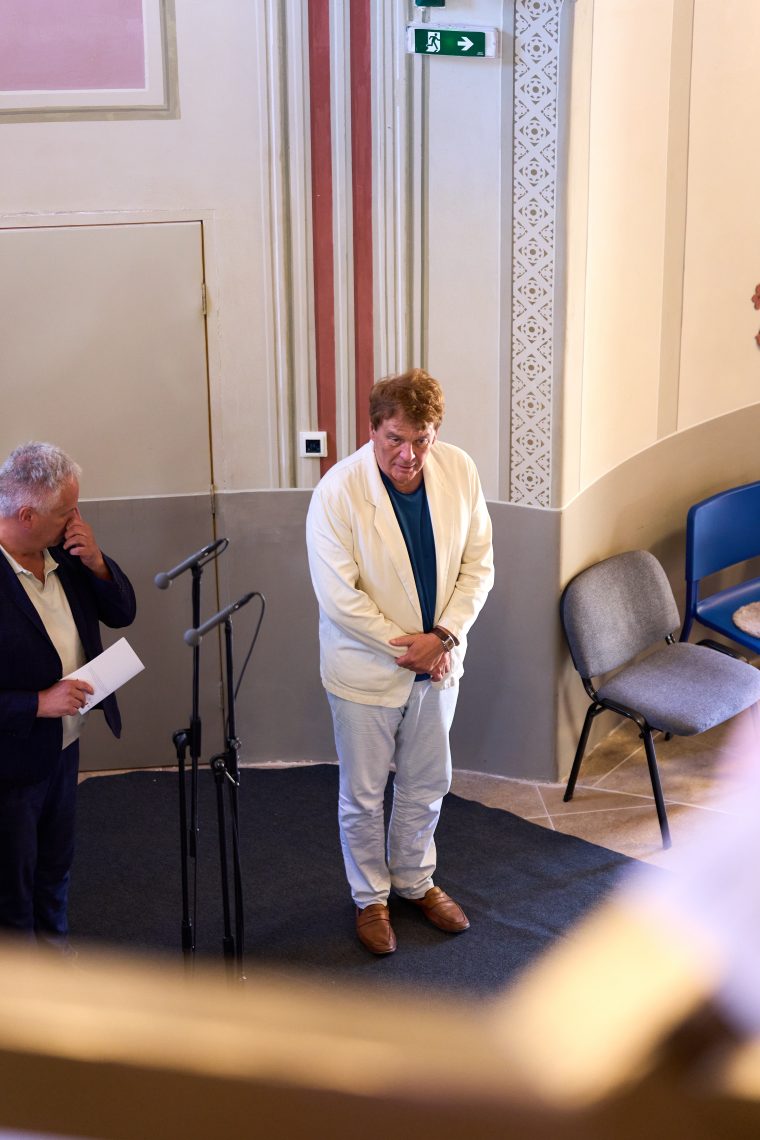
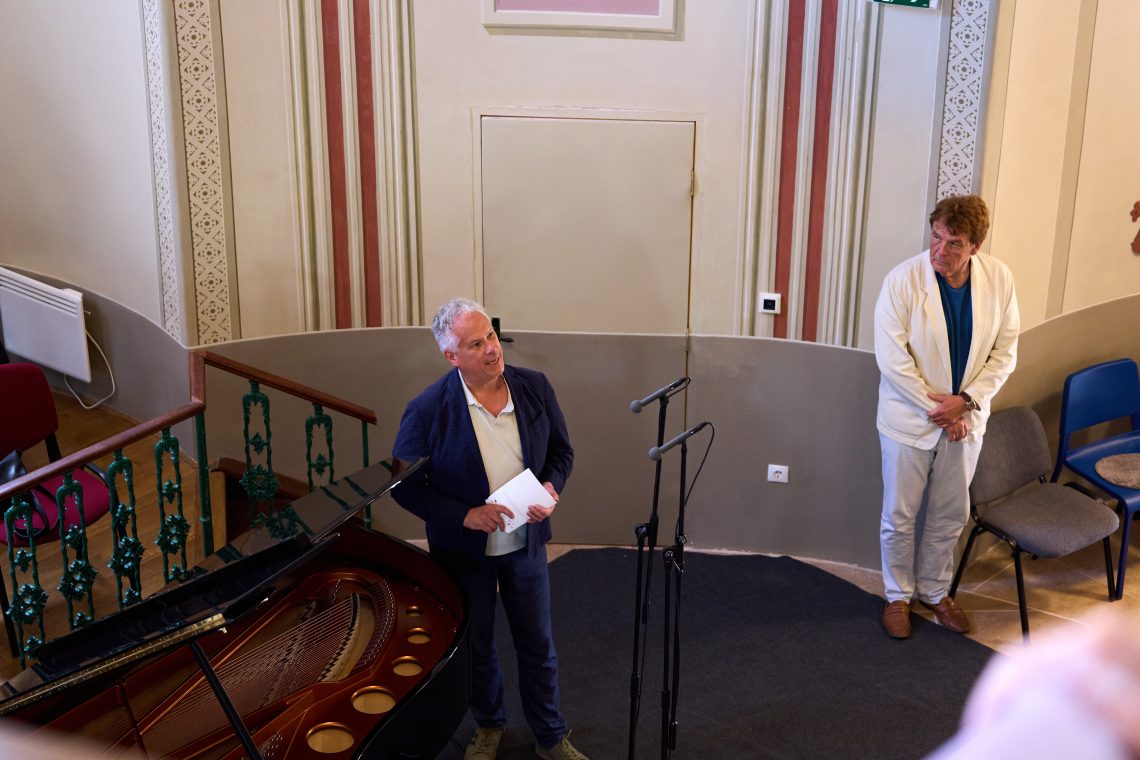
“A concert like this is not just art, but magic,” said one visitor. Around 80% of the audience came from Austria and Germany, proof of how internationally connected the region is. The evening was not just a concert, but a dialog in sound. The historic walls of the synagogue were filled to capacity, a sign of how much music still connects people today.
The pianist’s playing was not ornamental. It was a statement. But as much as one could analyze the evening musically – technically brilliant, interpretatively courageous – that would be too short-sighted. For the true power of the concert lay in the quiet combination of place, time and intention.
The Kőszeg Synagogue is no ordinary concert hall. It is a place that breathes. Once the spiritual center of a now lost community, then decades of silence and now, thanks to clever revitalization as part of the KRAFT program of iASK, a place of encounter. The program’s aim was not only to preserve the building, but also to redefine the space as a platform for interdisciplinary exchange.
Because what iASK has been pursuing for years – research into cultural heritage, social innovation, regional development – became visible on this afternoon not in lectures or project diagrams, but in the music that filled the room. Music that made audible how important it is not only to protect places with soul, but to use them.
Text by: Kovács-Csincsák Mercédesz